
Snoring isn’t just “background noise.” It can turn a full night in bed into a half-night of real sleep.
And lately, sleep hacks and gadgets are everywhere—some helpful, some risky, and some just good for internet jokes.
Here’s the simple truth: better sleep quality usually comes from safer basics first, then targeted tools (like an anti snoring mouthpiece) when they match your snoring pattern.
What people are trying right now (and why it’s a thing)
Sleep has become a mini culture war: wearables scoring your night, “biohacking” routines, and couples negotiating who gets the quiet side of the bed. Add business travel fatigue, time-zone whiplash, and workplace burnout, and it’s no surprise snoring solutions are trending.
One theme popping up in health coverage is seasonal sleep concerns. Colder months can mean more congestion, drier air, and disrupted breathing for some people. That helps explain why headlines about Why Doctors Say You Shouldn’t Tape Your Mouth Shut at Night get shared so widely.
The mouth-taping trend: why it keeps coming up
Another popular topic is mouth taping. It sounds simple, and that’s the appeal. But doctors have warned that taping your mouth shut can be a bad idea for many people, especially if your nose isn’t reliably clear.
If you wake up with panic-y breaths, feel like you can’t get air, or you’re congested often, don’t treat mouth taping as a harmless “sleep hack.” It may mask a bigger problem or make a rough night worse.
The “stay in bed longer” misconception
A different trend is the idea that more time in bed equals better rest. In reality, dragging out mornings can backfire if it turns into fragmented dozing and a groggy start. Sleep quality isn’t just quantity. It’s continuity.
What matters medically (without the fluff)
Snoring happens when airflow becomes turbulent and tissues in the upper airway vibrate. Sometimes it’s just positional or related to alcohol, congestion, or sleep deprivation.
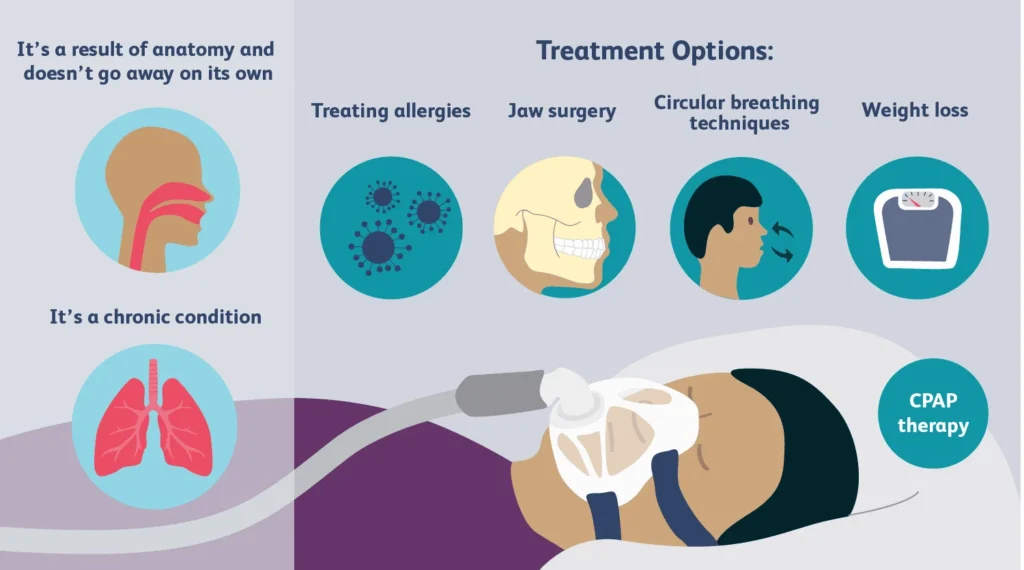
Other times, snoring is a sign of obstructive sleep apnea (OSA), where the airway partially or fully collapses during sleep. OSA is commonly discussed in medical explainers because it can affect energy, mood, and long-term health.
Clues your snoring may be more than “annoying”
- Pauses in breathing, choking, or gasping witnessed by a partner
- Morning headaches or dry mouth most days
- Excessive daytime sleepiness (not just “tired”)
- High blood pressure or heart risk factors alongside loud snoring
- Frequent nighttime bathroom trips or restless sleep
Snoring can also hit relationships. The jokes are real, but so is the impact: separate bedrooms, resentment, and both partners sleeping worse. Treat it like a shared problem to solve, not a character flaw.
What you can try at home (a realistic, low-drama plan)
Start with the easiest wins for sleep health. Then add a tool that matches the likely cause.
Step 1: Reduce the common triggers
- Side-sleeping: Back sleeping often makes snoring louder.
- Alcohol timing: If you drink, earlier is usually better for breathing stability.
- Nasal comfort: If you’re congested, focus on gentle nasal support (like humidifying your room) rather than forcing mouth closure.
- Consistent wake time: It can improve sleep drive and reduce “half-awake” nights.
Step 2: Use a targeted tool when the pattern fits
If your snoring seems position-related or tied to jaw/tongue posture, an anti snoring mouthpiece may be worth considering. Many designs aim to keep the lower jaw slightly forward, which can help keep the airway more open for some sleepers.
Some people also like added support that encourages closed-mouth breathing without tape. If you’re comparing options, you can look at an anti snoring mouthpiece as a bundled approach.
Step 3: Track results like a grown-up (not like a gadget addict)
You don’t need five apps. Use one simple method for two weeks:
- Ask your partner for a 1–10 snoring rating (or use a basic recorder a few nights).
- Log morning energy and headaches.
- Note mouthpiece comfort: jaw soreness, tooth pressure, or bite weirdness.
If the snoring drops but you still feel wrecked during the day, that’s a sign to look deeper than “noise control.”
When to stop DIY and get checked
Home experiments are fine for simple snoring. Don’t stretch them out for months if your body is waving red flags.
Get medical advice soon if you notice:
- Breathing pauses, choking, or gasping at night
- Severe daytime sleepiness (including drowsy driving risk)
- New or worsening symptoms in winter alongside heavy congestion
- High blood pressure plus loud, frequent snoring
- Jaw pain, tooth pain, or bite changes from any mouthpiece
Sleep studies (including home testing in some cases) can clarify whether you’re dealing with OSA and what options make sense. Treatment isn’t one-size-fits-all, and mouthpieces are only one lane.
Medical disclaimer: This article is for general education and does not replace medical or dental advice. If you suspect sleep apnea or have persistent snoring with daytime symptoms, talk with a qualified clinician for evaluation and personalized guidance.
FAQ: quick answers people want before bed
Is snoring worse when you’re overtired?
It can be. Sleep deprivation may reduce muscle tone and make breathing more collapsible in some people, which can intensify snoring.
Can travel make snoring flare up?
Yes. Different pillows, back-sleeping in unfamiliar beds, alcohol at odd times, and nasal dryness from flights can all contribute.
What if my partner says I snore but I feel “fine”?
Many people with disrupted breathing don’t notice it. If snoring is loud and frequent, it’s still worth screening for patterns like pauses or gasping.
CTA: pick a calmer next step
If you’re ready to move past random hacks and try a more structured approach, start with a tool designed for snoring—not a trend that forces your breathing.