
- Snoring is a sleep-quality problem and a relationship problem—treat both.
- Sleep gadgets are trending, but “viral” doesn’t mean “safe” or “effective.”
- An anti snoring mouthpiece can help when jaw/tongue position is part of the issue.
- Travel fatigue, burnout, and winter congestion can make snoring feel louder and more frequent.
- If you suspect sleep apnea, don’t DIY your way past it—get evaluated.
Overview: Why snoring feels louder lately
People are talking about sleep like it’s a performance metric. Wearables score you, apps judge you, and your partner gives you the only review that matters: “You kept me up.” When work stress runs high, small sleep disruptions hit harder.
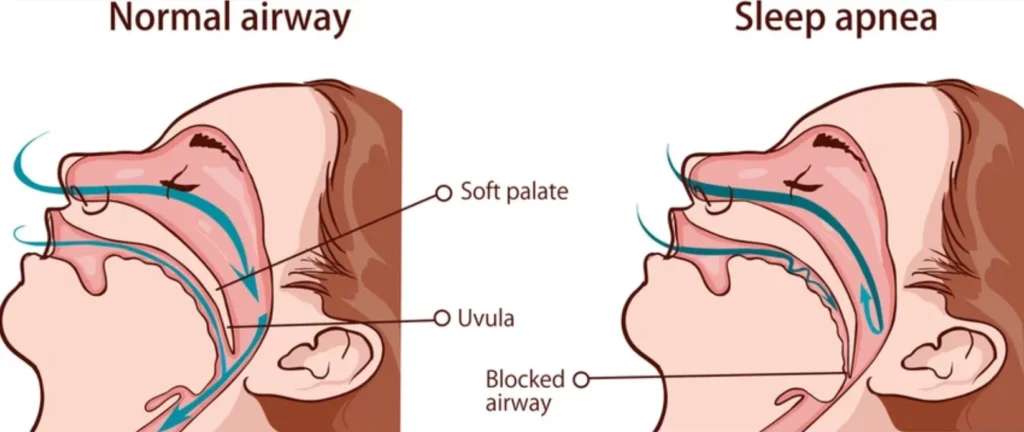
Recent headlines also reflect the same theme: researchers are still testing new anti-snoring devices, clinicians keep warning about winter-related breathing risks, and “quick hacks” like mouth taping are getting pushback. Translation: snoring is common, solutions vary, and not every trend is a good idea.
One more thing: snoring isn’t automatically dangerous, but it can be a clue. If there are breathing pauses or major daytime fatigue, treat it as a health signal, not just a noise complaint.
Timing: When to try a mouthpiece (and when to pause)
Good times to consider an anti-snoring mouthpiece
If snoring ramps up after travel, a stressful season, or a stretch of short sleep, a mouthpiece can be a practical next step. It’s also worth considering if your snoring is worse on your back or after alcohol, since airway collapse can be more likely then.
Many mouthpieces aim to support the jaw or reduce tongue-related obstruction. That’s why they often come up in “best of” lists and why new devices keep entering clinical trials.
Times to hit pause and get checked
Stop and talk to a clinician if you have loud snoring plus choking/gasping, witnessed breathing pauses, or heavy daytime sleepiness. Those can be signs of obstructive sleep apnea. Winter can add congestion and dry air into the mix, which may worsen symptoms for some people.
Supplies: What you need before night one
- Your mouthpiece type: boil-and-bite, adjustable, or custom-fit via a dental professional.
- A simple tracking note: 7 nights of “volume, wake-ups, morning jaw comfort.” Keep it quick.
- Water + a case: keep it clean and avoid “where did it go?” mornings.
- Optional: a chinstrap if mouth opening is part of your snoring pattern.
If you’re comparing options, you can also skim what researchers are exploring in an Saline nasal spray alone resolves sleep-disordered breathing in nearly one-third of children, study finds. It’s a useful reminder that “device design” matters.
Step-by-step (ICI): Implement, Check, Improve
1) Implement: Pick one change and commit for 7 nights
Don’t stack five sleep hacks at once. Choose the mouthpiece as the main variable. Keep bedtime and wake time as consistent as real life allows.
If you’re shopping, a combined setup can be appealing when mouth opening is part of the problem. Example: anti snoring mouthpiece.
2) Check: Judge it by sleep quality, not just noise
Your goal is fewer awakenings and less friction in the morning. Ask two questions: Did you sleep more continuously? Did your partner notice fewer disruptions?
Relationship tip: keep the feedback neutral. “I slept better” lands better than “You kept me up again.” It lowers pressure, which helps sleep too.
3) Improve: Adjust fit and comfort like you’re breaking in new shoes
Follow the manufacturer’s directions closely for molding or adjustment. If it’s boil-and-bite, take your time on the initial fit. A rushed mold often becomes a drawer item.
If you get jaw soreness, scale back and re-check alignment. Mild adaptation can happen, but sharp pain, tooth pain, or bite changes are reasons to stop and get professional advice.
Mistakes that waste money (and patience)
Chasing viral “sleep hacks” instead of basics
Mouth taping gets attention because it’s dramatic and cheap. It also gets warnings because it can be unsafe for people with nasal obstruction or possible sleep apnea. If you can’t breathe comfortably through your nose, forcing your mouth closed is not a smart experiment.
Expecting a mouthpiece to fix burnout
Workplace fatigue can make snoring feel like the main villain, but stress also fragments sleep on its own. A mouthpiece can reduce snoring-related disruption, yet you may still need a wind-down routine and realistic sleep time.
Ignoring nasal comfort
Some recent reporting highlights that simple measures like saline nasal spray may improve sleep-disordered breathing for a subset of children. Adults are different, and snoring has many causes, but the broader point stands: nasal comfort matters. If you’re constantly blocked up, address that piece too with a clinician’s guidance.
Not talking about it
Silence turns snoring into a nightly scorecard. A quick plan—“Let’s test one device for a week and reassess”—reduces resentment and keeps it practical.
FAQ: Quick answers people want before buying
Is an anti-snoring mouthpiece the same as a sleep apnea treatment?
No. Some oral appliances prescribed by clinicians are used for obstructive sleep apnea, but over-the-counter mouthpieces are not a substitute for diagnosis and medical management.
What if I snore only when I travel?
Travel fatigue, dry hotel air, alcohol, and back-sleeping can stack the deck. A mouthpiece can be a travel tool, but it’s still worth screening for apnea if symptoms are significant.
Can I use a mouthpiece if I have dental work?
It depends. Crowns, braces, TMJ issues, and gum disease can change what’s appropriate. When in doubt, ask a dental professional before using a device nightly.
CTA: Make it easier to sleep in the same bed again
Pick a realistic plan: one device, one week, simple tracking, and a calm debrief. That’s how you turn snoring from a nightly argument into a solvable problem.
How do anti-snoring mouthpieces work?
Medical disclaimer: This article is for general education only and is not medical advice. Snoring can be a sign of obstructive sleep apnea or other health conditions. If you have breathing pauses, gasping, significant daytime sleepiness, chest pain, or worsening symptoms, seek evaluation from a qualified clinician.