
On the last night of a work trip, “J” tried to be a considerate roommate. They downloaded a white-noise app, bought a trendy sleep gadget at the airport, and even joked about “sleep training” their own face. At 2:13 a.m., the snoring still cut through everything. The next morning, the group chat had the usual relationship humor: “We love you. Please stop sounding like a leaf blower.”
That’s where a lot of people are right now. Sleep hacks are everywhere, burnout is real, and nobody wants a complicated project at bedtime. If you’re looking at an anti snoring mouthpiece, this guide gives you a clear path—without risky shortcuts.
First: don’t confuse “snoring” with “safe to ignore”
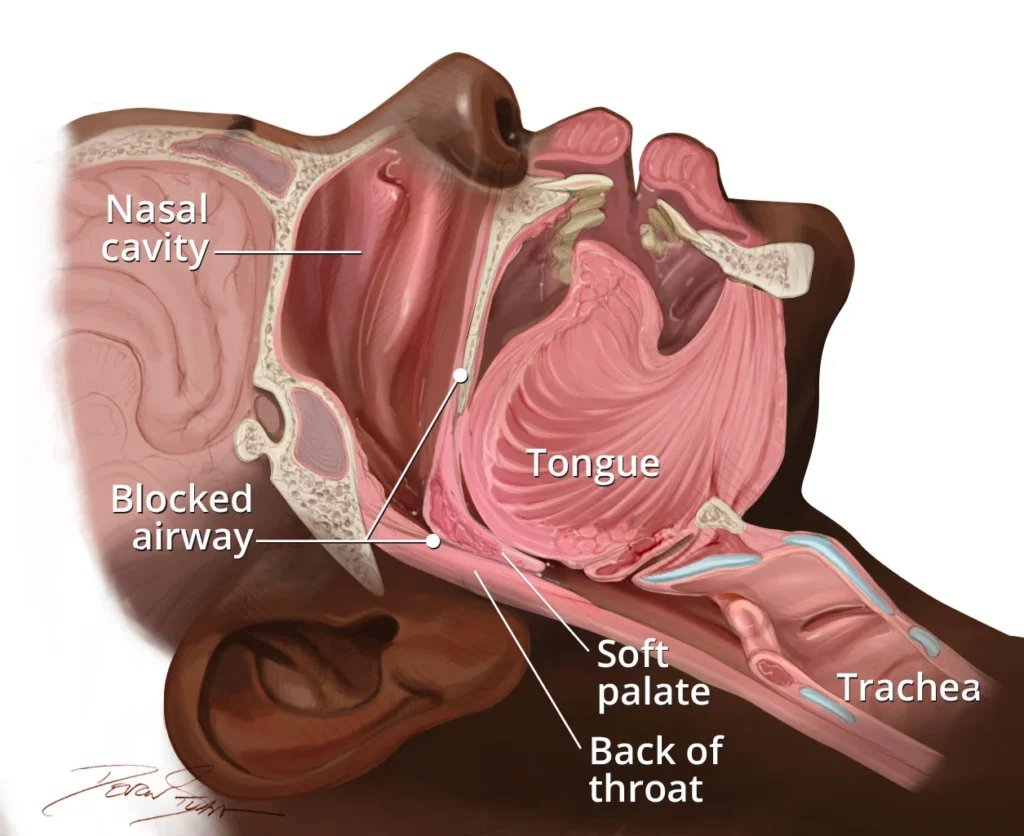
Snoring can be simple vibration from relaxed throat tissue. It can also be a sign of obstructed breathing during sleep. That’s why snoring products should come with a reality check.
One trend that keeps popping up is mouth taping. Some doctors have warned against taping your mouth shut at night, especially if you don’t know why you’re snoring. If you want a quick overview of that discussion, see this resource: Why Doctors Say You Shouldn’t Tape Your Mouth Shut at Night.
Your decision guide: If…then… pick the next step
Use these branches like a choose-your-own-adventure. You can move through them in two minutes.
If your partner says the snoring is worst on your back…then start with positioning
Back-sleeping often makes the tongue and soft tissues fall backward. Try side-sleep support (a body pillow, backpack trick, or a dedicated side-sleep aid). If it helps but doesn’t solve it, a mouthpiece may still be useful.
If snoring spikes after travel, late nights, or a drink…then treat it like “sleep debt” plus airway slack
Travel fatigue and irregular schedules can worsen snoring. Alcohol can relax airway muscles. In these cases, the fix may be less about buying another gadget and more about consistency: earlier wind-down, hydration, and nasal comfort.
Also, consider a simple rule from current sleep chatter: staying in bed longer doesn’t always mean better rest. A consistent wake time often beats “lingering” when you’re already awake.
If you wake with a dry mouth or sore throat…then check nasal breathing and room air first
Dry mouth often means you’re breathing through your mouth at night. Before you force anything shut, look at what’s driving it: congestion, allergies, or a dry bedroom. Nasal rinses (as directed on the product), humidity, and allergy management can help comfort.
If you snore most nights and it’s loud…then an anti snoring mouthpiece may be a strong next try
Many anti-snoring mouthpieces are mandibular advancement devices (MADs). They’re designed to bring the lower jaw slightly forward. That can create more space in the airway and reduce vibration.
For shoppers comparing options, reviews and roundups are everywhere right now. The important part is fit and follow-through. A “best” device that you can’t tolerate won’t improve sleep quality.
If you have choking, gasping, pauses in breathing, or heavy daytime sleepiness…then get evaluated for sleep apnea
These can be red flags for obstructive sleep apnea. A mouthpiece may still play a role for some people, but you should not self-manage severe symptoms. A clinician can guide testing and treatment choices.
Anti-snoring mouthpiece basics: comfort, positioning, cleanup (the ICI plan)
Think ICI: Incremental changes, Comfort first, and Impeccable cleanup. This is how you turn a mouthpiece from “drawer item” into a real sleep tool.
Incremental: adjust in small steps
If your device allows jaw advancement settings, start conservative. Give it a few nights before changing anything. Over-advancing too fast can cause jaw soreness and make you quit.
Comfort: solve the top three quit-reasons
- Gaggy feeling: practice wearing it for 10–20 minutes while reading or watching TV.
- Jaw ache: use a smaller advancement, and don’t clamp your teeth down.
- Drooling or dryness: this often improves as your mouth adapts; keep water nearby.
Positioning: pair the mouthpiece with a “quiet airway” setup
Stack small wins. Side-sleeping, a supportive pillow, and nasal comfort measures can make the mouthpiece feel easier and work better. If you grind your teeth, look for designs that feel stable and don’t create pressure points.
Cleanup: keep it simple so you stay consistent
Rinse after use, brush gently with mild soap (unless the manufacturer says otherwise), and let it dry fully. A clean device tends to smell better and feel better, which matters at 11 p.m.
Choosing a mouthpiece without overthinking it
If you want a straightforward option to consider, look at an anti snoring mouthpiece. Combos like this appeal to people who want help keeping the jaw and mouth in a stable position through the night.
Pick the product you’ll actually wear. Prioritize comfort, adjustability, and clear instructions. Then give it a fair trial over multiple nights, not just one.
FAQ: quick answers people ask at 1 a.m.
Is snoring always a health problem?
Not always. Still, persistent snoring can signal airway obstruction, so it’s worth paying attention—especially if sleep quality is poor.
Will a mouthpiece fix my sleep quality?
It can help if snoring is fragmenting sleep for you or your partner. Sleep quality also depends on schedule, stress, caffeine/alcohol timing, and bedroom setup.
Can I use a mouthpiece if I have dental work?
It depends. If you have crowns, braces, implants, or TMJ issues, ask a dentist or clinician before starting.
Next step: get to “quiet enough” and protect your sleep
You don’t need a dozen gadgets to sleep better. Start with the branch that matches your situation, build comfort, and track whether mornings feel easier.
How do anti-snoring mouthpieces work?
Medical disclaimer: This article is for general education and does not provide medical advice, diagnosis, or treatment. If you suspect sleep apnea or have severe symptoms (gasping, breathing pauses, marked daytime sleepiness), talk with a qualified healthcare professional.