
- Snoring is a sleep-quality problem, not just a punchline.
- Gadgets are trending, but the safest wins are usually boring: fit, position, and routine.
- Mouth taping is getting pushback from clinicians for good reasons.
- An anti snoring mouthpiece can help when snoring is driven by jaw/tongue position.
- Think “ICI”: Improve airflow, Create space, and keep it Irritation-free with cleanup.
Overview: why snoring is having a moment
Sleep is everywhere right now. People compare sleep scores like step counts. Travel fatigue is back in full force, and workplace burnout makes every bad night feel louder.
Snoring also has a relationship angle. It’s the classic “I love you, but please stop sounding like a leaf blower” problem. The good news: you can often reduce snoring with simple changes and the right tool.
One trend worth noting is the renewed interest in basic airway comfort. For example, headlines have highlighted research discussions around saline nasal spray improving sleep-disordered breathing in some children. That doesn’t mean it’s a universal fix, but it reinforces a theme: airflow matters.
Snoring vs. sleep apnea (quick clarity)
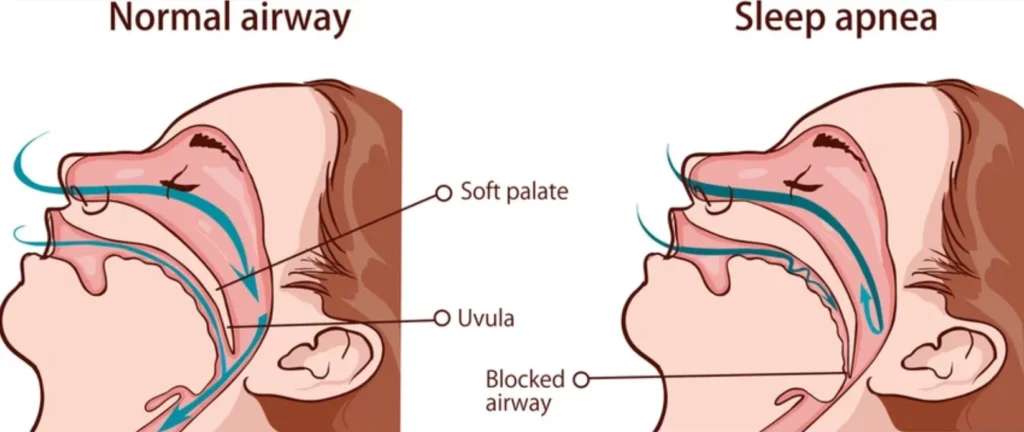
Snoring can be harmless, or it can be a sign of obstructed breathing during sleep. Sleep apnea is a medical condition where breathing repeatedly pauses or becomes shallow. If you have red flags (listed below), treat it as a health issue, not a DIY project.
Timing: when to test changes for the cleanest signal
If you try five “sleep hacks” in one week, you won’t know what worked. Pick a two-week window and change one main variable at a time.
Also, don’t judge your sleep by how long you stay in bed. Recent sleep conversations have emphasized that lingering in bed can backfire for some people. Aim for a consistent wake time and a wind-down routine that doesn’t turn bedtime into a second job.
Best times to try an anti snoring mouthpiece
- After travel, once you’re back to a normal schedule (jet lag can mimic “bad sleep” on its own).
- After congestion improves (or you’ve addressed it), so you’re not forcing mouth-breathing.
- When your partner can give feedback for a few nights. Real-world data beats a single sleep score.
Supplies: a simple anti-snore setup (no gadget pile)
- Anti snoring mouthpiece (the right style for your comfort and goals).
- Mirror + good light for fit checks.
- Soft toothbrush and mild soap or cleaner made for oral appliances.
- Storage case that vents (drying matters).
- Optional: saline rinse/spray if you get stuffy (especially during dry seasons or hotel stays).
If you want an example of a combined approach, here’s a product option to compare: anti snoring mouthpiece.
Step-by-step (ICI): a routine that prioritizes comfort and results
ICI is a simple way to think about snoring tools and technique: Improve airflow, Create space, and keep it Irritation-free.
I — Improve airflow (before you even insert anything)
Start with the basics. If your nose is blocked, you’ll default to mouth-breathing, which can worsen snoring for many people.
- Do a quick nasal check: can you breathe through both sides comfortably?
- Keep the room slightly cool and not overly dry.
- If dryness or congestion is common for you, consider simple saline as part of your routine. For a related news reference, see: Saline nasal spray alone resolves sleep-disordered breathing in nearly one-third of children, study finds.
C — Create space (what a mouthpiece is trying to do)
An anti snoring mouthpiece typically aims to keep the airway more open by changing jaw or tongue position. That can reduce vibration in the soft tissues that creates the snoring sound.
Fit matters more than hype. A mouthpiece that’s “powerful” but uncomfortable won’t get used. Consistency beats intensity.
I — Irritation-free (positioning, comfort, and cleanup)
- Start gradual: wear it for short periods before sleep for a couple of nights if you’re sensitive.
- Check pressure points: you want secure, not painful. Hot spots often predict quitting.
- Side-sleep support: a pillow that keeps your head and neck neutral can reduce collapse and noise.
- Clean nightly: brush gently, rinse well, and let it dry in a vented case.
Mistakes people keep making (because the internet is loud)
1) Treating mouth tape like a harmless shortcut
Mouth taping has been trending, but many doctors caution against it. If your nose blocks at night, taping can make breathing harder. It can also mask bigger issues like sleep apnea.
2) Chasing “more time in bed” instead of better sleep
If you wake up unrefreshed, staying in bed longer can turn into fragmented, low-quality sleep. A steady wake time and a calmer wind-down often help more than “sleeping in.”
3) Ignoring the heart-and-health angle
Snoring can be a nuisance, but it can also be a clue. Sleep apnea has been widely discussed in connection with cardiovascular strain. You don’t need to panic, but you should take symptoms seriously.
4) Skipping the comfort checklist
Jaw soreness, tooth pressure, and dry mouth are common reasons people abandon a mouthpiece. Most of that comes down to fit, airflow, and cleaning habits.
FAQ (quick answers)
Can an anti snoring mouthpiece help with sleep apnea?
It may reduce snoring for some people, but sleep apnea needs medical evaluation. If you suspect apnea, get assessed rather than self-treating.
Is mouth taping safe for snoring?
Many clinicians warn against it, especially if you have nasal blockage or possible sleep apnea. It can make breathing harder at night.
How long does it take to get used to a mouthpiece?
Many people adapt over several nights to a couple of weeks. Start gradually and focus on fit, jaw comfort, and consistent cleaning.
What if my mouthpiece makes my jaw sore?
Mild soreness can happen early on, but sharp pain or persistent jaw symptoms are a stop sign. Consider adjusting fit or switching styles and consult a dentist if it continues.
Do nasal sprays help snoring?
If congestion is part of the problem, nasal hygiene may help. Some research discussions suggest simple saline can improve breathing in certain cases, especially in kids, but results vary.
When should I talk to a doctor about snoring?
If you have choking/gasping, witnessed pauses, severe daytime sleepiness, high blood pressure, or morning headaches, get checked for sleep apnea.
CTA: pick one change tonight, then stack wins
If your snoring seems position-related and your goal is quieter, more stable sleep, an anti snoring mouthpiece can be a practical next step. Keep it simple: airflow first, comfortable fit second, and consistent cleanup always.
How do anti-snoring mouthpieces work?
Medical disclaimer: This article is for general education only and isn’t medical advice. Snoring can be a sign of sleep apnea or other health conditions. If you have concerning symptoms (gasping, pauses in breathing, chest pain, severe daytime sleepiness, or high blood pressure), seek evaluation from a qualified clinician.