
Before you try another sleep gadget, run this quick checklist:
- Is it “just snoring,” or are there red flags? Pauses in breathing, gasping, or heavy daytime sleepiness need medical attention.
- Did it get worse recently? Winter congestion, dry air, weight changes, alcohol, and stress can all turn up the volume.
- Is the goal quieter nights or better sleep quality? They’re related, but not identical. You want both.
- Are you and your partner on the same team? A plan beats a midnight argument.
The big picture: why snoring is trending again
Snoring is having a moment, and not because it’s funny. Sleep tracking rings, smart mattresses, and “sleep optimization” content keep reminding people that restless nights show up everywhere: mood, focus, workouts, and patience.
Seasonal conversations are also fueling it. In colder months, people deal with more nasal stuffiness and indoor air dryness. That can make snoring more noticeable, and it can also bring renewed attention to sleep apnea risk in general. If you’ve seen recent chatter about winter-related sleep breathing concerns, you’re not imagining it.
Researchers are also testing new anti-snoring approaches in clinical settings, which keeps the topic in headlines. Translation: people want solutions that feel less like a “hack” and more like something you can actually stick with.
The emotional part nobody wants to admit
Snoring can feel like a relationship tax. One person feels blamed. The other feels trapped between exhaustion and guilt for being annoyed. Add workplace burnout and travel fatigue, and the bedroom can start to feel like another performance arena instead of a recovery zone.
Try reframing it: snoring is a shared sleep quality problem. That small shift changes the tone of the conversation. It turns “you need to fix this” into “let’s protect our sleep.”
If humor helps, use it. A light joke can open the door. Still, follow it with a real plan and a timeline so it doesn’t become another unresolved bedtime debate.
Practical steps that help before (and alongside) a mouthpiece
Snoring usually has more than one driver. You’ll get better results when you stack a few basics instead of betting on a single trick.
1) Run a two-night reset
Pick two nights where you avoid alcohol close to bedtime, keep a consistent sleep window, and skip heavy late meals. If snoring drops, that’s useful data. It suggests lifestyle and timing are amplifying the problem.
2) Adjust position with intent
Back-sleeping often makes snoring louder for many people. Side-sleeping can help, but only if it’s comfortable enough to maintain. Use pillows to support your hips and shoulders so you don’t roll back over.
3) Support nasal breathing (without going extreme)
Dry rooms and congestion can push you toward mouth breathing. Consider humidity, a warm shower before bed, or gentle nasal care that you tolerate well. If you can’t breathe through your nose, forcing a mouth-closed solution can backfire.
4) Use sleep data, but don’t worship it
Wearables can be motivating, yet they can also trigger “orthosomnia” (stress about perfect sleep). Focus on trends: fewer wake-ups, better morning energy, and fewer complaints from your partner.
Where an anti snoring mouthpiece fits (and what it actually does)
An anti snoring mouthpiece is often used when snoring seems tied to airway narrowing during sleep. Many designs aim to keep the airway more open by positioning the lower jaw or stabilizing the tongue. That can reduce vibration in the throat tissues that creates the snoring sound.
It’s not a magic cure. It is a practical tool that can be easier to travel with than bulky gear, which matters if you’re already depleted from work trips or long commutes. The best use case is simple: you want something you can try consistently for a few weeks, then judge with real feedback.
If you’re comparing styles and comfort features, start here: anti snoring mouthpiece.
How to set yourself up for a fair trial
- Give it time: comfort and saliva changes are common early on. Track a week, not one night.
- Prioritize fit: discomfort leads to quitting. A “good enough” fit that you’ll wear beats a perfect device you hate.
- Watch your jaw: soreness, bite changes, or headaches are signals to reassess and possibly stop.
- Measure the outcome: partner reports, fewer awakenings, and better morning energy matter more than a single snore score.
Safety and testing: when to stop DIY and get checked
Snoring can be harmless, but it can also be a sign of a sleep-related breathing disorder. Some medical sources highlight symptoms and causes of sleep apnea and emphasize evaluation when warning signs show up.
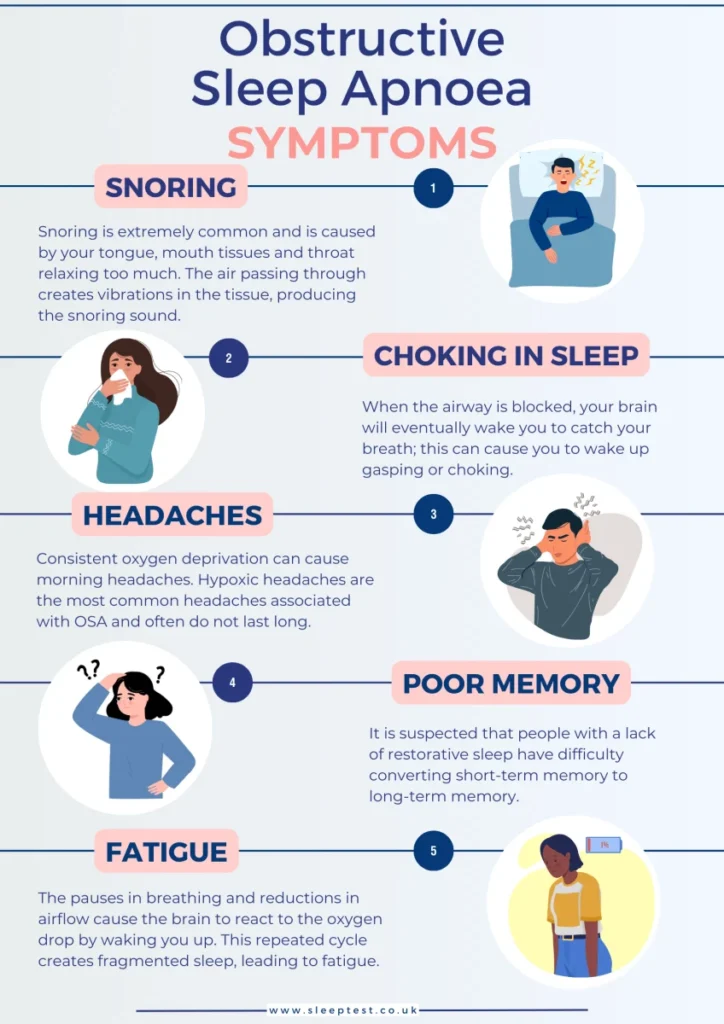
Pay attention if you notice loud snoring plus choking/gasping, witnessed pauses in breathing, morning headaches, high daytime sleepiness, or high blood pressure concerns. Winter can add congestion and make symptoms feel worse, which is one reason seasonal warnings circulate.
If you want a quick scan of the winter-related discussion that’s been making the rounds, see this: Doctor warns of winter sleep apnea risks.
Medical disclaimer: This article is for general education and isn’t medical advice. It doesn’t diagnose or treat any condition. If you suspect sleep apnea or have severe symptoms, talk with a qualified clinician or a dentist trained in sleep-related breathing issues.
FAQ: quick answers people ask at 2 a.m.
Will a mouthpiece fix snoring caused by a cold?
It might help some, but congestion can overwhelm any device. Focus on breathing comfort first, then retest when you’re less stuffed up.
What if my snoring is worse after late-night scrolling?
Sleep timing and stress can worsen sleep quality, which can amplify snoring. Try a short wind-down routine and keep the mouthpiece trial consistent.
Can I use an anti-snoring mouthpiece if I grind my teeth?
Sometimes, but it depends on the design and your bite. Grinding can increase jaw soreness. A dentist can help you choose safely.
CTA: make it a shared plan, not a blame game
If snoring is disrupting your sleep quality, pick a two-week experiment: basics first (position, timing, nasal comfort), then add a mouthpiece trial and track results together.