
Snoring isn’t just “a funny noise.” It’s a sleep quality problem that can spill into your mood, focus, and relationships.
And lately, it’s popping up everywhere—sleep gadgets on social feeds, travel-fatigue rants, and the classic “my partner is a chainsaw” joke.
Thesis: If snoring is wrecking sleep, an anti snoring mouthpiece can be a practical option—but only after you screen for safety and the real cause.
The big picture: why snoring is getting so much attention
People are talking about sleep like it’s a performance metric. Wearables score it. Apps gamify it. Employers quietly notice when burnout shows up as brain fog.
Snoring sits right in the middle of that trend because it’s both common and disruptive. One person loses sleep from the noise. The snorer may lose sleep from fragmented breathing.
What’s driving the current buzz
- New devices and trials: Headlines keep teasing “innovative” anti-snoring tech, which makes people wonder what’s legit versus hype.
- DIY sleep hacks: Mouth taping is having a moment online, while doctors warn it isn’t a one-size-fits-all fix.
- More awareness of sleep apnea: More people now recognize that snoring can be a symptom—not the whole story.
The emotional side: it’s not just noise, it’s pressure
Snoring can turn bedtime into negotiation. Some couples rotate rooms. Others “joke” about it until resentment builds.
Travel makes it worse. Dry hotel air, odd pillows, and fatigue can amplify snoring. Then you’re back at work running on fumes, with zero patience for meetings.
If this sounds familiar, you’re not failing. You’re dealing with a fixable sleep friction point.
Practical steps: a no-drama path to better sleep
Start with the basics before you buy another gadget. Small changes can stack into real improvement.
Step 1: notice your pattern (2 minutes, no spreadsheet)
- Is snoring worse on your back?
- Does it spike after alcohol or late meals?
- Do you wake with dry mouth, headaches, or a sore throat?
A quick phone recording can help. It also gives you something concrete to share with a clinician if needed.
Step 2: clear the “simple airflow” issues
Nasal congestion can make snoring louder. Some recent reporting has highlighted research where saline nasal spray improved sleep-disordered breathing for a portion of children. That doesn’t mean it’s a universal fix, and adults are different. Still, it’s a reminder that basic nasal comfort matters.
If you want to read more context, see this related coverage: Saline nasal spray alone resolves sleep-disordered breathing in nearly one-third of children, study finds.
Step 3: consider an anti snoring mouthpiece (when it fits the problem)
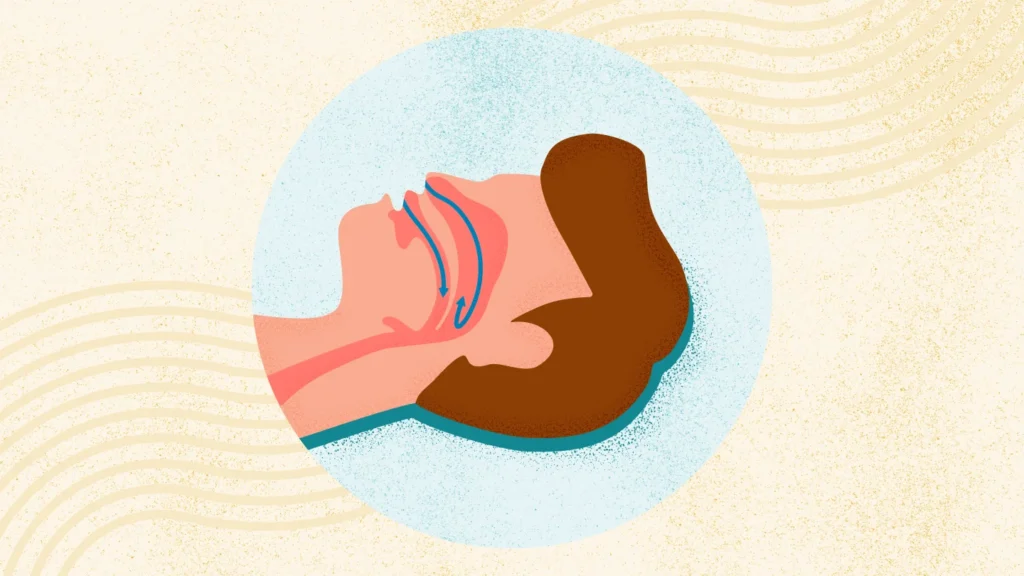
An anti snoring mouthpiece typically aims to reduce snoring by improving airflow during sleep. Many designs do this by guiding the lower jaw forward or stabilizing mouth position.
This can be useful when snoring is tied to how your jaw and soft tissues relax at night. It’s less likely to help if the main driver is severe nasal blockage or untreated sleep apnea.
Step 4: choose a setup you’ll actually use
Consistency beats perfection. If you rip a device out at 2 a.m., it won’t matter how “advanced” it is.
Some people prefer a combo approach that supports both mouth and jaw position. If you’re comparing options, here’s a relevant product-style example: anti snoring mouthpiece.
Safety and screening: protect your health (and document your choice)
Snoring overlaps with medical issues, so safety matters. This is where you reduce risk and avoid chasing the wrong fix.
Don’t treat mouth taping like a harmless shortcut
Doctors have been publicly cautioning people about taping their mouths shut at night. The concern is simple: if your nose isn’t clear, or if you have unrecognized sleep apnea, restricting mouth breathing can create problems. It can also cause anxiety or panic if you wake up struggling to breathe.
If you’re tempted by mouth tape, pause and assess your nasal breathing first. If it’s unreliable, skip the tape and consider safer routes.
Know the red flags that need a clinician
- Choking, gasping, or pauses in breathing during sleep
- Extreme daytime sleepiness, drowsy driving, or morning headaches
- High blood pressure or heart concerns alongside loud snoring
- Snoring in children (always worth pediatric evaluation)
These can point toward sleep apnea or another sleep-breathing disorder. A mouthpiece may still play a role, but you’ll want the right diagnosis first.
Fit and comfort rules (to avoid jaw trouble)
- Stop if you get sharp pain, jaw locking, or worsening tooth pain.
- Expect mild adjustment at first, but not escalating discomfort.
- Keep notes: start date, comfort level, snoring feedback, and daytime energy.
That quick “sleep log” helps you make a defensible decision. It’s also useful if you later talk with a dentist or sleep specialist.
FAQ: quick answers people want right now
Do anti-snoring mouthpieces work for everyone?
No. They can help some snorers, but results depend on what’s causing the snoring and whether the device fits comfortably.
Is snoring always sleep apnea?
No, but it can be. If you have pauses in breathing, gasping, or major daytime sleepiness, get screened.
Is mouth taping safe?
It’s not a universally safe hack. If nasal breathing is limited or sleep apnea is possible, taping can be risky.
How long until a mouthpiece helps?
Some people notice changes quickly. Others need a week or two to adapt and to judge results fairly.
Can I use one if I have TMJ?
Use caution. Jaw issues can flare with oral devices, so it’s smart to consult a dental professional first.
CTA: make the next step simple
If snoring is stealing sleep from you (or your partner), start with screening and a plan you can stick to. When it makes sense, an anti snoring mouthpiece can be a straightforward tool—not a gimmick.
How do anti-snoring mouthpieces work?
Medical disclaimer: This article is for general education only and is not medical advice. Snoring can be a symptom of sleep apnea or other conditions. If you have breathing pauses, gasping, severe daytime sleepiness, chest pain, or concerns about a child’s snoring, seek evaluation from a qualified clinician.