
Before you try an anti snoring mouthpiece, run this quick checklist:
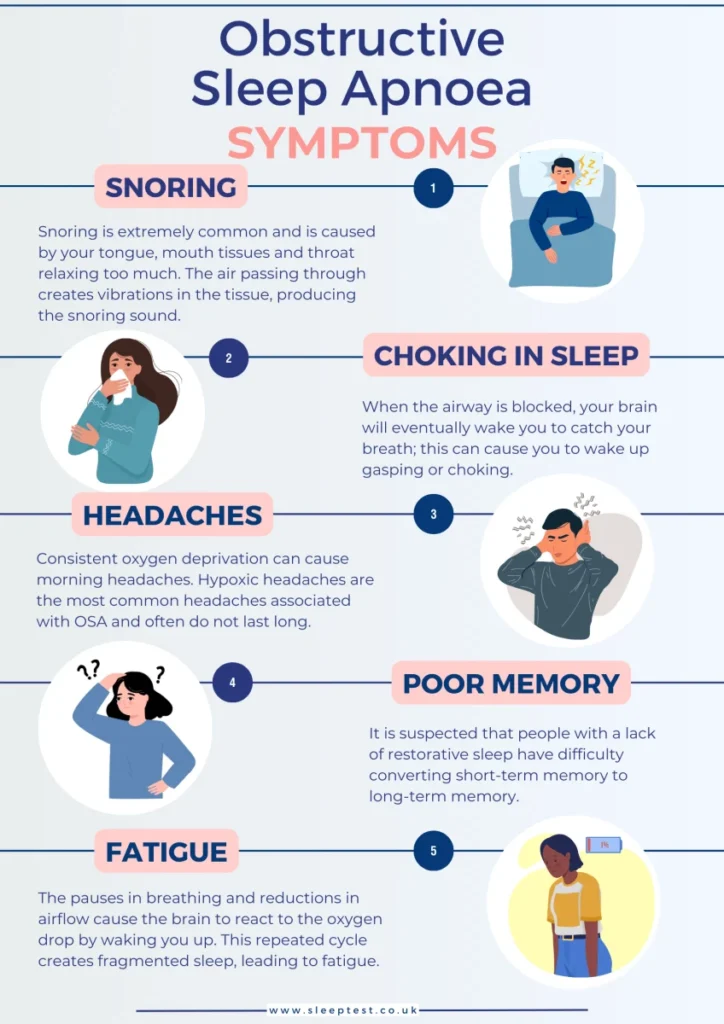
- Is it snoring… or possible sleep apnea? Breathing pauses, choking/gasping, or severe daytime sleepiness need medical attention.
- Is your nose blocked? Congestion can make any mouthpiece feel less helpful.
- Did your routine change? Travel fatigue, late meals, alcohol, and burnout-level stress can spike snoring.
- Is your partner losing sleep too? Relationship jokes about “separate bedrooms” land differently at 2 a.m.
People are talking about sleep health everywhere right now—new sleep gadgets, clinical studies testing fresh anti-snoring tech, and seasonal reminders that winter nights can worsen breathing issues for some. That buzz is useful, but your decision still comes down to a few practical “if/then” checks.
If/then decision guide: what to try next
If you have red-flag symptoms, then don’t self-treat first
If your snoring comes with witnessed breathing pauses, gasping, morning headaches, or you’re fighting to stay awake during the day, treat it as a health issue, not just a noise issue. Mouthpieces can help snoring, but sleep apnea needs proper screening and a plan that matches your risk.
Seasonal coverage has also highlighted that colder months can be a tricky time for sleep-disordered breathing. If winter dryness or congestion is part of your story, it’s another reason to be cautious and get guidance.
For a general reference point on the seasonal conversation, see this Doctor warns of winter sleep apnea risks.
If your snoring is position- or jaw-related, then a mandibular advancement style may fit
If you snore more on your back, after a long workweek, or after a few drinks, you may be dealing with airway narrowing that’s sensitive to posture and jaw position. That’s the situation many mandibular advancement devices (MADs) aim to address. They gently move the lower jaw forward to help keep the airway more open.
Recent reviews and roundups have kept MAD-style mouthpieces in the spotlight. You’ll also see ongoing research interest in new anti-snoring devices, which reflects how common sleep disruption has become.
If you wake with a dry mouth, then look at mouth breathing and nasal flow first
Dry mouth often means you’re breathing through your mouth at night. A mouthpiece may still help, but it won’t magically fix nasal blockage. If your nose is stuffy from allergies, winter dryness, or a lingering cold from that work trip, address airflow basics too.
Think of it like upgrading a phone charger while the outlet is loose. You can do it, but you’ll get better results when both pieces cooperate.
If you have jaw clicking, dental work, or gum issues, then choose fit and adjustability carefully
Mouthpieces can cause temporary soreness while you adapt. That’s common. Ongoing jaw pain, tooth pain, or bite changes are not “powering through” moments.
If you have TMJ symptoms, crowns, implants, or significant dental sensitivity, consider talking with a dental professional before using any device. Comfort and stability matter more than hype.
If travel and burnout are your triggers, then prioritize consistency over “more gadgets”
Snoring often ramps up when sleep timing is chaotic. Red-eye flights, hotel pillows, and late-night emails can do that. Even the best sleep gadget can’t fully compensate for a wrecked schedule.
If your week looks like “sleep debt Monday through Friday, recovery weekend,” start with a realistic baseline: consistent bedtime, fewer late drinks, and a mouthpiece you’ll actually use. The best device is the one that stays in the routine.
What to expect from an anti snoring mouthpiece (without the hype)
An anti snoring mouthpiece typically aims to reduce vibration and airway narrowing by repositioning the jaw or stabilizing the tongue. Many people notice improvement within days, but it can take a couple of weeks to find the right feel.
Plan for an adjustment period. Mild drooling, pressure on teeth, or jaw tightness can happen early on. If symptoms persist or intensify, stop and get clinical guidance.
How to pick one quickly (and avoid common mistakes)
- Start with comfort: If it feels bulky, you’ll “forget” to wear it.
- Prefer adjustability when possible: Small changes can make a big difference.
- Check cleaning and durability: If upkeep is annoying, compliance drops.
- Set a simple trial window: Track 10–14 nights. Note snoring volume, awakenings, and daytime energy.
If you’re comparing options, this page on anti snoring mouthpiece can help you narrow down styles and features.
FAQ: fast answers people are asking this year
Do mouthpieces help sleep quality?
They can. Less snoring often means fewer micro-awakenings for you and fewer wake-ups for your partner. Sleep quality still depends on schedule, stress, and breathing health.
Are online “clinical analysis” reviews enough to decide?
Use them as a starting point. Fit, dental history, and symptoms matter. If you suspect apnea, prioritize medical evaluation over reviews.
What’s a realistic goal?
Quieter nights, fewer awakenings, and better morning energy. “Perfect silence forever” is not the only measure of success.
Next step: get a cleaner yes/no in one week
Pick one change you can stick with (bedtime consistency, less late alcohol, or a mouthpiece trial). Then track outcomes for a week. If you see improvement, keep going. If you don’t, change one variable at a time so you learn what actually moves the needle.
How do anti-snoring mouthpieces work?
Medical disclaimer: This article is for general education and does not provide medical advice, diagnosis, or treatment. If you have symptoms suggestive of sleep apnea (such as breathing pauses, gasping, or severe daytime sleepiness), talk with a qualified clinician or sleep specialist.