
Before you try another sleep hack, run this quick checklist:
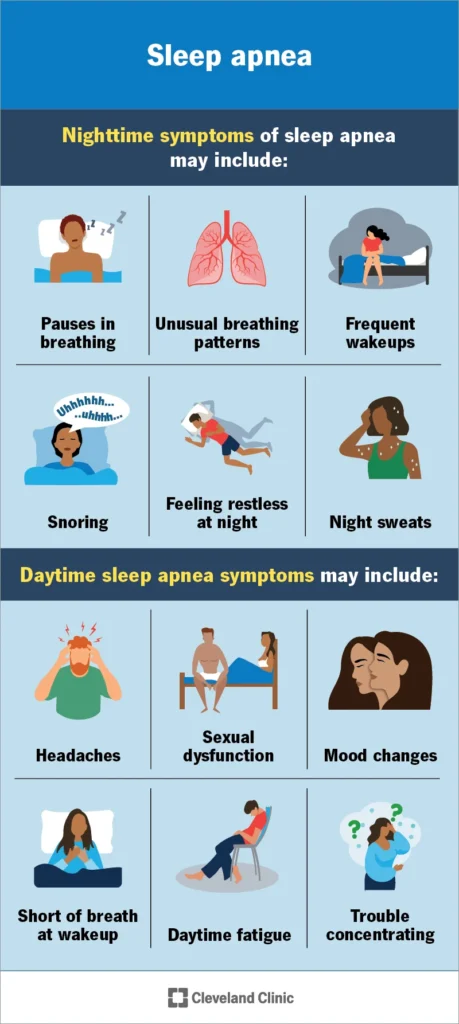
- Are you snoring most nights, or only after alcohol, late meals, or travel?
- Do you wake up dry-mouthed, or with jaw soreness?
- Does your partner notice pauses, gasps, or choking sounds?
- Are you buying gadgets because you’re exhausted, or because the snoring is new?
If you’re in the “new gadget every week” phase, you’re not alone. Sleep tech is having a moment. So are burnout, travel fatigue, and the classic relationship joke: one person sleeps, the other auditions for a chainsaw commercial.
Overview: what people are actually trying right now
Recent sleep chatter has a theme: simple fixes vs. risky shortcuts. You’ll see headlines about basic nasal care helping some kids with sleep-disordered breathing, and warnings from doctors about mouth taping at night. You’ll also see more reviews of mandibular advancement devices (MADs), which are a common style of anti snoring mouthpiece.
Here’s the practical takeaway. Snoring is usually a mechanics problem: airflow meets relaxed tissue. Your job is to improve airflow and reduce collapse, without doing anything that makes breathing harder.
If you want a quick read on the nasal-spray discussion in the news cycle, see this: Saline nasal spray alone resolves sleep-disordered breathing in nearly one-third of children, study finds.
Timing: when to test changes for real results
Pick a 10–14 day window. Don’t start the same week you’re jet-lagged, sick, or pulling late nights for work. Those weeks are chaos, and chaos makes snoring louder.
Use a simple scorecard each morning: snoring complaints (yes/no), dry mouth (0–3), energy (0–3), and jaw comfort (0–3). That’s enough to spot patterns without turning sleep into a second job.
Supplies: keep it simple and repeatable
- A glass of water by the bed (dry mouth is a common clue).
- Optional: saline rinse or spray if you’re congested (especially during allergy seasons).
- A side-sleep aid (body pillow, backpack trick, or wedge).
- An anti snoring mouthpiece if your snoring seems jaw-position related.
If you want a combined approach that also supports keeping the mouth closed comfortably, consider this product option: anti snoring mouthpiece.
Step-by-step (ICI): the no-drama setup that improves comfort
ICI = Inspect, Customize, Integrate. It’s a simple way to avoid the two biggest problems: poor fit and inconsistent use.
1) Inspect: confirm your snoring pattern
Do one quick check before you commit to any device. If snoring is paired with choking, gasping, or witnessed pauses, treat that as a medical flag. A mouthpiece can still be part of the conversation, but you should also ask about sleep apnea screening.
If snoring spikes with congestion, start with airflow basics first. Nasal comfort steps can matter, and they’re low risk when used appropriately.
2) Customize: fit for comfort, not maximum force
Many mouthpieces work by gently moving the lower jaw forward. More is not always better. Too much advancement can cause jaw pain, tooth soreness, or morning headaches.
Set your goal as: quiet enough to sleep + comfortable enough to repeat. If you can’t wear it consistently, it can’t help your sleep quality.
3) Integrate: pair the mouthpiece with positioning
Side sleeping is still one of the highest-value changes for many snorers. Combine it with the mouthpiece for a cleaner test. If you only change one variable per week, you’ll know what’s working.
On nights after late meals, alcohol, or a long flight, expect snoring to push back. Those are “hard mode” nights. Keep your routine steady anyway.
4) Cleanup: keep the device fresh and your mouth happy
Rinse after use and clean as directed by the manufacturer. Let it dry fully. A funky device is a fast way to quit the routine.
If you wake up with irritation, reassess fit and hydration. Don’t ignore persistent pain.
Mistakes that wreck sleep quality (even if snoring gets quieter)
Chasing viral hacks instead of breathing basics
Mouth taping gets attention because it’s dramatic. It can also be a bad idea if your nose isn’t clear or if you might have sleep apnea. If you’re tempted by it, pause and choose safer steps first.
Over-tightening or over-advancing on night one
Discomfort leads to poor sleep, and poor sleep makes everything feel worse the next day. Ease in. Your goal is steady improvement, not a single “perfect” night.
Ignoring daytime symptoms
Snoring is annoying. Daytime sleepiness is a bigger deal. If you’re nodding off at work, waking with headaches, or feeling unrefreshed despite enough hours in bed, get evaluated.
FAQ: quick answers people ask before trying a mouthpiece
Is snoring always a sign of sleep apnea?
No. But loud, frequent snoring plus breathing pauses, gasping, or heavy daytime sleepiness can point to sleep apnea. When in doubt, ask a clinician.
What if my snoring is mostly from congestion?
Start with airflow support: manage allergies, consider saline comfort measures, and avoid drying triggers. If jaw position is also involved, a mouthpiece may still help.
Can a mouthpiece improve sleep quality even if I still snore a little?
Yes. Many couples care about “quiet enough,” not “silent forever.” Better sleep continuity matters for mood, focus, and recovery.
CTA: make your next step a real test, not another impulse buy
If you’re ready to try a structured approach, start with a mouthpiece plan you can actually stick to. Comfort, positioning, and consistent use beat novelty every time.
How do anti-snoring mouthpieces work?
Medical disclaimer: This article is for general education and is not medical advice. Snoring can be a symptom of obstructive sleep apnea or other conditions. If you have choking/gasping, witnessed breathing pauses, significant daytime sleepiness, chest pain, or concerns about a child’s breathing during sleep, seek guidance from a qualified clinician.