
Myth: If you snore, you just need a new sleep gadget.
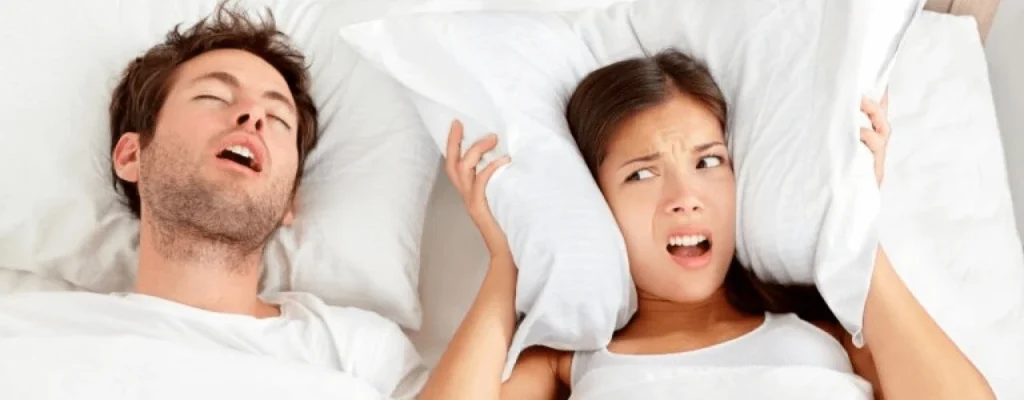
Reality: Snoring is usually a mechanics problem. Airflow gets narrow, tissues vibrate, and sleep quality drops. The fix is often boring, practical, and cheaper than another app-enabled “smart” pillow.
Right now, sleep is having a moment. People are swapping tips like they swap travel hacks: red-eye recovery routines, wearable sleep scores, and relationship jokes about who “won” the blanket war. Under the humor is a real issue. Poor sleep shows up at work as burnout, brain fog, and short patience.
Recent health coverage has also kept the spotlight on sleep-disordered breathing, including reminders about sleep apnea symptoms and causes from major medical sources. Another headline making the rounds: a study suggesting saline nasal spray alone improved sleep-disordered breathing for a notable portion of children. That doesn’t mean saline is a universal fix. It does reinforce a simple idea: start with airflow basics before you spend big.
A no-waste decision guide: if/then your way to quieter nights
If your snoring is mostly positional, then start with gravity
If you’re quiet on your side but loud on your back, you’re not alone. Back-sleeping can let the jaw and tongue fall back, shrinking the airway.
Then: Try side-sleep support (a body pillow, a backpack trick, or a wedge). If that helps but doesn’t solve it, a mouthpiece may still be useful as a “set-and-forget” option.
If your nose feels blocked, then fix the “front door” first
When nasal breathing is tough, you may mouth-breathe. That can dry tissues and worsen snoring.
Then: Keep it simple: hydration, room humidity, and gentle nasal care. You may have seen headlines about saline helping some kids with sleep-disordered breathing. For adults, saline can still be a low-cost comfort step. If congestion is persistent or severe, get it checked.
If you want a quick read on that pediatric angle, see this related coverage: Saline nasal spray alone resolves sleep-disordered breathing in nearly one-third of children, study finds.
If your partner says it sounds like “chainsaw season,” then measure impact, not volume
Loud is annoying, but the bigger question is how you feel the next day. Waking unrefreshed, morning headaches, or dozing off easily are bigger red flags than decibels alone.
Then: Track two things for one week: (1) how many times you wake up, and (2) your daytime sleepiness. This keeps you from chasing random trends and helps you choose the right tool.
If you suspect jaw/tongue collapse, then an anti snoring mouthpiece is a reasonable next step
Many snorers narrow their airway when the lower jaw relaxes. An anti snoring mouthpiece is designed to support a better airway position during sleep, which can reduce vibration and noise for some people.
Then: Choose a mouthpiece path that matches your budget and patience. If you want to compare options, start here: anti snoring mouthpiece.
If you notice choking/gasping, then don’t DIY your way past it
Snoring can be harmless. It can also be a sign of sleep apnea. Common red flags include pauses in breathing, gasping, high daytime sleepiness, and high blood pressure.
Then: Treat this as a medical check-in, not a shopping problem. A mouthpiece may still be part of a plan, but it shouldn’t be your only plan if symptoms suggest apnea.
Quick reality checks before you buy anything
- Travel fatigue makes snoring worse. Alcohol, late meals, and sleeping on unfamiliar pillows stack the odds against you.
- “More time in bed” isn’t always better. If you’re lying awake, you’re training your brain that bed equals scrolling and stressing.
- Workplace burnout shows up at night. Stress can fragment sleep, which can make snoring feel louder and mornings feel harsher.
FAQs
Can an anti snoring mouthpiece help with sleep apnea?
It may reduce snoring for some people, but sleep apnea needs medical evaluation. If you suspect apnea, get assessed before relying on a mouthpiece alone.
How fast should a mouthpiece work?
Many people notice changes within a few nights. If nothing improves after a couple of weeks of consistent use, reassess fit, triggers, and next steps.
Is snoring always a health problem?
Not always. But frequent loud snoring plus daytime sleepiness, choking/gasping, or high blood pressure can signal a bigger issue.
What if my nose is blocked at night?
Nasal congestion can worsen snoring. Simple routines like hydration, humidity, and saline rinses may help, but persistent blockage should be checked.
Are sleep gadgets worth it for snoring?
Some are helpful, many are just noise. Start with the lowest-cost, highest-signal steps: sleep position, nasal comfort, and a properly fitting mouthpiece.
CTA: pick the next step that won’t waste your week
If you’ve tried the basics and your snoring still dents sleep quality, a mouthpiece is a practical next move. Keep it simple, track results, and prioritize comfort.
How do anti-snoring mouthpieces work?
Medical disclaimer: This article is for general education only and is not medical advice. Snoring can be a sign of sleep apnea or other conditions. If you have choking/gasping, pauses in breathing, severe daytime sleepiness, chest pain, or concerns about a child’s breathing during sleep, seek care from a qualified clinician.