
Before you try anything for snoring, run this quick checklist.
- Track the pattern: Is it nightly, or worse after alcohol, allergies, or travel?
- Check the “tired but in bed” trap: More time in bed doesn’t always mean better rest.
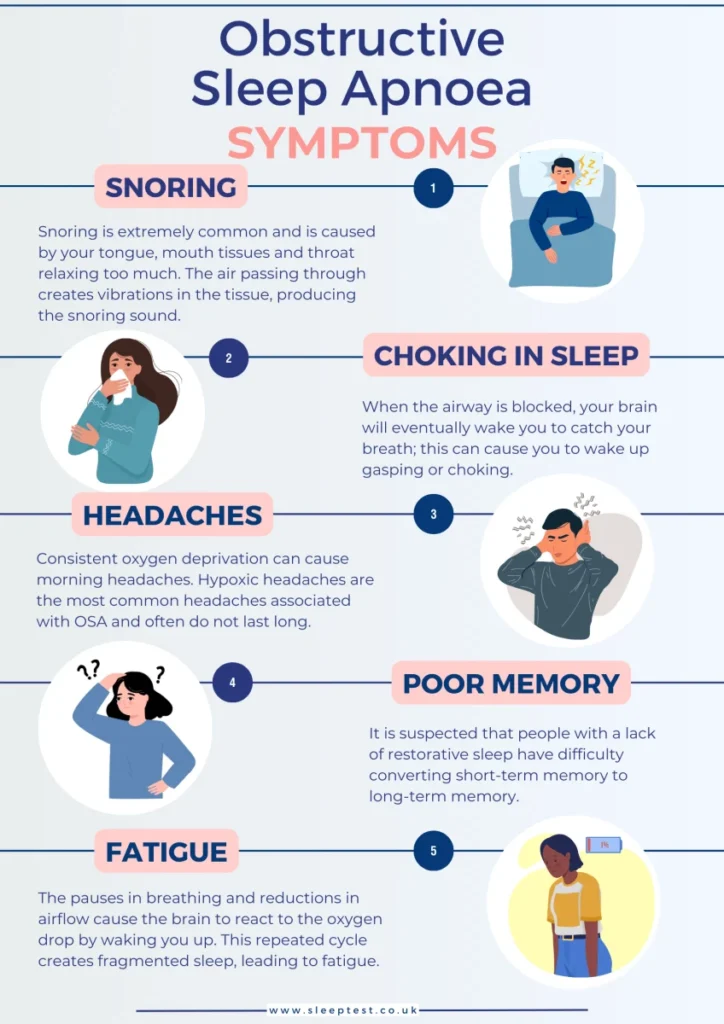
- Screen for red flags: Gasping, choking, or witnessed breathing pauses need medical attention.
- Pick one change for 7 nights: Don’t stack five gadgets and guess what worked.
- Document outcomes: Snoring volume, morning headaches, dry mouth, and daytime sleepiness.
What people are talking about right now (and why it matters)
Sleep is having a moment. New “rules,” wearable scores, and bedside gadgets keep popping up in conversations. People also joke about snoring like it’s a relationship sitcom. It’s funny until it isn’t, especially when both partners feel wrecked at work the next day.
Another theme: travel fatigue. Hotel pillows, late dinners, and time-zone whiplash can make snoring louder. Burnout adds fuel too. When stress rises, routines slip, and sleep gets lighter.
There’s also renewed interest in simple fixes. Some headlines highlight basic nasal care helping a portion of kids with sleep-disordered breathing. Adults see that and think, “Maybe I’m overcomplicating this.” That instinct is good. Start simple, then escalate thoughtfully.
The medical reality check: snoring vs. sleep apnea
Snoring is vibration from partially blocked airflow. That blockage can come from the nose, soft palate, tongue, or jaw position. Not all snoring is dangerous, but it can still crush sleep quality.
Sleep apnea is different. It involves repeated breathing interruptions and drops in oxygen. If you suspect it, don’t self-treat forever with gadgets. Use a reputable medical overview to understand the signs, like this Saline nasal spray alone resolves sleep-disordered breathing in nearly one-third of children, study finds.
Red flags that deserve a real evaluation: loud snoring most nights, choking or gasping, witnessed pauses in breathing, high blood pressure, morning headaches, or strong daytime sleepiness. If those show up, treat snoring as a health issue, not a nuisance.
How to try at home (without turning your nightstand into a lab)
Think in layers. Start with the lowest-risk steps, then move to tools like an anti snoring mouthpiece if the pattern suggests it fits.
Step 1: Fix the “sleep quality basics” first
Sleep trends love bold rules. Real life is messier. A better approach is consistency: a steady wake time, a wind-down routine, and fewer late-night curveballs.
Also, be cautious about staying in bed far longer than you sleep. If you’re awake and frustrated, you’re training your brain to associate bed with alertness. Aim for a comfortable, repeatable schedule instead of chasing perfect numbers.
Step 2: Reduce easy snoring triggers
- Alcohol timing: Many people snore more after drinking close to bedtime.
- Sleep position: Back-sleeping often worsens snoring for tongue and jaw reasons.
- Nasal congestion: Allergies, dry air, and colds can push you into mouth breathing.
For congestion, consider low-risk basics like hydration and gentle nasal hygiene. If symptoms persist, ask a clinician what’s appropriate for you.
Step 3: When an anti-snoring mouthpiece makes sense
An anti-snoring mouthpiece (often a mandibular advancement device) aims to hold the lower jaw slightly forward. That can reduce airway collapse for certain people, especially when snoring is worse on your back or when your jaw relaxes heavily during sleep.
It’s not a universal fix, and comfort matters. Jaw soreness, tooth pressure, or bite changes are signals to reassess. If you want to compare styles and use-cases, start with a curated page of anti snoring mouthpiece.
Step 4: Run a 7-night “proof” test
Keep it simple. Choose one primary intervention (like a mouthpiece) and hold other variables steady.
- Nightly notes: snoring reports from a partner or app, wake-ups, morning dryness, headaches.
- Daytime check: energy, focus, and the 2–4 p.m. slump.
- Comfort score: jaw tension, gum irritation, tooth sensitivity.
This creates a paper trail. It’s useful if you later talk to a dentist or sleep clinician. It also helps you avoid the “new gadget placebo week.”
When to stop experimenting and get help
Self-testing is fine for mild, occasional snoring. It’s not the right lane if symptoms suggest sleep apnea or another condition.
Get professional guidance if:
- Breathing pauses, gasping, or choking happen at night.
- You’re falling asleep unintentionally during the day.
- You have significant jaw pain, tooth movement, or bite changes with a mouthpiece.
- Snoring is new and severe, or paired with chest pain or severe shortness of breath.
Medical disclaimer: This article is for general education and does not diagnose, treat, or replace care from a qualified clinician. If you suspect sleep apnea or have concerning symptoms, seek medical evaluation.
FAQ: quick answers people want before buying anything
Is an anti-snoring mouthpiece the same as a sports mouthguard?
No. Sports mouthguards protect teeth. Anti-snoring mouthpieces are designed to change jaw/tongue position to help airflow.
What if my snoring is mostly from my nose?
You may need to address congestion and nasal breathing first. A mouthpiece can still help some people, but nasal blockage can limit results.
Can a mouthpiece help sleep quality even if snoring is “not that loud”?
Sometimes. Light snoring can still fragment sleep, especially if it causes micro-awakenings. Track how you feel during the day to judge impact.
Next step: get a clear explanation before you commit
If you’re trying to protect sleep (and your relationship) without chasing every trend, start with one question and one plan.