
At 2:13 a.m., the hotel room is quiet—until it isn’t. One person is out cold after a day of travel delays. The other is wide awake, staring at the ceiling, doing that familiar math: “If I fall asleep in the next 10 minutes, I’ll get five hours.”
That’s the modern snoring story. It shows up after red-eye flights, during stressful work weeks, and right when you’re trying to “get serious” about health. Lately, the conversation has also gotten louder—sleep trackers, new device trials, and practical tips circulating everywhere.
Quick overview: why snoring trashes sleep quality
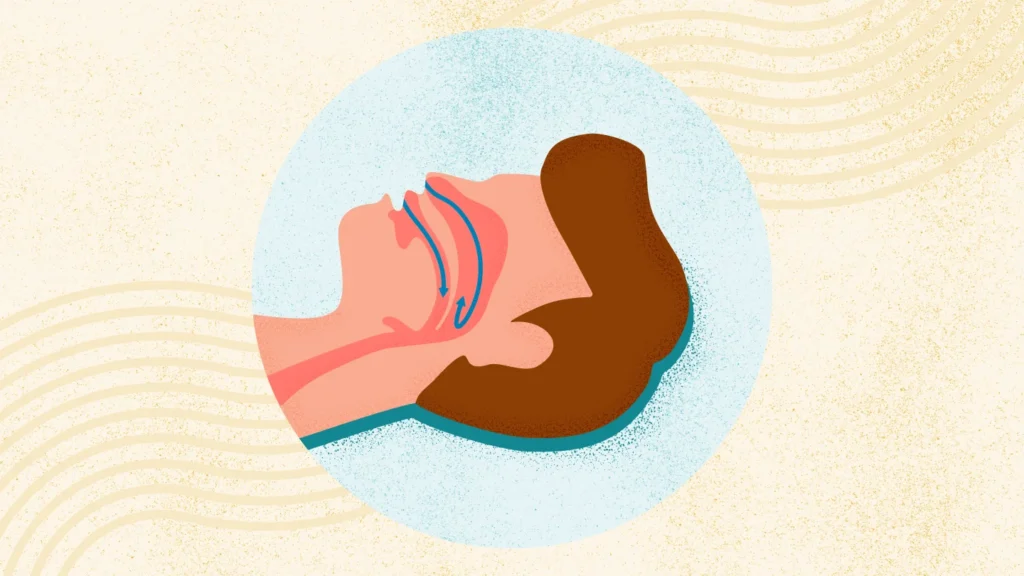
Snoring is vibration. Airflow gets turbulent as it passes through relaxed tissue in the throat or around the soft palate. Even if the snorer feels fine, the noise and micro-arousals can fragment sleep for both people in the room.
Sometimes snoring is just snoring. Other times, it can overlap with sleep-disordered breathing, including sleep apnea. If you’ve seen recent explainers and “try this tonight” lists, that’s why—sleep quality affects mood, energy, blood pressure, and daytime focus.
If you want a broad, practical starting point, see this related coverage on 7 Ways to Help Manage Sleep Apnea, Starting Tonight. Keep in mind: headlines are helpful for awareness, but your best plan is the one you can repeat.
Timing: when to test changes (and when to stop DIY)
Try simple changes for 1–2 weeks if snoring is occasional, tied to travel fatigue, alcohol, congestion, or a new pillow setup. Give your body a fair trial before you buy five gadgets.
Skip the “wait and see” approach if you notice choking or gasping, witnessed breathing pauses, morning headaches, high daytime sleepiness, or high blood pressure concerns. Those are reasons to talk with a clinician and ask about sleep apnea testing.
Supplies: a no-waste sleep toolkit
- Phone notes app for a 7-night log (bedtime, alcohol, congestion, side vs back sleeping, snoring reports)
- Basic nasal comfort items (humidifier or shower steam; some people also use saline for dryness or stuffiness)
- Side-sleep support (a body pillow or a backpack/tennis-ball style reminder if you always roll onto your back)
- An anti snoring mouthpiece if your pattern suggests jaw/tongue position is part of the problem
Why mouthpieces are trending: they’re a relatively low-barrier option compared to many sleep gadgets. They also fit the “do it at home without wasting a cycle” mindset.
Step-by-step (ICI): Identify → Choose → Implement
1) Identify your likely snoring triggers
Use a simple “what changed?” scan. Travel fatigue, late meals, alcohol, new meds, allergies, or sleeping on your back can all make snoring more likely.
Also note the social side. Many people start searching for solutions after a partner jokes about it—or after a week of workplace burnout makes sleep feel non-negotiable. The humor is real. The sleep debt is, too.
2) Choose one primary intervention (don’t stack everything)
Pick the most plausible lever first:
- Position-related snoring: prioritize side sleeping and pillow support.
- Congestion-related snoring: prioritize nasal comfort and bedroom humidity.
- Jaw/tongue-position snoring: consider an anti snoring mouthpiece to help keep the airway more open during sleep.
If you want a product-style option that combines approaches, you can look at an anti snoring mouthpiece. The goal is simple: support a more stable mouth/jaw posture through the night, without turning bedtime into a science project.
3) Implement for 7 nights, then review
Run a one-week experiment. Keep bedtime and wake time as consistent as you can. Then track:
- How often snoring is reported (or recorded)
- How rested you feel at 10 a.m.
- Any jaw soreness, gum irritation, or dry mouth
If you see improvement, stay the course. If nothing changes, switch one variable. That’s how you avoid spending money on “sleep trends” that don’t match your snoring type.
Mistakes that waste time (and make mouthpieces feel like a scam)
Buying a device before you know your pattern
If your snoring is mostly from congestion or back-sleeping, a mouthpiece may not be the best first move. Match the tool to the trigger.
Ignoring comfort signals
Minor adjustment discomfort can happen. Sharp pain, ongoing jaw symptoms, or tooth issues are not “power through it” situations. Stop and get guidance from a dentist or clinician.
Assuming snoring equals sleep apnea (or that it can’t be apnea)
Both assumptions cause problems. Snoring can be benign, and it can also be a clue. If symptoms suggest apnea, prioritize evaluation over DIY tinkering.
Trying to fix everything at once
New tracker, new pillow, mouth tape, mouthpiece, supplements—then you have no idea what worked. Change one main thing per week.
FAQ
Do mouthpieces work for everyone?
No. They tend to help most when snoring is related to jaw position, tongue position, or mild airway narrowing during sleep. Fit and consistency matter.
What about the new anti-snoring devices in the news?
You may see reports about clinical trials testing new approaches. That’s a good sign that sleep disruption is being taken seriously. For your own plan, start with proven basics and talk with a clinician if symptoms are significant.
Can kids use the same approach?
Children’s snoring and sleep-disordered breathing have different causes and should be assessed by a pediatric clinician. Don’t use adult mouthpieces for kids.
What’s the simplest “tonight” move?
Side sleeping, reducing alcohol close to bedtime, and addressing nasal dryness or congestion are common starting points. If snoring persists, consider a mouthpiece trial or medical evaluation.
CTA: keep it practical, not perfect
You don’t need a drawer full of sleep gadgets to make progress. You need one clear hypothesis, one week of consistent testing, and a plan that fits your budget and routine.
How do anti-snoring mouthpieces work?
Medical disclaimer: This article is for general education only and is not medical advice. Snoring can be a symptom of sleep apnea or other conditions. If you have choking/gasping, breathing pauses, significant daytime sleepiness, chest pain, or concerns about a child’s sleep, seek evaluation from a qualified clinician.