
Is snoring just annoying, or is it wrecking your sleep quality?
Are sleep gadgets actually helping, or just adding more stuff to your nightstand?
Could an anti snoring mouthpiece be a practical middle ground?
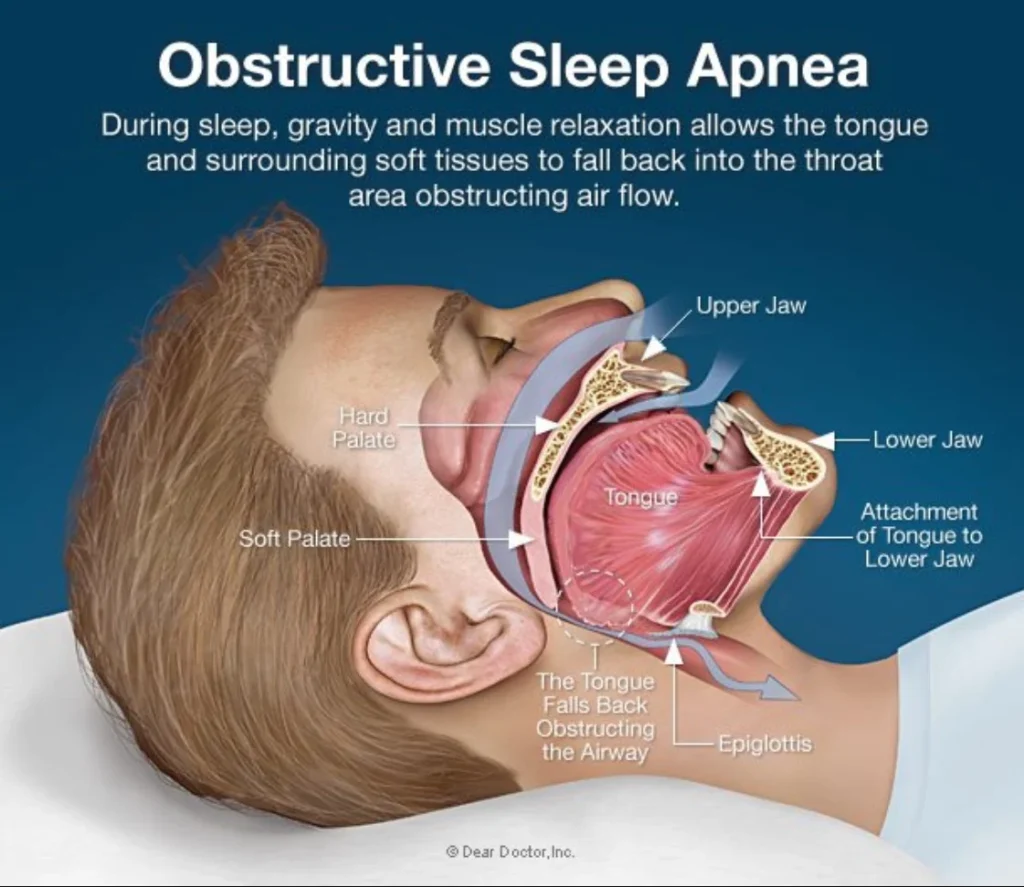
For a lot of people, the answers are: it’s more than annoying, the gadget pile is real, and yes—mouthpieces can be worth a serious look. Snoring is having a cultural moment right now, from “biohacker” sleep trackers to travel-fatigue reels to relationship jokes about who gets the couch. Under the humor, the goal is simple: sleep that feels restorative.
The big picture: why snoring is getting so much attention
Snoring often shows up when airflow gets turbulent as tissues in the throat relax during sleep. That turbulence can fragment sleep for the snorer, the partner, or both. Add workplace burnout and constant screen time, and people are less willing to accept “good enough” sleep.
It also explains why you’re seeing more headlines about new anti-snoring devices and clinical testing. When researchers run trials on sleep-related tools, it signals a bigger trend: snoring isn’t being treated like a punchline anymore. It’s being treated like a quality-of-life problem that deserves better solutions.
If you want the broader context, see this search-style reference: New clinical trial will test innovative anti-snoring device to tackle sleep disruption.
The human side: sleep loss hits relationships, travel, and mood
Snoring arguments rarely start with snoring. They start with exhaustion. When one person is up at 2:00 a.m. listening to a “chainsaw soundtrack,” everything feels more personal than it is.
Travel makes it worse. Hotel beds, red-eye flights, alcohol at dinner, and nasal dryness can turn mild snoring into a nightly event. Then you come home and try to “catch up” on sleep, which is tough when your routine is already frayed.
Even if you sleep alone, poor sleep quality shows up the next day as irritability, brain fog, and reduced patience. That’s why people keep searching for something that’s not complicated, not loud, and not another subscription.
Practical steps: how an anti snoring mouthpiece fits into a real plan
Think of snoring tools as a ladder. You start with easy, low-risk changes. If those aren’t enough, you move up to targeted devices.
Step 1: Get clear on the pattern (quick self-check)
Before you buy anything, notice what changes your snoring:
- Back sleeping: often makes snoring worse.
- Alcohol close to bedtime: can relax airway tissues more.
- Nasal congestion: can push you toward mouth breathing.
- Jaw position: a slack jaw can narrow airflow.
This isn’t a diagnosis. It’s just a way to choose smarter next steps.
Step 2: Understand the two main mouthpiece styles
Most anti-snoring mouthpieces fall into two categories:
- Mandibular advancement devices (MAD-style): they gently hold the lower jaw forward to help keep the airway more open.
- Tongue-stabilizing devices (TSD-style): they aim to keep the tongue from falling back.
Many people prefer a jaw-advancing approach because it can feel more stable. Comfort still matters more than “aggressive” positioning.
Step 3: Fit and comfort basics (the ICI approach)
If you remember one thing, use ICI: Incremental, Comfortable, Intentional.
- Incremental: start with the least forward setting that still helps. Give your mouth time to adapt.
- Comfortable: pressure points are a dealbreaker. If it hurts, you won’t wear it.
- Intentional: pair it with positioning (side sleeping) and nasal support if congestion is an issue.
A mouthpiece that stays in and feels tolerable at 3:00 a.m. beats a “perfect” device you abandon after two nights.
Step 4: Positioning that actually pairs well with a mouthpiece
Small changes can stack with a mouthpiece:
- Side-sleeping support: a pillow behind your back can reduce roll-over.
- Head/neck alignment: avoid a pillow that forces your chin down.
- Wind-down routine: even 10 minutes of lower light and less scrolling can reduce “tired but wired.”
Step 5: Cleanup and maintenance (simple, not fussy)
People quit mouthpieces because they get gross or start to smell. Keep it boring:
- Rinse after use.
- Brush gently with mild soap.
- Air-dry fully before storing.
- Replace if it warps, cracks, or won’t fit consistently.
Safety and testing: what to watch for (and when to get checked)
Snoring can be “simple snoring,” or it can be related to sleep-disordered breathing like obstructive sleep apnea. General medical guidance often flags symptoms like loud snoring plus gasping, witnessed breathing pauses, morning headaches, or heavy daytime sleepiness as reasons to talk to a clinician.
Also pay attention to your jaw and teeth. A mouthpiece should not create ongoing pain. If you notice jaw soreness that doesn’t fade, tooth discomfort, or bite changes, stop and get professional input.
One more reality check: more devices are being tested and reviewed right now, and that’s good. Clinical trials and reputable evaluations help separate “cool sleep tech” from tools that hold up in real bedrooms.
Medical disclaimer: This article is for general education only and is not medical advice. It does not diagnose, treat, or cure any condition. If you suspect sleep apnea or have persistent symptoms, talk with a qualified healthcare professional.
FAQ: quick answers people are searching for
Is snoring always caused by being overweight?
No. Weight can be a factor for some, but nasal congestion, anatomy, alcohol, sleep position, and jaw/tongue relaxation can also contribute.
Can a mouthpiece replace a sleep study?
No. If you have signs of sleep apnea, a sleep study (home or lab, depending on your clinician) is the right way to assess what’s happening.
What if I drool with a mouthpiece?
Mild drooling is common at first. It often improves as your mouth adapts and the fit becomes more stable.
CTA: a straightforward option to consider
If you’re looking for a product-style solution that targets jaw position and adds extra support, you can review this option here: anti snoring mouthpiece.