
Myth: Snoring is just an annoying sound.
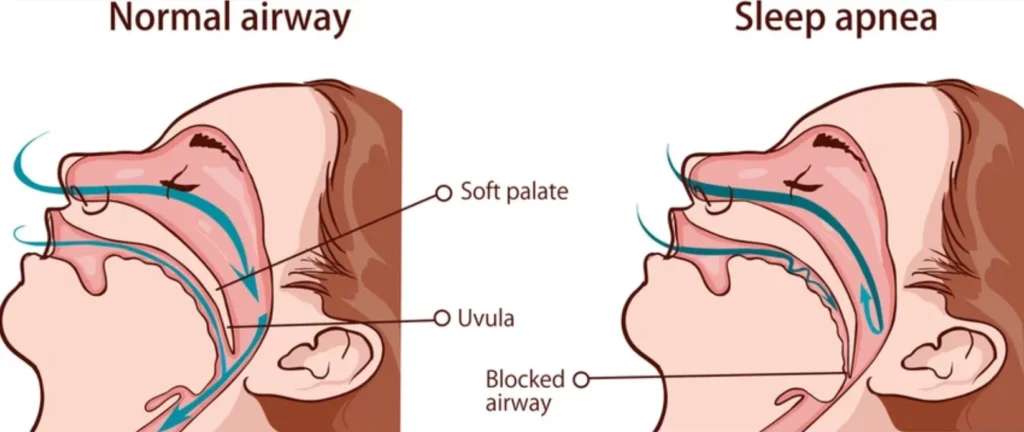
Reality: Snoring often signals disrupted airflow, which can chip away at sleep quality for you and anyone within earshot. That’s why snoring shows up in the same conversations as sleep gadgets, performance hacks, relationship jokes, and workplace burnout.
People are also paying more attention to the “front door” of breathing. Recent sleep coverage has put a spotlight on nasal breathing and bedtime habits, plus the broader topic of sleep apnea. The takeaway is simple: small airway issues can snowball into rough nights.
Start here: what’s your snoring pattern?
Use this decision guide like a quick triage. You’re not trying to become a sleep scientist. You’re trying to pick the next smart step.
If-Then Decision Guide (pick the branch that matches you)
If your snoring gets worse on your back, then focus on positioning + jaw support
If snoring spikes the moment you roll onto your back, gravity may be pulling the jaw and tongue backward. That’s a classic setup for louder, rougher airflow.
- Then try: side-sleep strategies (pillow setup, positional habits) and consider an anti snoring mouthpiece designed to keep the lower jaw from drifting back.
- Why it’s trending: People want low-tech solutions that compete with sleep wearables and “smart” gadgets without adding another app to their night.
If your nose feels blocked at night, then treat “air in” before you treat “noise out”
Nasal congestion pushes you toward mouth breathing, which can make snoring more likely. There’s also growing public interest in nasal breathing for comfort and performance.
- Then try: simple, non-medicated comfort steps that support nasal airflow (like humidity and routine wind-down). Some reporting has also discussed saline approaches in specific pediatric contexts, but adults should keep expectations realistic.
- Then consider: a mouthpiece only after you’ve addressed obvious nasal blockage, because a mouthpiece won’t “open” a congested nose.
If you snore most after late nights, alcohol, or travel days, then prioritize sleep pressure and recovery
Travel fatigue, odd hotel pillows, and late dinners are a perfect storm. Add a drink, and tissues relax even more. That’s why “vacation snoring” is a real relationship meme.
- Then try: a consistent cutoff for alcohol and heavy meals, plus a short wind-down routine that you can repeat anywhere.
- Then use: a mouthpiece as a travel tool if your snoring is mainly jaw-position related. Test it at home first so you’re not troubleshooting fit at 1 a.m. in a new time zone.
If your partner reports pauses, gasping, or you feel wrecked in the morning, then think “screening,” not hacks
Snoring can overlap with sleep apnea. Recent headlines keep circling back to the idea that sleep apnea deserves attention, not jokes.
- Then do this: talk to a clinician about evaluation. Don’t self-diagnose.
- Then avoid: assuming a mouthpiece is “enough” if there are red flags like choking/gasping or significant daytime sleepiness.
Anti-snoring mouthpiece basics (tools + technique)
A mouthpiece is not magic. It’s a positioning tool. For many snorers, the goal is simple: keep the airway more open by stabilizing where the jaw and tongue sit during sleep.
ICI basics: fit, comfort, and consistency
- ICI = Insert, Check, Improve. Insert it the same way each night. Check comfort and breathing. Improve the fit gradually so you don’t quit after one rough night.
- Comfort wins adherence. If it pinches, rubs, or forces your bite awkwardly, you’ll stop using it. A “perfect” device you don’t wear is useless.
- Positioning matters. The point is gentle forward support, not aggressive clenching.
Cleanup and upkeep (keep it simple)
Daily cleaning keeps odors and buildup from becoming the reason you abandon the routine. Rinse after use, wash gently, and air-dry. Follow the manufacturer’s instructions for anything stronger.
Quick reality checks (before you buy another sleep gadget)
- More time in bed isn’t always better. Some wellness coverage has highlighted that lingering in bed can backfire for sleep quality. Focus on consistent sleep timing and a clean wake-up routine.
- Don’t ignore heart-health messaging. General reporting has linked certain nighttime mistakes and poor sleep habits with health risk. Use that as motivation to take sleep seriously, not as a reason to panic.
- Burnout amplifies everything. Stress can tighten your jaw, fragment sleep, and make you more sensitive to noise. Fixing snoring helps, but protect your wind-down time too.
Helpful reads (authority source)
If you want a broader look at sleep risk conversations in the news, see this related coverage: Health Matters: Sleep apnea.
FAQs (fast answers)
Do anti-snoring mouthpieces work for everyone?
No. They’re most likely to help when jaw/tongue position contributes to snoring. Congestion and untreated sleep apnea can require different solutions.
What’s the difference between a mouthpiece and a CPAP?
A mouthpiece repositions oral structures to support airflow. CPAP delivers pressurized air and is commonly used for diagnosed sleep apnea under medical supervision.
Can mouthpieces help with snoring on flights or in hotels?
Sometimes. Travel fatigue, alcohol, and odd sleep positions can worsen snoring. A tested-at-home mouthpiece can be a practical travel option.
How do I clean an anti-snoring mouthpiece?
Rinse, gently brush with mild soap, and air-dry. Avoid harsh cleaners unless the product directions say they’re safe.
When should snoring be checked by a clinician?
If there are breathing pauses, gasping, significant daytime sleepiness, or morning headaches, ask for an evaluation for sleep apnea.
CTA: choose a mouthpiece that matches your snoring pattern
If your snoring is mostly positional (back-sleeping, relaxed jaw, travel nights), a mouthpiece is often the most direct tool to test.
How do anti-snoring mouthpieces work?
Medical disclaimer
This article is for general education only and is not medical advice. Snoring can be a sign of sleep apnea or other health conditions. If you have severe symptoms, breathing pauses, chest pain, or significant daytime sleepiness, seek care from a qualified clinician.