
Myth: Snoring is just “noise,” so it can’t matter much.
Reality: Snoring often signals disrupted airflow, lighter sleep, and a partner who’s one nudge away from moving to the couch. Even when it’s not dangerous, it can still wreck sleep quality and next-day energy.
Right now, the conversation is everywhere: nose-breathing performance tips, sleep gadgets that promise miracles, travel fatigue from packed schedules, and workplace burnout that makes “just get more sleep” feel impossible. Let’s cut through the hype and get practical—especially if you’re considering an anti snoring mouthpiece.
What people are talking about (and why it’s everywhere)
Sleep content has shifted from “biohacker flex” to daily survival. You’ll see three themes repeated across headlines and social feeds.
1) Nose breathing as the new performance lever
Endurance folks and weekend warriors keep circling back to the nose as a gateway to better breathing and recovery. That’s not shocking. If your nose is blocked at night, mouth breathing can increase dryness and vibration in the throat.
If you want a general overview of the trend, here’s a related read: Could Your Nose Be Key to Better Performance?.
2) “Start tonight” sleep fixes
People want steps that don’t require a new mattress, a lab test, or a month of tracking. That’s why quick guides about sleep apnea management and bedtime mistakes keep trending. They’re simple, actionable, and shareable.
3) Relationship humor + travel fatigue + burnout
Snoring jokes land because they’re real. Add jet lag, late meals on the road, and stress that keeps your jaw clenched, and you get louder nights. The punchline stops being funny when both people feel tired and short-tempered.
What matters medically (without the scare tactics)
Snoring happens when soft tissues vibrate as air moves through a narrowed airway. The “why” matters because the right fix depends on the main bottleneck.
Common snoring drivers
- Nasal congestion (allergies, colds, dry air) that pushes you toward mouth breathing.
- Sleep position, especially back sleeping, which can let the tongue fall backward.
- Jaw and tongue posture that narrows the airway during sleep.
- Alcohol or sedatives that relax throat muscles more than usual.
- Weight changes that can increase tissue around the airway.
Snoring vs. sleep apnea: the key distinction
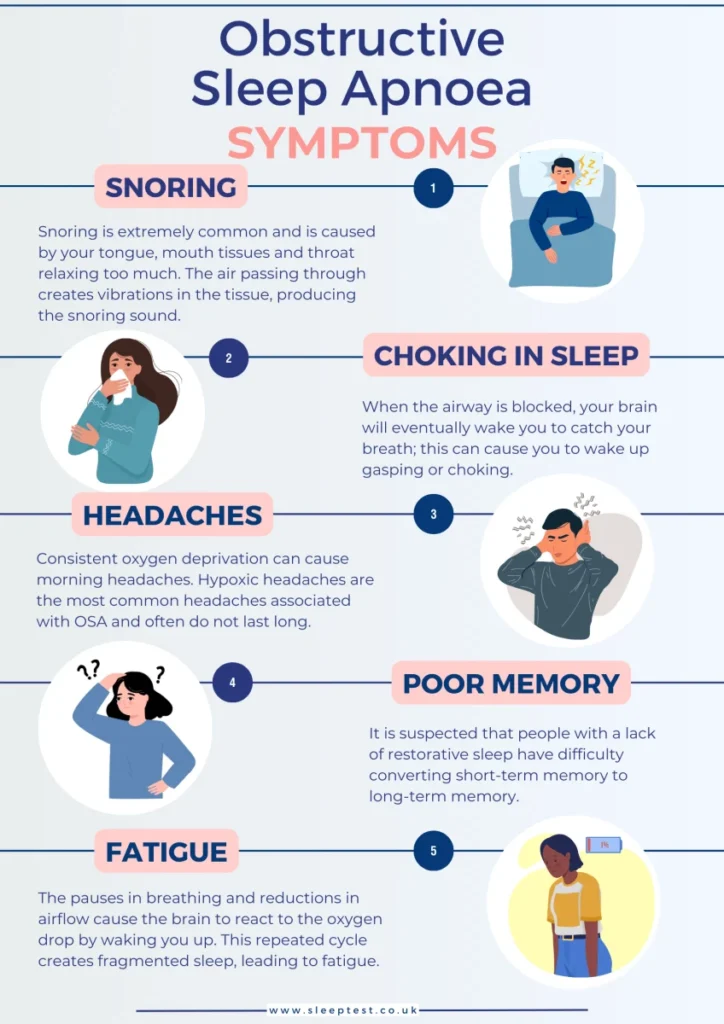
Snoring can be “simple snoring,” but it can also be a sign of obstructive sleep apnea (OSA). OSA involves repeated breathing interruptions and can affect long-term health if untreated.
Consider getting evaluated if snoring comes with choking/gasping, witnessed pauses in breathing, severe daytime sleepiness, or morning headaches. If you’re unsure, a clinician can guide next steps.
Medical disclaimer: This article is for general education and does not diagnose, treat, or replace medical advice. If you think you may have sleep apnea or another sleep disorder, consult a qualified healthcare professional.
How to try at home (a practical, low-drama plan)
Think in layers: airflow, position, and consistency. You don’t need ten gadgets. You need the right two or three steps done well.
Step 1: Clear the “front door” (nose basics)
If your nose is stuffy, any mouth-based solution has to work harder. Try a simple routine before bed.
- Hydrate earlier in the day and avoid very dry rooms when possible.
- Consider gentle nasal rinsing or saline spray if dryness or mild congestion is an issue.
- Shower before bed to loosen mucus if you’re fighting travel grime or winter air.
Step 2: Change the physics (positional tweaks)
Back sleeping often amplifies snoring. Side sleeping can reduce it for many people.
- Use a pillow setup that keeps your head and neck neutral, not cranked forward.
- Try a body pillow to keep you from rolling onto your back.
- If reflux is a factor, slightly elevating the head of the bed may help some people.
Step 3: Add an anti snoring mouthpiece (when jaw/tongue position is the issue)
An anti-snoring mouthpiece typically aims to keep the airway more open by adjusting jaw position (mandibular advancement style) or managing tongue posture. The goal is less vibration and smoother airflow.
ICI basics: fit, comfort, and positioning
- Increment: Start with the smallest effective adjustment. More is not always better.
- Comfort: Mild drooling or pressure can happen early on. Sharp pain is a stop sign.
- Interface: Make sure it seats evenly. A crooked fit can cause sore spots and bad sleep.
Pairing with a chin strap (when mouth opening is the main problem)
Some snorers do fine until their mouth falls open. That can dry tissues and increase noise. In that case, a combo approach may be worth considering.
If you’re shopping, here’s a relevant option to compare: anti snoring mouthpiece.
Cleanup that people skip (and then regret)
A dirty device can smell bad fast. It can also feel rougher on your gums.
- Rinse right after use.
- Brush gently with mild soap (avoid harsh cleaners unless the manufacturer recommends them).
- Air-dry fully before storing to reduce funk and buildup.
When to stop experimenting and get help
Home trials are fine for mild snoring. Don’t “DIY” your way past red flags.
Get medical guidance if you notice:
- Gasping, choking, or witnessed breathing pauses
- High blood pressure concerns or new heart-related symptoms
- Severe daytime sleepiness, drowsy driving risk, or brain fog that won’t quit
- Snoring plus morning headaches or dry mouth every day
- Jaw pain that persists after stopping a mouthpiece
Quick recap (so you can act tonight)
- Start with nose comfort and airflow.
- Lock in side-sleeping support if position drives your snoring.
- Use an anti snoring mouthpiece when jaw/tongue positioning is the likely culprit.
- Prioritize fit and small adjustments. Clean it like it matters—because it does.
FAQ
Is snoring always a health problem?
Not always, but it can signal poor airflow and fragmented sleep. It can also be a sign of sleep apnea, which deserves evaluation.
What if I only snore when I’m traveling?
Travel often stacks triggers: alcohol, late meals, dry hotel air, and back sleeping. Start with hydration, nasal comfort, and side-sleep support.
Can an anti-snoring mouthpiece hurt my jaw?
It can cause soreness if the fit is off or advancement is too aggressive. Stop if you have sharp pain, and consider professional guidance if symptoms persist.
Do mouthpieces help with mouth breathing?
Some people still open their mouth during sleep. A chin strap or nasal-focused steps may help, depending on the cause.
Next step
If you want a clear explanation before you buy anything, start here: