
Before you try an anti snoring mouthpiece, run this quick checklist:
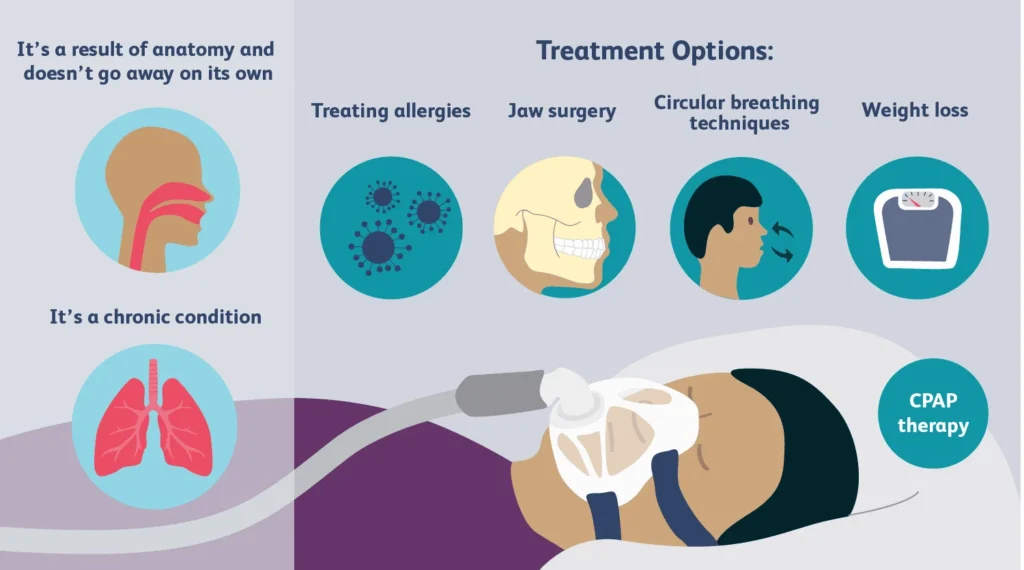
- Safety first: Any choking/gasping, witnessed breathing pauses, or heavy daytime sleepiness? Don’t guess—get screened for sleep apnea.
- Know your trigger: Snoring after alcohol, travel fatigue, or a stuffed nose often needs a different fix than nightly, year-round snoring.
- Protect your jaw and teeth: If you have TMJ pain, loose teeth, gum disease, or major dental work, be extra cautious with DIY devices.
- Keep it clean: Use your own device, store it dry, and follow cleaning directions to lower irritation and infection risk.
- Document what you try: Note dates, settings/fit, and symptoms. It helps you make safer decisions and communicate clearly if you seek care.
Snoring is having a moment in the culture again. Sleep gadgets keep trending, wearables keep scoring your nights, and people are joking (sometimes not joking) about “sleep divorce” on social feeds. Add workplace burnout and constant travel, and you get a perfect storm: more fatigue, more snoring complaints, and more shopping for quick fixes.
At the same time, recent health coverage has pushed a serious reminder: not all snoring is “just snoring.” Sleep apnea education and practical “start tonight” strategies are in the spotlight, and researchers continue testing new anti-snoring approaches in clinical settings. That mix—consumer products plus medical screening—is the conversation to pay attention to.
A decision map: If this is you… then do this
If snoring is occasional (travel, late nights, burnout weeks)…
Then start with low-risk basics for 7–14 nights before you buy another gadget. Travel fatigue and stress can change sleep position, muscle tone, and congestion. That can make snoring spike even if it’s not your “normal.”
- Set a consistent wind-down time (even on work trips).
- Limit alcohol close to bedtime.
- Address nasal stuffiness with simple, non-invasive options (like saline rinses or humidity), if appropriate for you.
- Try side-sleep positioning if you notice snoring is worse on your back.
When to add a mouthpiece: If the snoring keeps returning, a mouthpiece can be a reasonable next step—especially if your partner is losing sleep and you want a portable tool for hotels and long flights.
If snoring is nightly and your partner is complaining (or recording you)…
Then consider an anti snoring mouthpiece as part of a bigger sleep-quality plan. Many mouthpieces aim to keep the airway more open by gently moving the lower jaw forward (mandibular advancement) or stabilizing tongue position. The goal is fewer vibrations and less noise.
Do a quick “fit and tolerance” check:
- Can you breathe comfortably through your nose most nights?
- Do you wake with jaw soreness or headaches already?
- Do you have sensitive gums, loose teeth, or recent dental work?
If those answers raise concerns, prioritize a dental consult or a professionally guided option. It’s the safer route, and it reduces the risk of bite changes or worsening jaw pain.
If you have red flags for sleep apnea…
Then don’t rely on a mouthpiece alone. Snoring plus breathing pauses, choking/gasping, or significant daytime sleepiness deserves screening. Recent mainstream coverage has emphasized practical ways to start managing sleep apnea, but the key step is recognition and evaluation.
Use this as your line in the sand: if you suspect sleep apnea, treat the mouthpiece as a comfort tool at best—not a substitute for medical care.
For a general overview of what people are being told right now, see 7 Ways to Help Manage Sleep Apnea, Starting Tonight.
If you want a mouthpiece but you’re worried about safety…
Then choose the option that makes hygiene and consistency easy. The biggest real-world failure isn’t “the concept doesn’t work.” It’s that the device is uncomfortable, hard to clean, or used inconsistently.
- Comfort: If it hurts, you won’t wear it. Don’t push through sharp pain.
- Jaw protection: Mild morning tightness can happen, but persistent pain is a stop signal.
- Cleaning routine: Build a simple habit you’ll actually follow after late nights.
How to shop without getting tricked by hype
Sleep product reviews are everywhere right now, including mouthpiece “does it really work?” takes. Use them for comparisons, not promises. Your anatomy, sleep position, and congestion patterns matter more than a star rating.
Use an “if…then…” buying filter
- If you want adjustability, then look for designs that allow small, gradual changes rather than one aggressive position.
- If you travel often, then prioritize a case and a routine you can keep on the road.
- If you have dental sensitivities, then avoid anything that feels bulky or forces a hard bite.
- If your partner is the one pushing you to buy, then agree on a trial window and define success (noise reduction, fewer wake-ups, better morning energy).
If you’re comparing options, start here: anti snoring mouthpiece.
Make it work: a simple 2-week trial plan
Week 1: Break in and track. Wear the device as directed, focus on comfort, and note morning jaw feel, dry mouth, and partner feedback. Keep your routine steady so you can tell what’s helping.
Week 2: Tighten the experiment. Keep the mouthpiece consistent and adjust only if the product is designed for it. Avoid changing five other variables at once. Otherwise you’ll never know what did what.
When to stop and get help
- Jaw pain that persists or worsens
- Tooth pain, gum bleeding, or new tooth sensitivity
- Worsening headaches or facial pain
- Ongoing choking/gasping, breathing pauses, or severe daytime sleepiness
FAQs (quick answers)
Are mouthpieces “sleep tech” or medical devices?
Some are marketed as consumer sleep aids, while others are clinician-provided oral appliances. The safest choice depends on your symptoms and dental history.
Will a mouthpiece help with burnout fatigue?
It can reduce sleep disruption from snoring for some people, which may improve daytime energy. Burnout is multi-factorial, so keep expectations realistic.
Can I use one if I’m congested?
If you can’t breathe through your nose, many mouthpieces feel worse. Address nasal blockage first when possible.
Next step: get the simple explanation
If you want the plain-English breakdown before you buy, use the button below.
How do anti-snoring mouthpieces work?
Medical disclaimer: This article is for general education and is not medical advice. Snoring can be a sign of sleep apnea or other health conditions. If you have breathing pauses, choking/gasping, chest pain, severe daytime sleepiness, or concerns about dental/jaw issues, seek evaluation from a qualified clinician or dentist.