
Before you try another sleep gadget, run this quick checklist:
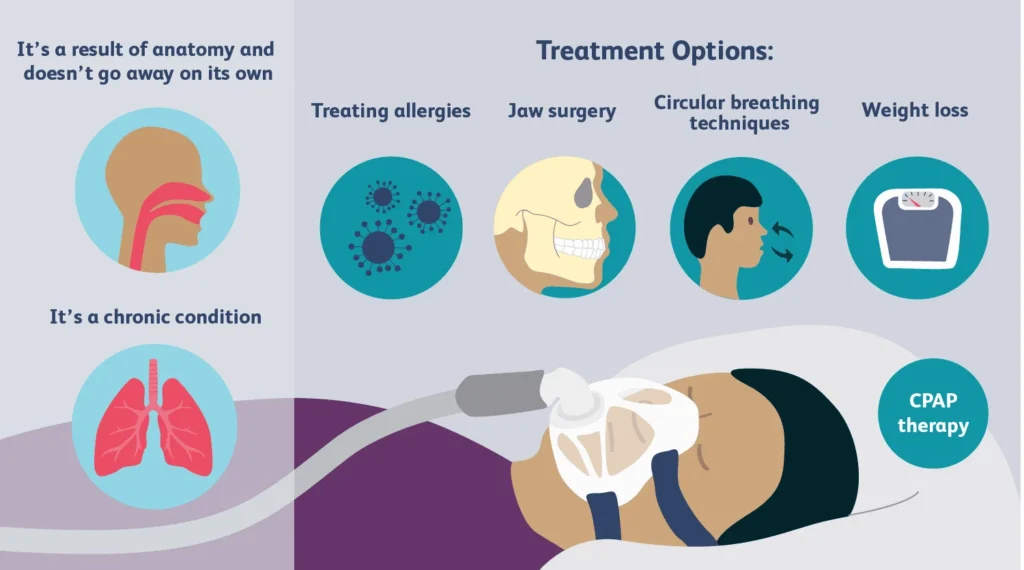
- Confirm what you’re hearing: snoring, choking/gasping, or long pauses in breathing?
- Check your sleep quality signals: dry mouth, headaches, brain fog, mood swings, or daytime sleepiness.
- Test easy positioning wins: side sleeping, pillow support, and bedroom airflow.
- Decide if a mouthpiece fits your lifestyle: travel, shared bed, shift work, or burnout weeks.
- Plan for comfort + cleanup: fit, jaw feel, drool, and a simple cleaning routine.
Snoring is having a moment in the culture again. It’s in relationship jokes, “sleep-maxxing” trend posts, and the endless stream of wearable sleep scores. Under the humor is a real issue: disrupted sleep can spill into focus, patience, and energy at work.
This guide focuses on where an anti snoring mouthpiece fits—without pretending it’s the only tool that matters.
Is snoring just annoying, or is it a sleep quality problem?
If snoring is the soundtrack, sleep quality is the plot. You can “sleep” eight hours and still wake up wrecked if breathing is disturbed or sleep is fragmented.
Watch for patterns that go beyond noise. If your partner notices pauses, gasping, or you wake up feeling panicky, take it seriously. If you want a high-level overview of warning signs, skim this resource on 7 Ways to Help Manage Sleep Apnea, Starting Tonight.
On the other hand, some snoring is situational. Travel fatigue, alcohol close to bedtime, nasal congestion, and back sleeping can all turn a quiet night into a chainsaw impression.
What are people doing “starting tonight” to sleep better?
Most practical advice clusters into two buckets: reduce airway irritation and reduce airway collapse. That’s why you keep seeing the same themes across sleep-health roundups and social chatter.
Quick wins that don’t require new gear
- Side-sleep bias: use pillow placement to avoid rolling onto your back.
- Nasal comfort: manage congestion so you aren’t forced into mouth breathing.
- Wind-down consistency: even a short routine helps when you’re dealing with workplace burnout.
- Alcohol timing: many people notice louder snoring after late drinks.
These steps aren’t glamorous, which is exactly why they work as a foundation. They also make it easier to tell whether a mouthpiece is actually helping.
Where does an anti snoring mouthpiece actually fit?
Most anti-snoring mouthpieces aim to improve airflow by changing mouth/jaw positioning during sleep. The common idea is simple: a better position can reduce tissue vibration and airway narrowing.
People tend to look for a mouthpiece when the basics aren’t enough, or when the stakes are high. That might be a partner who’s losing sleep, a new job with early mornings, or frequent travel where hotel walls feel paper-thin.
Two practical “fit checks” before you buy
- Your main issue is snoring, not tooth pain: if you already have jaw problems or dental concerns, get professional guidance.
- You can commit to adjustment time: comfort improves when you ramp up gradually instead of forcing an all-night change on night one.
Also keep expectations realistic. Mouthpieces can help some people a lot, and others only a little. Cause matters.
What’s the deal with new anti-snoring devices and “best of” lists?
Right now, sleep tech is everywhere. New clinical trials are testing novel anti-snoring devices, while review sites publish updated “best mouthguards” roundups. The result is hype, confusion, and a lot of late-night scrolling.
Use the trend cycle to your advantage. Let it push you toward clearer criteria instead of impulse buys:
- Comfort: if it hurts, you won’t wear it.
- Stability: it should stay in place without constant readjustment.
- Breathability: many people prefer a design that doesn’t feel claustrophobic.
- Maintenance: easy cleaning beats “fancy” if you’ll actually do it.
How do I make a mouthpiece more comfortable (ICI basics)?
Think in ICI terms: Introduce, Comfort, Integrate. This keeps you from quitting too early.
Introduce: start smaller than you think
Try short wear periods before sleep, then partial nights. This reduces the “what is in my mouth?” reflex that ruins night one.
Comfort: protect your jaw and gums
Pay attention to jaw tightness in the morning. If you wake up sore, reassess fit and how aggressively it holds your jaw. Some people do better with added support that encourages mouth closure.
Integrate: build it into your routine
Pair it with one habit you already do—brushing teeth, filling a water bottle, setting an alarm. Consistency matters more than perfection.
What about chinstraps, mouth breathing, and “drool problems”?
Real talk: comfort issues are why people abandon mouthpieces. Mouth breathing can dry you out, and a new device can increase drooling at first.
If you suspect your mouth is falling open during sleep, a combo approach may feel more stable. If you’re exploring that route, look at an anti snoring mouthpiece and compare it to a mouthpiece alone. The goal is simple: steady positioning without strain.
How do I clean an anti-snoring mouthpiece without making it gross?
Cleanup needs to be boring and fast. That’s how it actually happens on a Tuesday night after a late flight.
- Rinse after use.
- Brush gently with mild soap (not harsh cleaners unless the product says so).
- Air-dry completely before storing.
- Replace if it cracks, warps, or starts to smell despite cleaning.
When is snoring a “don’t DIY this” situation?
Snoring can be a sign of a bigger breathing issue. Don’t shrug it off if you notice any of the following:
- Pauses in breathing, choking, or gasping during sleep
- Severe daytime sleepiness or drowsy driving risk
- Morning headaches, high blood pressure concerns, or persistent insomnia
- Worsening symptoms despite lifestyle changes
Medical disclaimer: This article is for general education and does not provide medical advice, diagnosis, or treatment. If you suspect sleep apnea or another sleep disorder, talk with a qualified clinician for evaluation and personalized options.
Common questions (fast answers)
Will a mouthpiece help everyone? No. It depends on anatomy, sleep position, nasal airflow, and how well you tolerate the device.
Is it normal to feel weird at first? Yes. Give yourself a short adjustment window, and prioritize comfort over “toughing it out.”
Can I use it during travel? Many people do. Pack a case and keep cleaning simple so you don’t fall off your routine.
Ready to choose a simpler next step?
If snoring is stealing sleep from you (or your partner), a mouthpiece can be a practical tool—especially when you pair it with positioning and a consistent wind-down.