
On the last night of a work trip, “Chris” does the usual hotel routine: blackout curtains, white-noise app, and a shiny new sleep gadget pulled from a carry-on pocket. Ten minutes later, the phone says sleep is “optimized.” The person in the next bed says otherwise.
That’s the modern snoring moment. We’re tracking everything, chasing performance, and still waking up tired. The good news: you don’t need a drawer full of devices to start improving sleep quality.
What people are talking about right now (and why)
Sleep has become a lifestyle category. Wearables grade your recovery. Mouth tape trends come and go. Even nose breathing is getting attention in performance conversations, especially among runners, cyclists, and anyone trying to feel less wrecked after a red-eye.
Snoring sits right in the middle of it all. It’s a relationship joke until it becomes a real sleep problem. It’s also a workplace problem when burnout meets chronic sleep disruption.
One theme keeps popping up: airflow. If your nose is blocked, you tend to mouth-breathe. Mouth-breathing can increase snoring in many people. That’s why “nose-first” sleep tips and tools keep trending.
If you want a general read on the performance angle, here’s a relevant Could Your Nose Be Key to Better Performance?.
What matters medically (without the hype)
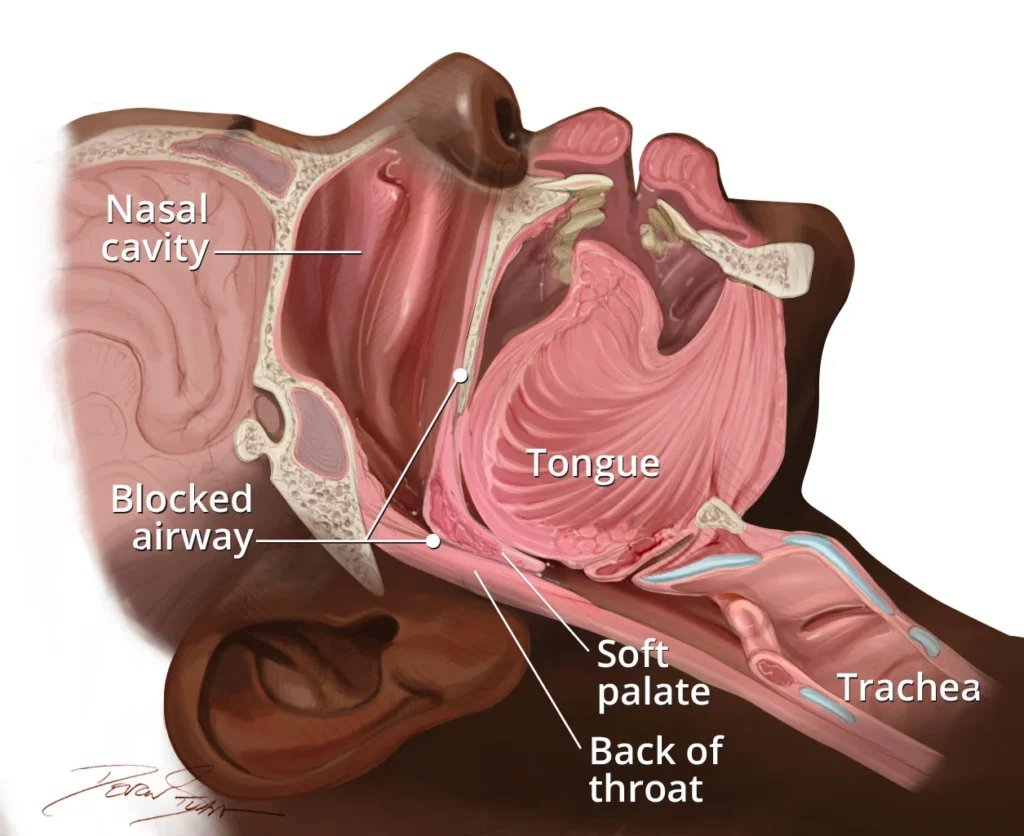
Snoring usually comes from vibration in the upper airway. Common contributors include nasal congestion, sleeping on your back, alcohol close to bedtime, and jaw or tongue position that narrows the airway.
Snoring can also be a sign of obstructive sleep apnea. That’s not a “try harder” problem. It’s a medical condition linked with repeated breathing interruptions during sleep.
Pay attention to the pattern, not just the volume. Loud snoring plus choking, gasping, or heavy daytime sleepiness deserves a real evaluation.
Medical disclaimer: This article is for general education, not a diagnosis or treatment plan. If you suspect sleep apnea or have ongoing symptoms, talk with a qualified clinician.
How to try improvements at home (budget-first, low regret)
You want steps that are cheap, testable, and easy to undo if they don’t help. Start by targeting airflow and sleep position before you buy another gadget.
1) Do a quick “snore audit” for 3 nights
Pick three normal nights. Don’t change everything at once. Note: back vs side sleeping, alcohol timing, nasal stuffiness, and how you feel in the morning.
If you share a room, ask for one data point: “Was it constant or on-and-off?” Intermittent, stop-start snoring can be a bigger flag.
2) Clear the nose, then reassess
If congestion is part of the story, try simple nasal hygiene and bedroom humidity tweaks. Some people also use saline nasal spray for dryness or stuffiness. Keep expectations realistic and focus on comfort.
If nasal blockage is persistent, that’s useful information. A mouth-focused solution won’t always fix a nose problem.
3) Make side-sleeping easier
Back-sleeping often worsens snoring because gravity pulls tissues backward. Side-sleeping can reduce it for many people.
Try a pillow setup that keeps your head and neck neutral. If you wake up on your back, a simple positional cue (like a backpack-style shirt insert) can be a low-cost experiment.
4) Consider an anti snoring mouthpiece when jaw position seems involved
If your snoring is worse when your mouth falls open, or if your partner says the sound changes when you shift your jaw, an oral device may be worth testing. The goal is usually to keep the airway more open by adjusting jaw or tongue position.
Shopping tip: don’t overpay for buzzwords. Look for clear fit guidance, comfort notes, and return policies. Here are anti snoring mouthpiece to compare without getting lost in specs.
5) Track outcomes that actually matter
Decibel battles are tempting, but the better scorecard is: fewer awakenings, better morning energy, and less partner disruption. If those improve, you’re moving in the right direction.
When it’s time to get checked (don’t DIY past this)
Book a medical conversation if any of these show up regularly:
- Choking, gasping, or witnessed pauses in breathing
- Excessive daytime sleepiness or dozing off easily
- Morning headaches or dry mouth that won’t quit
- High blood pressure, heart risk factors, or new/worsening symptoms
- Snoring plus major fatigue despite “enough” hours in bed
Also: kids are different. If a child snores frequently or seems to struggle with sleep, involve a pediatric clinician rather than trialing adult-style fixes.
FAQ: quick answers on mouthpieces, snoring, and sleep quality
Is snoring always caused by mouth breathing?
No. Nose congestion, airway anatomy, sleep position, and alcohol can all play roles. Mouth breathing is common, but it’s not the only driver.
Can a mouthpiece replace a CPAP?
Not automatically. CPAP is a standard treatment for many cases of sleep apnea. Some oral appliances may be prescribed for certain patients, but that’s a clinician decision.
What if my jaw feels sore?
Stop and reassess fit and comfort. Mild adjustment discomfort can happen, but ongoing pain is a sign to pause and seek professional guidance.
CTA: one click to get the basics straight
If you want a practical overview before you buy anything else, start here:
How do anti-snoring mouthpieces work?
Small changes can make a big difference. The key is to test one lever at a time, keep it comfortable, and escalate to medical help when the red flags show up.