
Before you try another sleep gadget, run this checklist.
- Confirm the problem: Is it occasional snoring, nightly snoring, or snoring plus choking/gasping?
- Check the “nose factor”: Are you congested, mouth-breathing, or waking with a dry mouth?
- Audit your week: Travel fatigue, late nights, alcohol, and burnout can all make snoring louder.
- Decide what you’ll measure: Partner notes, morning energy, and awakenings beat vague “I slept fine.”
- Screen for risk: If you suspect sleep apnea, don’t self-manage only with a device.
Big picture: why snoring is suddenly everyone’s topic
Snoring isn’t just a punchline anymore. It’s showing up in the same conversations as performance, recovery, and workplace burnout. People want sharper mornings, not just quieter nights.
That’s why “sleep optimization” tools keep trending. Some are helpful. Others are noise. The most useful approach is still basic: improve airflow, support healthy sleep habits, and rule out conditions that need medical care.
Recent coverage has also put extra attention on nasal breathing and how it may relate to performance and recovery. If you want a general starting point for that theme, see this related read on Could Your Nose Be Key to Better Performance?.
The emotional side: snoring hits relationships and identity
Snoring can feel weirdly personal. One person worries they’re “the problem.” The other person is running on fumes and trying not to start a 2 a.m. argument.
Relationship humor online is relatable because it’s real. Separate blankets, earplugs, “sleep divorces,” and travel-night exhaustion are everywhere. Still, the goal isn’t to win the joke. It’s to protect sleep quality for both people.
If your household is tense about it, agree on a short trial plan. Pick one change at a time. Then review what happened after a week instead of debating nightly.
Practical steps: build a simple anti-snoring plan (no drama)
Step 1: Fix the easy airflow blockers first
If your nose is stuffed up, you’re more likely to mouth-breathe. That can make snoring more likely for some sleepers. Start with low-risk basics like consistent hydration and bedroom humidity, and consider gentle nasal hygiene if it’s appropriate for you.
Keep expectations realistic. Congestion can be seasonal, travel-related, or triggered by dry hotel air. If you only snore after flights or late nights, that pattern matters.
Step 2: Reduce “snore amplifiers” you can control
Snoring often gets louder when your system is stressed. Travel fatigue, irregular sleep schedules, and burnout can all stack the deck against deep sleep.
Try these for a week and track results:
- Sleep timing: Keep a consistent window, even on weekends.
- Alcohol timing: If you drink, avoid making it a late-night habit.
- Sleep position: Some people snore more on their back.
- Bedroom setup: Cooler, darker, and quieter often helps overall sleep quality.
Step 3: When an anti snoring mouthpiece enters the chat
An anti snoring mouthpiece is popular because it’s a tangible, testable tool. Many designs aim to support jaw position and reduce airway narrowing during sleep. That can reduce snoring for some people, especially when mouth breathing and jaw position play a role.
Think of it like footwear for sleep. A great fit feels supportive. A bad fit becomes the whole problem.
If you want a product option to evaluate, here’s a related search-style link: anti snoring mouthpiece.
Safety and screening: protect your health (and document your choices)
Don’t ignore sleep apnea signals
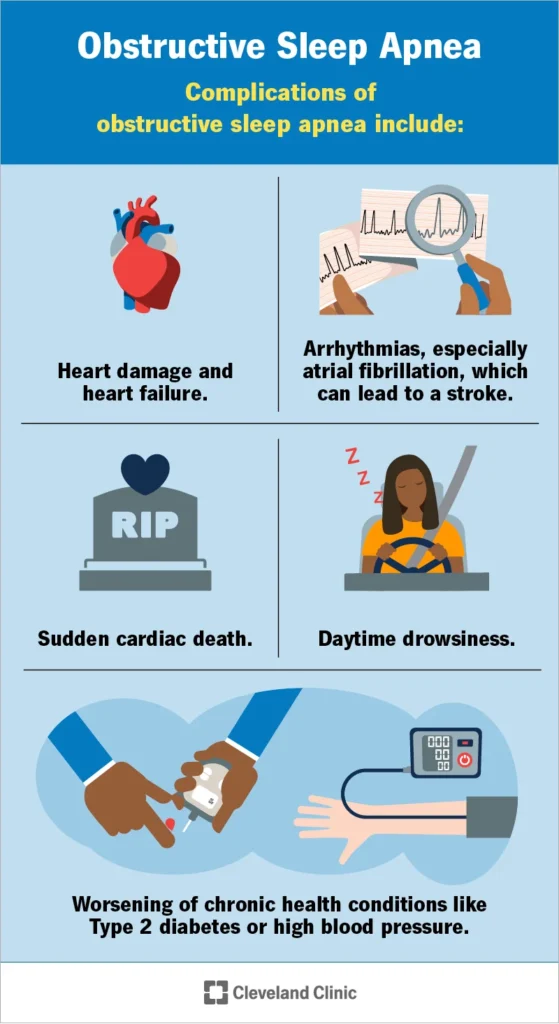
Snoring can be harmless, but it can also show up alongside sleep-disordered breathing. Consider screening with a clinician if you notice any of these:
- Breathing pauses, choking, or gasping during sleep (reported by a partner)
- Excessive daytime sleepiness, morning headaches, or brain fog
- High blood pressure or significant cardiometabolic risk factors
Some recent health coverage has emphasized practical steps people can start quickly, but it also points back to a key idea: if apnea is likely, you need proper evaluation and a plan that matches the severity.
Comfort and jaw health matter
Stop using a mouthpiece and get guidance if you develop jaw pain, tooth pain, gum irritation, or headaches that feel new. “Powering through” can create a second problem.
If you have TMJ issues, ongoing dental problems, or extensive dental work, ask a dentist or clinician before using an oral device. That one step can reduce risk and wasted money.
Quick testing method (simple, not obsessive)
Run a 7–14 night test with one primary change at a time. Keep notes in your phone:
- Bedtime and wake time
- Number of awakenings (rough estimate)
- Morning energy (1–5)
- Partner report: “quiet / some snoring / loud”
This also helps if you end up talking to a clinician. You’ll have a clear timeline instead of a blurry memory.
FAQ: quick answers people want right now
Is a mouthpiece the same as a CPAP?
No. CPAP is a medical therapy commonly used for obstructive sleep apnea. Mouthpieces are consumer or dental devices that may help some types of snoring and, in certain cases, may be part of a clinician-guided plan.
Why do I snore more when I’m stressed or overworked?
Stress often disrupts sleep schedules, increases late-night habits, and worsens sleep depth. Those shifts can make snoring more noticeable and sleep feel less restorative.
Can I combine nasal strategies and a mouthpiece?
Many people try a combined approach because snoring can have multiple triggers. If you do, introduce changes one at a time so you know what helped.
Next step: choose one move you’ll actually stick with
Pick your top goal: quieter nights, better sleep quality, or both. Then choose one intervention to test for two weeks. If red flags show up, prioritize screening over gadgets.
How do anti-snoring mouthpieces work?
Medical disclaimer: This article is for general education only and isn’t medical advice. It doesn’t diagnose, treat, or replace care from a qualified clinician. If you suspect sleep apnea or have chest pain, severe daytime sleepiness, or breathing pauses during sleep, seek medical evaluation.