
You don’t need another sleep gadget collecting dust on your nightstand. You need sleep that feels like sleep.
Snoring is one of those problems that turns into a running joke—until nobody’s laughing at 2 a.m. Travel fatigue, burnout, and weird sleep schedules only make it louder.
Thesis: Use a simple “if…then…” plan to match the right fix to your snoring pattern—then decide if an anti snoring mouthpiece belongs in your routine.
What people are talking about right now (and why it matters)
Sleep advice trends come and go, but the theme stays the same: protect your wind-down time. You’ll see rules like “3-2-1” making the rounds because they’re easy to remember and they reduce late-night stimulation.
If you want a quick overview of that trend, check the The 3-2-1 rule everyone should follow for a good night’s sleep.
At the same time, product reviews and “best of” lists for mouthpieces keep popping up. That tells you something: people want a practical fix that doesn’t require a full bedroom overhaul.
Your branching decision guide: if…then…
Use the branch that matches your real life. Not your ideal routine.
If your snoring spikes after late nights, stress, or travel… then start with timing + wind-down
Workplace burnout and jet lag push your body into shallow sleep. That’s when snoring can get more noticeable, especially if you’re crashing hard.
Try a simple rhythm first. Keep your last hour boring on purpose: dim lights, quieter content, and a consistent bedtime target. If you follow a “3-2-1” style rule, treat it as guardrails, not a test you can fail.
Where a mouthpiece fits: If snoring still bothers your partner even when your schedule is steadier, a mouthpiece can be the next tool—not the first panic buy.
If your partner says you snore most when you sleep on your back… then use positioning before hardware
Back-sleeping often makes the airway more collapsible for some people. You don’t need to perfect side-sleeping forever. You just need fewer hours flat on your back.
Start with pillow support or a simple positional strategy. Keep it comfortable so you’ll actually stick with it.
Where a mouthpiece fits: If you still drift onto your back and the snoring returns, an anti snoring mouthpiece may help by supporting airway openness even when position isn’t perfect.
If you wake with dry mouth or your nose feels blocked… then address airflow comfort first
Mouth breathing can dry tissues and make sleep feel rough. It can also amplify the “chainsaw” effect in a shared room.
Focus on nasal comfort: gentle rinsing if it helps you, humidity, and reducing bedroom irritants. Keep changes simple and consistent.
Where a mouthpiece fits: Some people do better with a mouthpiece once nasal comfort improves, because the whole system feels less strained.
If you want a low-effort tool you can test quickly… then consider an anti snoring mouthpiece
This is the branch for the person who’s tired of experimenting with apps, trackers, and “smart” everything. A mouthpiece is tangible. It either feels workable or it doesn’t.
Many anti-snoring mouthpieces are designed to gently bring the lower jaw forward (a mandibular advancement approach). That can reduce vibration in the throat for certain snorers.
- Comfort check: Start conservatively. A device that’s too aggressive can cause jaw soreness.
- Fit check: Follow the fitting directions closely if it’s moldable. Small fit issues can ruin comfort.
- Consistency check: Give yourself a short adjustment window. Your mouth may need a few nights to adapt.
If you’re comparing styles, you can browse anti snoring mouthpiece to get a sense of what features people look for (adjustability, materials, and ease of cleaning).
If snoring comes with gasping, choking, or heavy daytime sleepiness… then don’t “hack” it
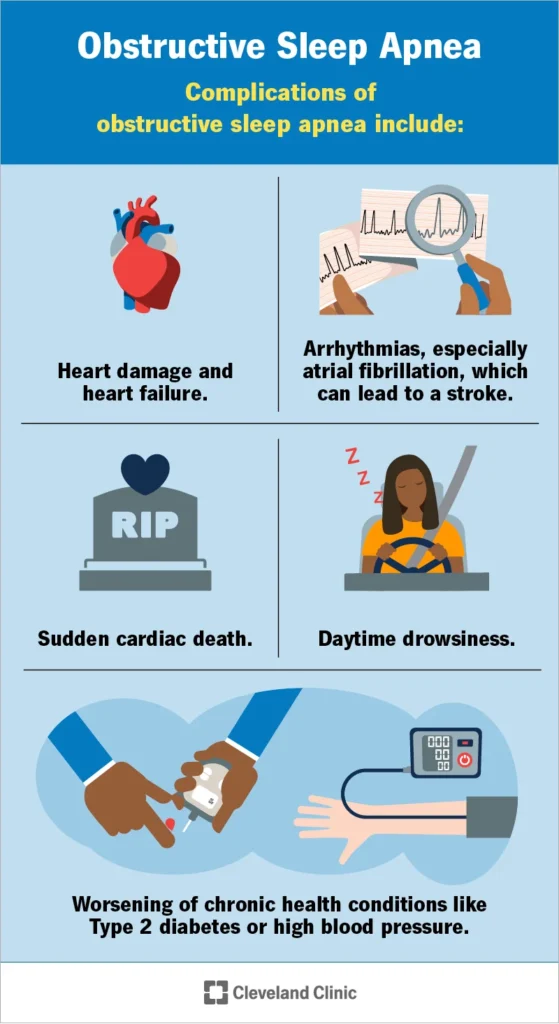
Snoring isn’t always just noise. It can overlap with sleep apnea symptoms, and sleep apnea is linked with serious health risks, including cardiovascular strain.
If you notice breathing pauses, wake-ups with a snort, morning headaches, or you’re fighting sleep during the day, talk with a clinician. A mouthpiece may still be part of a plan, but screening matters first.
Tools and technique: make a mouthpiece easier to live with
Most mouthpiece failures aren’t dramatic. They’re small annoyances that pile up until you quit.
ICI basics: introduce, check, iterate
- Introduce: Wear it briefly before sleep to reduce the “foreign object” feeling.
- Check: Notice jaw tension, tooth pressure, or drooling. Mild is common early. Sharp pain is not.
- Iterate: Adjust only as directed. More forward isn’t automatically better.
Comfort and positioning: the two levers that matter most
Comfort drives consistency. Positioning drives results. If either one fails, the whole experiment fails.
If your jaw feels tight in the morning, back off on advancement if the device allows it. If you can’t get comfortable after a reasonable trial, stop and reassess.
Cleanup that doesn’t become a chore
Rinse after use, then clean with a simple routine that matches the product instructions. Let it dry fully before storing it. A case helps keep it from turning into a “mystery item” at the bottom of your bag during travel.
Quick FAQ recap
Will it fix my sleep quality? It can reduce snoring for some people, which may improve sleep continuity for you and your partner. Sleep quality also depends on schedule, stress, and breathing health.
Do I need a dentist-made device? Some people do best with custom options, especially if they have dental work, jaw issues, or persistent symptoms. Others start with over-the-counter devices to see if the concept helps.
Call to action: make the next step obvious
If snoring is hurting your sleep or your relationship, you don’t need a perfect plan. You need the next right move.
How do anti-snoring mouthpieces work?
Medical disclaimer
This article is for general education only and isn’t medical advice. Snoring can have many causes, including sleep apnea. If you have choking/gasping at night, witnessed breathing pauses, chest pain, severe daytime sleepiness, or concerns about your heart or breathing, seek medical evaluation.