
Will a mouthpiece actually quiet snoring?
Is your sleep quality the real issue, not just the noise?
And how do you try an anti snoring mouthpiece without making things worse?
Yes, some mouthpieces help. But the bigger win is better sleep and fewer next-day crashes. And you can test options in a way that’s safer, cleaner, and easier to document.
Big picture: why snoring is suddenly everyone’s topic again
Sleep has become a full-on “performance” category. People track it with rings, apps, smart alarms, and travel-friendly gadgets. That’s partly because work stress and burnout are up, and partly because nobody wants to feel wrecked after a red-eye or a long week.
Snoring sits right in the middle of this trend. It’s loud, obvious, and it often correlates with fragmented sleep. Recent coverage has also pointed to new research and device testing in this space, including a The ultimate guide to better sleep with Dr. Sophie, sleep scientist & Royal Marines consultant. Translation: people want solutions that are tested, not just hyped.
Emotional reality: snoring is a relationship problem before it’s a health plan
Snoring jokes land because they’re relatable. One person sleeps; the other scrolls at 2 a.m. Then both show up tired, short-tempered, and running on caffeine.
It also creates a weird feedback loop. The snorer may feel blamed. The partner may feel ignored. Add travel fatigue or a stressful quarter at work, and the “small” issue becomes a nightly argument.
That’s why the goal isn’t “win the debate.” It’s “reduce disruption.” Pick a plan that respects both people’s sleep.
Practical steps: what to try before (and alongside) a mouthpiece
Snoring has multiple drivers. A mouthpiece targets one common pathway: airway narrowing when the jaw and soft tissues relax during sleep. Before you buy anything, run a quick, low-risk checklist for 7–10 nights.
Step 1: Track the pattern (simple, not obsessive)
Use a notes app. Log three items: bedtime, alcohol late in the evening (yes/no), and whether snoring was “none / some / loud.” If you share a bed, ask for a quick rating in the morning. Keep it neutral.
Step 2: Change one variable at a time
- Side sleeping: Many people snore more on their back. Try a positional change first.
- Nasal comfort: Congestion can push you into mouth breathing. Address dryness and allergies in a basic way that’s appropriate for you.
- Evening timing: Heavy late meals and alcohol can worsen snoring for some people. Test earlier dinners and lighter nights.
If those reduce the problem but don’t solve it, you’ve learned something useful: your snoring is modifiable. That’s when an oral device may be worth a controlled trial.
Step 3: Where an anti snoring mouthpiece fits
Most anti-snoring mouthpieces are designed to position the lower jaw slightly forward to help keep the airway more open. People are talking about them right now because they’re a “do something tonight” option—especially compared with solutions that require appointments, travel, or long lead times.
If you’re shopping, start by reviewing anti snoring mouthpiece and match the product style to your comfort level and risk tolerance.
Safety and testing: reduce risk and document your choice
This is the part most people skip. Don’t. Mouthpieces sit in a warm, moist environment and apply force to the jaw. You want comfort, hygiene, and a clear stop rule.
Red flags: don’t DIY your way past these
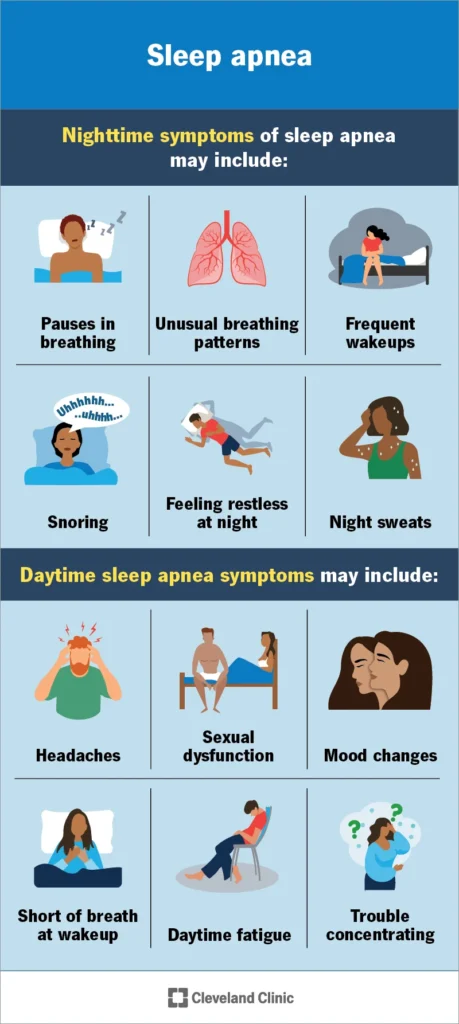
- Choking/gasping at night, witnessed breathing pauses, or severe daytime sleepiness
- High blood pressure concerns, morning headaches, or waking with a racing heart
- Significant jaw pain, jaw locking, or a history of TMJ flare-ups
- Loose teeth, untreated dental pain, or major gum issues
If any of these apply, prioritize screening with a clinician or dentist. Snoring can overlap with sleep apnea, and that needs proper evaluation.
Run a “two-week trial” the safe way
- Night 1–3: Short wear periods to test comfort and gag reflex. Don’t power through sharp pain.
- Night 4–14: Full-night use if comfortable. Keep logging snoring intensity and next-day energy.
- Stop rules: New bite changes, persistent jaw pain, tooth pain, gum irritation, or sores that don’t improve.
Also document the basics: product name, when you started, cleaning routine, and any symptoms. If you later talk to a dentist or sleep clinician, you’ll have clean notes instead of vague memories.
Hygiene and infection-risk basics
Rinse after use, brush gently with mild soap, and let it dry completely. Store it in a ventilated case. Replace it if it cracks, warps, or develops persistent odor.
Avoid sharing devices. Don’t use harsh cleaners unless the manufacturer explicitly says they’re safe for that material.
FAQ
Do anti-snoring mouthpieces stop snoring for everyone?
No. They often help when jaw position plays a role, but results vary. Your log will tell you if it’s a fit.
Is snoring always a sign of sleep apnea?
No, but it can be. If snoring comes with gasping, breathing pauses, or major daytime sleepiness, get screened.
Can I use an anti-snoring mouthpiece if I have TMJ?
Be cautious. Some people tolerate them well; others flare. If you have jaw symptoms, dental input is the safer route.
How long does it take to get used to a mouthpiece?
Often several nights to a few weeks. Comfort should trend better, not worse.
What’s the safest way to clean a mouthpiece?
Daily rinse, gentle cleaning, thorough drying, and a clean case. Follow the brand’s instructions for the specific material.
CTA: get a clear answer, not another gadget drawer
If snoring is hurting your sleep quality—or your partner’s—choose one approach, test it for two weeks, and document the results. That’s how you avoid endless trial-and-error purchases.
How do anti-snoring mouthpieces work?
Medical disclaimer: This article is for general education only and is not medical advice. It does not diagnose or treat any condition. If you suspect sleep apnea, have significant daytime sleepiness, or have dental/jaw problems, talk with a qualified clinician or dentist.