
Is your snoring getting worse lately? Are you waking up tired even after “enough” hours? And are you tempted by viral sleep hacks because you just want something to work?
You’re not alone. Between new sleep gadgets, burnout-heavy workweeks, and travel fatigue that wrecks routines, people are chasing quick fixes. Some trends are harmless. Others deserve caution. This guide focuses on what’s practical at home, what’s worth your money, and where an anti snoring mouthpiece can fit into a smarter sleep-health plan.
Big picture: why snoring feels louder right now
Snoring isn’t just “noise.” It can be a sign your airflow is partially blocked during sleep. That can fragment rest for you and anyone within earshot.
It’s also having a cultural moment. Social feeds are full of “sleep maxing,” wearable scores, and bedtime upgrades. Add a partner who jokes about “sleep divorce,” and suddenly snoring becomes a relationship topic, not just a health one.
One viral idea making the rounds is taping the mouth at night. Some scientists and clinicians have warned that this trend isn’t a safe DIY solution for everyone, especially if nasal breathing is limited or sleep apnea is possible. If you want the broader context, see Scientists warn against viral nighttime mouth-taping trend.
The emotional side: sleep loss hits harder than people admit
Snoring can create a nightly negotiation. Who gets the “good pillow”? Who turns first? Who ends up on the couch?
It’s also easy to spiral into gadget overload. You buy a new pillow, then a nasal strip, then a humidifier. Nothing changes, and you feel like you wasted a whole cycle.
A better approach is to pick one or two interventions, track what changes, and keep the goal simple: quieter breathing and more refreshing sleep.
Practical steps: a budget-first plan you can do at home
Think of this as a short experiment. You’re not trying everything. You’re trying the right things in the right order.
Step 1: Confirm what’s actually happening at night
Before you spend money, get basic data:
- Record audio for 2–3 nights (a phone on the nightstand works).
- Note timing: early night vs. morning snoring can hint at different triggers.
- Track how you feel: headaches, dry mouth, daytime sleepiness, irritability.
This helps you judge improvements later. It also keeps you from chasing vibes instead of results.
Step 2: Fix the “free” stuff that often makes snoring worse
- Side-sleep support: a body pillow or simple positioning can reduce back-sleep snoring for many people.
- Alcohol timing: late drinks can relax airway muscles and worsen snoring.
- Travel recovery: after long flights or late nights, snoring often flares. Prioritize hydration and a consistent wind-down.
These don’t require a cart full of products. They also stack well with a mouthpiece if you decide to try one.
Step 3: Where an anti snoring mouthpiece fits
If snoring is frequent and you suspect your jaw or tongue position is part of the issue, an anti-snoring mouthpiece can be a practical next step. Many are designed to gently hold the lower jaw forward or stabilize the mouth in a way that supports airflow.
For a starting point on product types and what to look for, review anti snoring mouthpiece. Keep your expectations realistic: comfort and fit often determine whether it helps you stick with it.
Safety and testing: avoid risky shortcuts, measure outcomes
It’s tempting to choose the most dramatic hack. The safer move is the one you can repeat nightly without creating new problems.
Don’t ignore sleep apnea red flags
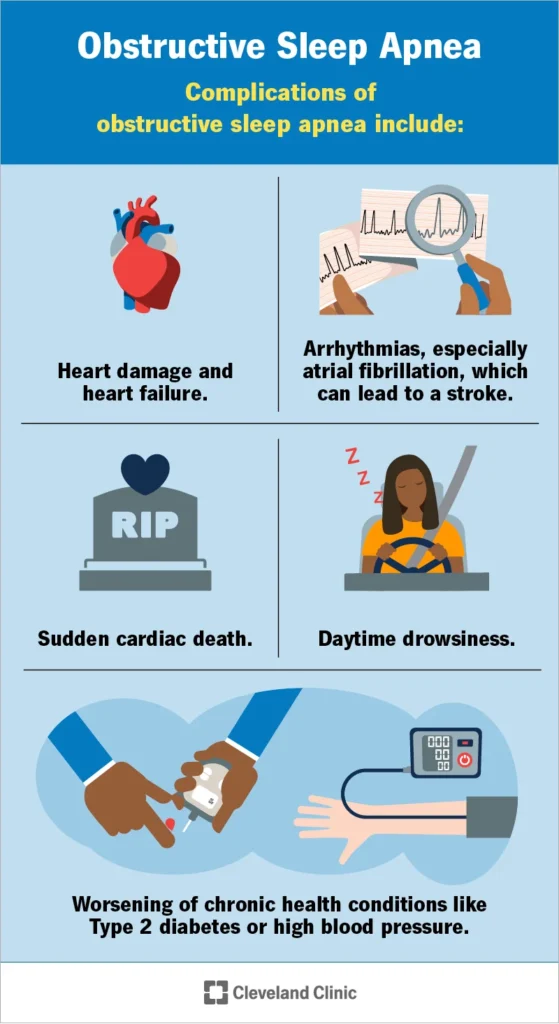
Snoring can overlap with sleep apnea, a condition linked to breathing interruptions during sleep. If you have loud snoring plus choking/gasping, witnessed pauses in breathing, or heavy daytime sleepiness, it’s worth getting evaluated. Mayo Clinic has an accessible overview here: sleep apnea symptoms and causes.
How to run a 14-night “did it help?” test
- Nights 1–3: baseline (audio + how you feel).
- Nights 4–14: use the mouthpiece consistently (unless it causes pain or significant discomfort).
- Track 3 outcomes: snoring volume/frequency, morning dryness/headache, daytime energy.
If the only change is “my partner says it’s slightly better,” that’s still data. If you feel more rested too, that’s the win.
Comfort checks that matter
- Jaw soreness that persists can be a sign of poor fit or too-aggressive positioning.
- Tooth or gum pain is a stop sign.
- Breathing feels harder at night? Don’t force it—get medical advice.
FAQ
Is snoring always a problem?
Not always, but frequent loud snoring can signal disrupted sleep and, for some people, a condition like sleep apnea. If symptoms are persistent, get checked.
Can an anti snoring mouthpiece help right away?
Some people notice less snoring quickly, but comfort and fit matter. Give it a short trial period and track sleep quality, not just noise.
What’s the difference between viral mouth-taping and a mouthpiece?
Mouth-taping aims to keep lips closed, while many mouthpieces are designed to change jaw or tongue position. If you have breathing issues, taping can be risky.
How do I know if I should see a clinician for snoring?
Seek medical advice if you have choking/gasping at night, witnessed breathing pauses, severe daytime sleepiness, or high blood pressure concerns.
Do mouthpieces work if I sleep on my back?
Back-sleeping can worsen snoring for many people. A mouthpiece may still help, but combining it with side-sleep strategies often improves results.
Are over-the-counter mouthguards the same as anti-snoring mouthpieces?
No. Sports mouthguards protect teeth; anti-snoring mouthpieces are shaped to influence airflow by positioning the jaw or tongue.
CTA: choose the next step (and keep it simple)
If you’re done wasting money on random sleep “upgrades,” pick a plan you can actually follow. Start with a short baseline, then test one change at a time.
How do anti-snoring mouthpieces work?
Medical disclaimer: This article is for general education only and isn’t medical advice. It does not diagnose or treat any condition. If you suspect sleep apnea, have breathing pauses, chest pain, severe daytime sleepiness, or persistent jaw/tooth pain, talk with a qualified clinician.