
Snoring is having a moment—again. Between new sleep gadgets, “biohacking” trends, and people joking about partner-proof bedrooms, the conversation keeps getting louder.
Under the humor is a real issue: poor sleep quality can snowball into low energy, cranky mornings, and burnout that follows you to work.
Thesis: If snoring is stealing your rest, an anti snoring mouthpiece can be a practical, low-drama tool—when you focus on fit, comfort, and clean setup.
What people are talking about right now (and why)
Sleep content is everywhere: wearables, apps, smart alarms, and travel recovery routines. People also swap “snore hacks” like side-sleeping tricks, nasal strips, and humidifiers.
Another theme shows up in public discussions about benefits and documentation for sleep-related conditions, including guides that explain how sleep apnea can be evaluated for disability claims. If you’ve seen a Sleep Apnea VA Rating Guide: How to Get 50% or Higher, it’s part of a bigger cultural shift: people want their sleep taken seriously.
Meanwhile, relationship humor is doing its job. “You snore, I can’t sleep” is a classic. But the fix doesn’t have to be a spare-room ultimatum.
What matters medically (snoring vs. sleep apnea)
Snoring usually happens when airflow gets noisy as tissues in the upper airway vibrate. It can spike with congestion, alcohol, sleeping on your back, or plain old exhaustion.
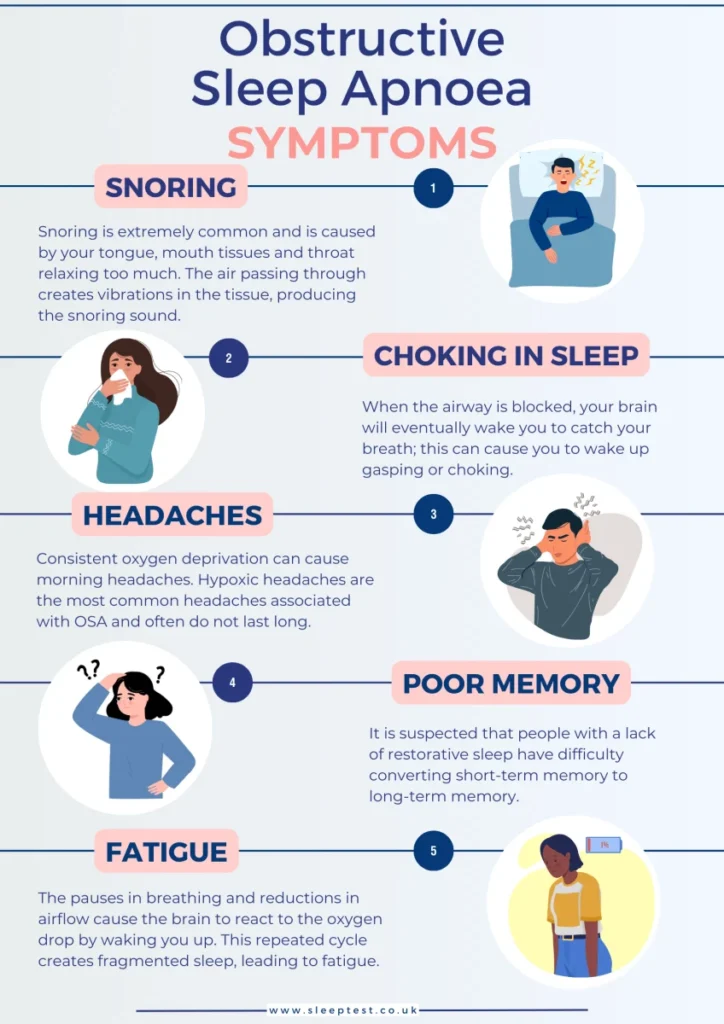
Sleep apnea is different. It involves repeated breathing interruptions during sleep. Many reputable medical sources describe common signs such as loud snoring, gasping or choking, and daytime sleepiness.
Red flags that deserve attention
- Witnessed pauses in breathing
- Gasping, choking, or waking up panicked
- Morning headaches or dry mouth that won’t quit
- Excessive daytime sleepiness, near-misses while driving
- High blood pressure concerns or new heart-related worries
If any of these fit, treat it as a health conversation, not just a “snoring problem.”
Medical disclaimer: This article is for general education and does not diagnose, treat, or replace care from a clinician. If you suspect sleep apnea or have concerning symptoms, seek medical evaluation.
How to try at home (tools + technique that actually help)
If your goal is better sleep quality, keep the plan simple: reduce airway crowding, improve comfort, and make the setup easy to repeat.
1) Start with the basics: position, routine, and airflow
Side-sleeping often reduces snoring for back-snorers. A supportive pillow can help keep your head and neck neutral.
On travel weeks, aim for consistency over perfection. Late meals, alcohol, and dehydration can make snoring worse for some people, especially when you’re already fatigued.
2) Where an anti snoring mouthpiece fits in
An anti snoring mouthpiece typically works by encouraging a more forward jaw position (or stabilizing oral posture) to help keep the airway more open. The best one is the one you can wear comfortably, night after night.
If you’re comparing options, look for an approach that supports comfort and stability. Some people like a combo setup that also supports closed-mouth sleep.
Example: a anti snoring mouthpiece can appeal to people who wake up with a dry mouth or notice mouth-breathing at night.
3) ICI basics: insert, comfort, iterate
- Insert: Put it in before you’re fully drowsy so you can check the feel and bite alignment.
- Comfort: Your teeth should feel supported, not pressured. Your jaw should feel guided, not forced.
- Iterate: Make small adjustments over several nights. Big changes tend to backfire.
If you wake up and spit it out, that’s normal early on. Try a shorter “break-in” window for a few nights, then extend wear time.
4) Cleanup and upkeep (don’t skip this)
Rinse after use and clean it daily per the product instructions. A quick routine helps with odor, buildup, and overall comfort.
Store it dry in a ventilated case. Replace it if it warps, cracks, or stops fitting correctly.
When to get help (and what to ask for)
Get medical help if snoring comes with choking/gasping, witnessed pauses, or significant daytime sleepiness. Ask about a sleep evaluation and whether sleep apnea testing makes sense.
Also consider a dental professional if you have jaw pain, TMJ symptoms, loose teeth, gum issues, or significant dental work. Mouthpieces change forces in the mouth, so guidance matters when your starting point is complex.
If you’re pursuing documentation for benefits, keep records of symptoms, testing, and treatments. Administrative processes vary, and a clinician can help you document appropriately.
FAQ
Can an anti snoring mouthpiece help if I only snore sometimes?
It can, especially if your snoring is position-related or worse after alcohol, congestion, or travel fatigue. Fit and comfort matter most for occasional snorers.
Is snoring always a sign of sleep apnea?
No. Many people snore without sleep apnea. But loud, frequent snoring plus choking/gasping, witnessed pauses, or daytime sleepiness can be a red flag.
How long does it take to get used to a mouthpiece?
Many people adapt over several nights to a couple of weeks. A gradual break-in and small fit adjustments usually help.
What’s the difference between a mouthpiece and a chinstrap?
A mouthpiece typically positions the jaw or tongue to keep the airway more open. A chinstrap may encourage the mouth to stay closed, which can reduce mouth-breathing and dryness for some people.
What if my jaw hurts in the morning?
Mild soreness can happen early on, but sharp pain or ongoing jaw clicking isn’t something to push through. Stop using it and consider a dental or medical evaluation.
CTA: make the next night easier
If you’re ready to test a simple, repeatable setup, start with comfort-first fit and a consistent routine. Small changes add up when you do them every night.