
Before you try an anti snoring mouthpiece, run this quick checklist:
- Track the pattern: Is snoring nightly or only after alcohol, late meals, or travel?
- Check the “red flags”: choking/gasping, pauses in breathing, high daytime sleepiness, morning headaches.
- Know your goal: quieter nights, better sleep quality, or both.
- Pick a realistic test window: give any change 7–14 nights, not one night.
- Protect comfort: jaw pain and poor fit can backfire and disrupt sleep.
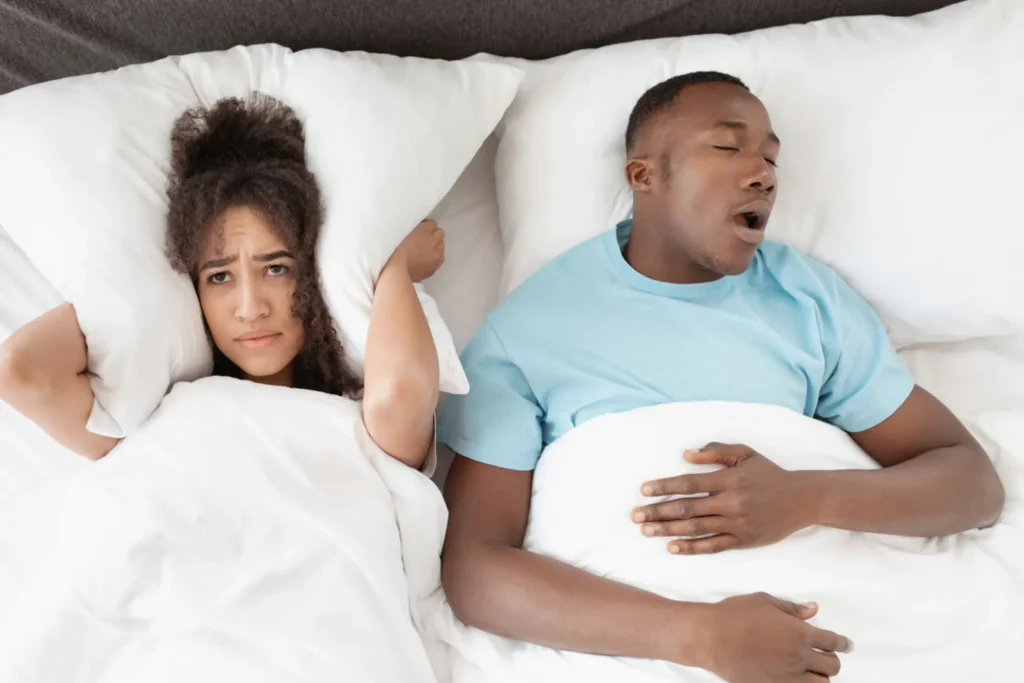
Snoring is having a moment in the culture. Sleep trackers, “smart” rings, white-noise machines, and travel recovery hacks are everywhere. So is the relationship humor: one person chasing “optimized sleep,” the other just wanting the room to stop sounding like a leaf blower. Under the jokes is a real point. Sleep quality affects mood, focus, and how burned out you feel at work.
Why is everyone suddenly talking about snoring and sleep health?
Two things are happening at once. First, people are paying more attention to sleep metrics and morning energy. Second, more headlines are pointing to snoring and sleep apnea as issues that deserve real evaluation, not just a shrug.
Clinicians and researchers keep refining how snoring and sleep-disordered breathing are assessed and treated. If you want a sense of what professionals discuss, see this search-style reference on 31st Annual Advances in Diagnosis and Treatment of Sleep Apnea and Snoring.
What’s the real difference between “snoring” and “bad sleep”?
Snoring is noise from vibration in the airway. Bad sleep is the outcome you feel the next day. They overlap, but they are not identical.
Some people snore and still feel okay. Others snore and wake up repeatedly without realizing it. That second group often reports brain fog, irritability, and a “why am I exhausted?” feeling that coffee can’t fix.
Common sleep-quality clues people notice
- Waking with a dry mouth or sore throat
- Needing naps you didn’t used to need
- Falling asleep easily but waking unrefreshed
- Partner reports loud snoring, pauses, or gasping
Could an anti snoring mouthpiece help, and how?
An anti snoring mouthpiece is usually designed to keep the lower jaw and/or tongue from falling back during sleep. That can reduce airway narrowing, which may reduce vibration and noise.
Think of it like changing the “shape” of the airflow path. When the airway is less crowded, air moves with less turbulence. Less turbulence often means less snoring.
Who tends to do well with mouthpieces?
- People whose snoring is worse on their back
- People who notice snoring spikes after fatigue or travel
- Partners who want a non-electronic option (no charging, no apps)
Who should be extra cautious?
- Anyone with jaw pain, significant TMJ symptoms, or loose dental work
- Anyone with strong signs of sleep apnea (ask a clinician)
- People who can’t breathe well through the nose most nights
What are people trying right now besides mouthpieces?
Sleep trends often start with gadgets, then circle back to basics. You’ll see both in the wild: wearable sleep scores and old-school changes like side sleeping.
Low-effort changes that pair well with a mouthpiece
- Alcohol timing: many people snore more after evening drinks.
- Side-sleep support: a pillow setup that keeps you off your back.
- Wind-down consistency: burnout makes bedtime chaotic; routine helps.
- Travel recovery: dehydration and odd sleep positions can worsen snoring.
These aren’t magic. They are useful because they reduce the “stacking” of triggers that turn mild snoring into an all-night event.
How do you choose a mouthpiece without overthinking it?
Keep it simple: comfort, stability, and whether you can actually sleep with it in. A mouthpiece that sits in a drawer doesn’t improve sleep quality.
If you want a starting point that combines two approaches people often use together, you can look at an anti snoring mouthpiece. The idea is straightforward: support jaw positioning and encourage closed-mouth breathing for some sleepers.
Quick “fit reality” checks
- You can close your lips comfortably.
- You don’t feel forced into an extreme jaw position.
- You can tolerate it for at least a few hours at first.
- Morning jaw stiffness fades as you adapt, not worsens each day.
When should snoring trigger a medical conversation?
Snoring can be harmless, but it can also be a sign of sleep apnea. If you see repeated breathing pauses, choking, or severe daytime sleepiness, don’t self-manage in silence. A clinician can help you decide whether testing makes sense and what options fit your situation.
Medical disclaimer: This article is for general education only and is not medical advice. It does not diagnose, treat, or replace care from a qualified clinician. If you suspect sleep apnea or have significant symptoms, seek professional evaluation.
Common questions people ask (and quick answers)
- “Why did my snoring get worse this year?” Stress, weight changes, alcohol timing, nasal congestion, and sleep position can all shift over time.
- “Is my sleep tracker accurate?” It can be useful for trends, but it can’t confirm apnea on its own.
- “Can my partner and I stop fighting about this?” Yes. Treat snoring as a shared sleep-quality project, not a character flaw.
Ready to learn the basics before you buy?
How do anti-snoring mouthpieces work?
If you’re aiming for better sleep without turning bedtime into a tech project, start with the checklist, pick one change, and test it for two weeks. Quiet nights are great. Rested mornings are the real win.