
Snoring is funny until it isn’t. One person is “sleeping,” the other is counting ceiling cracks and plotting a pillow barricade.
Then the next day shows up: short fuse, brain fog, and that low-grade resentment nobody wants to name.
If snoring is stealing sleep quality, an anti snoring mouthpiece can be a practical, low-drama step—when you choose it well and use it correctly.
Overview: why snoring is such a big deal right now
Sleep has become a full-on culture topic. People swap tips like they swap phone chargers: wearables, sleep apps, sunrise lamps, “military” wind-down routines, and travel recovery hacks.
At the same time, conversations about sleep apnea have gotten louder in mainstream health coverage. That includes basics like warning signs and causes, plus practical “what can I do tonight?” checklists. If you want a reputable overview of red flags, see Sleep Apnea VA Rating Guide: How to Get 50% or Higher.
For couples, snoring is also a relationship problem. It can trigger separate bedrooms, jokes that stop being jokes, and those 2 a.m. arguments that feel huge at the time.
Timing: when a mouthpiece makes sense (and when to pause)
Try a mouthpiece when snoring is frequent, your partner reports loud noise, and you wake up feeling under-rested. It’s especially relevant if the snoring seems tied to sleep position, alcohol late at night, congestion, or jaw/tongue posture.
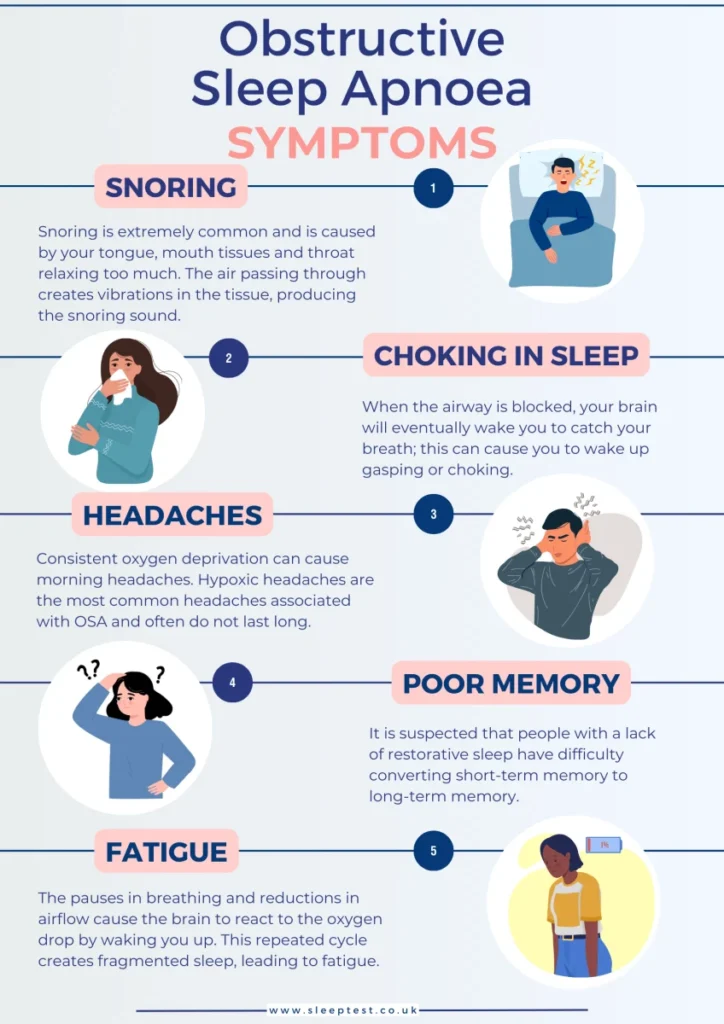
Pause and get medical advice sooner if you have signs that suggest something more serious. Examples include choking or gasping during sleep, witnessed breathing pauses, severe daytime sleepiness, or high blood pressure concerns. Snoring can be “just snoring,” but it can also overlap with sleep apnea.
Also consider timing in your life. If you’re in a burnout stretch at work, or you’re traveling and constantly wrecking your schedule, your sleep may be fragile. In those weeks, comfort matters more than perfection.
Supplies: what you need before night one
The basics
- An anti snoring mouthpiece that matches your needs and comfort level.
- A case that ventilates (so it can dry).
- A simple cleaning routine (gentle soap and cool water, unless the product instructions say otherwise).
Optional add-ons that people are talking about
- Chin strap if you tend to mouth-breathe or wake with a dry mouth.
- Nasal support like saline rinse or nasal strips if congestion drives your snoring.
- A low-tech sleep plan: consistent bedtime, darker room, and less late-night scrolling.
If you’re comparing setups, a combo can be convenient. Here’s an example of a anti snoring mouthpiece that’s designed to cover both jaw position and mouth opening.
Step-by-step (ICI): implement, check, iterate
1) Implement: set yourself up for a fair test
Pick a calm week if you can. If you’re in the middle of a work crunch or coming off a red-eye flight, your sleep may be noisy for reasons a mouthpiece can’t fully fix.
Follow the fitting instructions precisely. A mouthpiece that’s “kind of” fitted often becomes the one you abandon in a drawer.
2) Check: track the signals that matter
Don’t judge success only by “Did my partner nudge me?” Use a simple checklist for 7–14 nights:
- Partner reports: volume, frequency, and whether it stopped in certain positions
- Your morning: dry mouth, jaw comfort, headaches, how refreshed you feel
- Your day: sleepiness, focus, irritability (yes, that counts)
If you use a sleep wearable, treat it as supporting data, not a verdict. Gadgets can help you notice trends, but they don’t replace how you feel or what a partner hears.
3) Iterate: adjust without overcorrecting
Small tweaks beat big swings. If your device is adjustable, avoid jumping to maximum advancement right away. Comfort drives consistency, and consistency drives results.
Pair the mouthpiece with one behavior change at a time. For many people, that’s side-sleeping or cutting off alcohol earlier in the evening.
Most importantly, talk about it. A two-minute check-in with your partner (“Better, worse, same?”) prevents the silent frustration loop.
Mistakes that sabotage comfort and sleep quality
Expecting one-night miracles
Some people get a quick win. Others need a short break-in period for fit and jaw comfort. Give it a real trial unless you feel pain or worsening symptoms.
Ignoring nasal congestion
If your nose is blocked, your body will fight to breathe through your mouth. That can make snoring louder and mouthpieces harder to tolerate.
Over-tightening the “solution”
More force isn’t automatically more effective. Over-advancing a jaw-positioning device or cranking a chin strap too tight can create soreness and make you quit.
Missing the bigger sleep-health picture
Snoring often shows up alongside stress, inconsistent sleep times, and late-night screens. A mouthpiece can help, but it works best as part of a sleep-friendly routine.
FAQ
Do anti-snoring mouthpieces work for everyone?
No. They’re a good fit for some patterns of snoring, especially when jaw or tongue position plays a role. Other causes may need different approaches.
How fast should an anti snoring mouthpiece help?
Some notice improvement within days. Comfort, seal, and routine usually take a week or two to stabilize.
Can a mouthpiece help if I might have sleep apnea?
Snoring and sleep apnea can overlap, but they aren’t identical. If you suspect apnea, get evaluated and follow clinical guidance.
What if my jaw feels sore in the morning?
Mild early soreness can happen. Re-check fit, avoid aggressive settings, and stop use if pain is significant or persistent.
Is a chin strap necessary with a mouthpiece?
Not always. It can help if you sleep with your mouth open or you wake with dry mouth, especially during allergy season or travel.
CTA: make the next night easier, not perfect
You don’t need a lab-grade sleep setup to reduce snoring tension at home. You need a plan you’ll actually stick with, and a solution that respects comfort.
How do anti-snoring mouthpieces work?
Medical disclaimer: This article is for general education and is not medical advice. Snoring can be a sign of a sleep-related breathing disorder. If you have choking/gasping, witnessed breathing pauses, severe daytime sleepiness, or other concerning symptoms, seek evaluation from a qualified clinician.