
Before you try anything tonight, run this quick checklist:
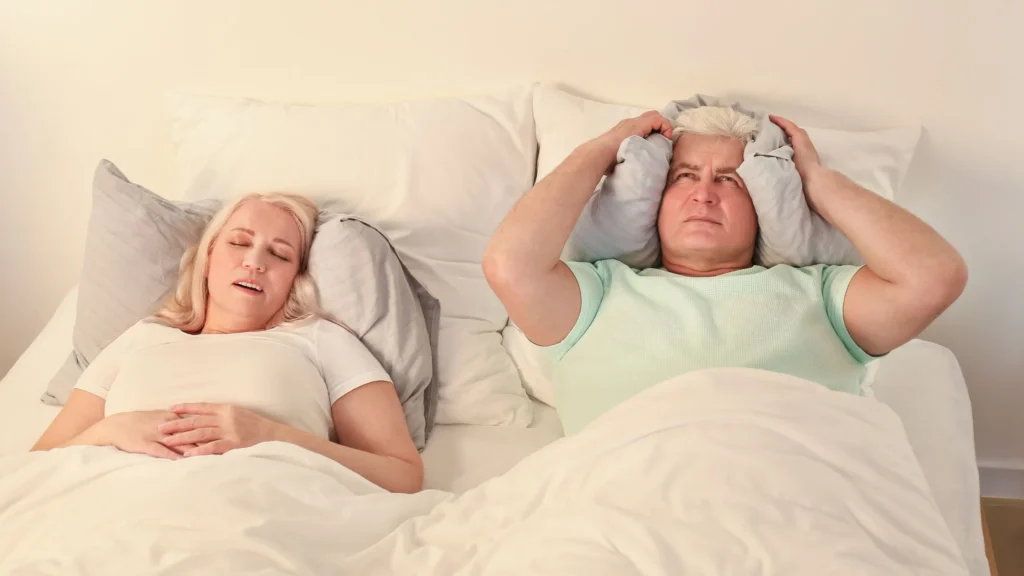
- Is it snoring or “can’t breathe”? If there are pauses, choking, or gasping, treat it as a medical conversation, not a gadget problem.
- Is your nose blocked? Congestion and mouth-breathing can make snoring louder and sleep feel lighter.
- Did travel, alcohol, or burnout spike it? Late flights, hotel pillows, and stress can turn mild snoring into a nightly soundtrack.
- Is your partner losing sleep? The relationship impact is real. Start with a plan, not a fight.
- Do you want a tool you can test at home? An anti snoring mouthpiece is one of the more common “try-it” options.
The big picture: snoring is a sleep-quality problem, not just a noise problem
Snoring gets joked about, especially in couples. Yet the fallout is serious in day-to-day life. Poor sleep can show up as irritability, slower workouts, and that “foggy” feeling at work.
Lately, sleep conversations have also drifted toward performance and breathing. You’ll see more talk about nasal breathing, wearable sleep scores, and “biohacking” routines. That’s helpful culture-wise, but you still need a simple goal: more stable, less fragmented sleep.
If you want a general read on the breathing/performance angle, this Could Your Nose Be Key to Better Performance? captures why people are paying attention to the airway right now.
The emotional part: snoring turns into pressure fast
Snoring rarely stays “just funny.” It turns into nudges, midnight elbow taps, and separate-sleep negotiations. Then it becomes a stress loop: one person feels blamed, the other feels abandoned, and both wake up tired.
Burnout makes this worse. When work is heavy, patience is thin. If you’re also dealing with travel fatigue, your sleep window shrinks and every disruption feels bigger.
Try a reset script that keeps it practical: “Let’s test one change for seven nights and see what happens.” A time-boxed trial lowers defensiveness and keeps you from buying every trending sleep gadget.
Practical steps: what to try before (and alongside) a mouthpiece
1) Change the position, change the night
Back-sleeping often makes snoring more likely. Side-sleeping can help some people. A body pillow or a backpack-style positional aid can be a low-effort experiment.
2) Make nasal breathing easier
If you’re congested, you’ll default to mouth-breathing. That can increase vibration in the throat and ramp up snoring. Consider simple, low-risk steps like a humidifier, shower steam, or saline rinse. If symptoms persist, talk to a clinician.
3) Audit the “late-night mistake” category
Headlines love a single “one mistake” framing. Real life is messier. Still, it’s worth checking the common culprits: alcohol close to bedtime, heavy meals late, and inconsistent sleep timing. Even small shifts can affect sleep depth and snoring intensity.
4) Use a two-number scorecard
Skip the complicated dashboards for now. Track two things for a week:
- Snoring impact: Did it wake your partner or push you to the couch?
- Next-day function: Energy, mood, and focus by mid-morning.
If those two numbers improve, you’re moving in the right direction.
Where an anti-snoring mouthpiece fits (and what to look for)
An anti snoring mouthpiece typically aims to reduce snoring by changing jaw or tongue position during sleep. The idea is simple: keep the airway more open so tissues vibrate less.
People often consider a mouthpiece when:
- Snoring is frequent and disruptive.
- Position changes help somewhat, but not enough.
- You want a non-surgical, at-home option to test.
What matters most in the real world is comfort and consistency. A device that “works” in theory won’t help if it hurts, falls out, or keeps you awake.
If you’re comparing options, start with a plain-language overview like these anti snoring mouthpiece and narrow it down to what you can actually tolerate night after night.
Quick fit and comfort checks
- Jaw comfort: Mild adjustment is common; sharp pain isn’t.
- Saliva/dryness: Either can happen early on. It should improve as you adapt.
- Sleep disruption: If the mouthpiece reduces snoring but wrecks your sleep, it’s not a win.
Safety and testing: don’t “power through” the wrong signals
Test one variable at a time for 7–14 nights when possible. That’s long enough to see a pattern, but short enough to avoid dragging out a bad fit.
Stop and get medical guidance if you notice jaw locking, worsening pain, tooth movement concerns, or symptoms like gasping/choking at night. Also talk to a clinician if you have significant daytime sleepiness, morning headaches, or your partner witnesses breathing pauses.
Medical disclaimer: This article is for general education only and is not medical advice. It does not diagnose, treat, or replace care from a licensed clinician. If you think you may have a sleep-related breathing disorder, seek professional evaluation.
FAQ: fast answers people are searching right now
Is snoring always caused by the mouth?
No. Nasal congestion, sleep position, and throat tissue vibration can all contribute. That’s why a simple checklist often beats random gadget buying.
Can a mouthpiece help if I only snore when I’m exhausted?
It might, but start by addressing the trigger. Travel fatigue, stress, and alcohol can be the main drivers. If snoring persists, a mouthpiece trial can be reasonable.
What if my partner says I snore but I feel fine?
Many people don’t notice their own sleep disruption. Use a recording app for a few nights and compare it to how you feel during the day.
CTA: pick a plan you can stick with
If snoring is straining sleep and the relationship, don’t wait for the “perfect” solution. Run a two-week trial with one or two changes and measure the outcome.