
Snoring is the uninvited guest that ruins everyone’s night. It’s also having a moment, thanks to sleep gadgets, wearable scores, and the constant “why am I tired?” conversation at work.
Between travel fatigue, late-night scrolling, and burnout culture, a lot of people are looking for fixes that don’t require a full lifestyle reboot.
If you want better sleep quality without wasting a month (or a paycheck), start with the basics and test an anti snoring mouthpiece the smart way.
The big picture: why snoring is getting so much attention
Snoring used to be a punchline. Now it’s part of a bigger sleep-health trend: people want measurable rest, better mornings, and fewer “I can’t focus” afternoons.
Performance-minded headlines are also pushing the idea that breathing mechanics matter. If you’ve seen discussions about nasal breathing and output, you’ve seen the broader theme: airflow affects sleep, and sleep affects everything else.
For a general read on that performance-and-breathing angle, see this Could Your Nose Be Key to Better Performance?.
The emotional side: snoring is a relationship and energy problem
Snoring doesn’t just interrupt sleep. It creates a nightly negotiation: who turns over, who wears earplugs, who “jokes” about the couch.
In real life, the cost shows up the next day. You feel it in patience, workouts, commute safety, and decision-making at work.
That’s why quick, at-home solutions are trending. People want something they can test this week, not “someday.”
Practical steps first: a no-drama home checklist
Before you buy anything, run a simple two-night baseline. Use a phone snore app or a partner’s notes. Track: snoring volume, wake-ups, and how you feel at 2 p.m.
Step 1: Fix the easy airflow blockers
- Side-sleeping: Back-sleeping can worsen snoring for many people.
- Nasal comfort: If your nose feels blocked at night, address dryness or congestion triggers in your environment.
- Alcohol timing: Many people notice more snoring after late drinks.
Step 2: Decide if a mouthpiece fits your snoring pattern
An anti snoring mouthpiece is usually considered when snoring seems tied to jaw/tongue position or mouth-breathing. The goal is simple: keep the airway more open so airflow is less turbulent.
If you want an option that pairs jaw support with mouth-closure support, consider an anti snoring mouthpiece. That combo approach is popular because it targets two common contributors at once.
Step 3: Test like you mean it (so you don’t waste a cycle)
- Give it a fair window: Comfort and adaptation can take several nights.
- Measure outcomes: Fewer wake-ups and better daytime energy matter more than a perfect “score.”
- Watch your jaw: Mild soreness can happen early. Persistent pain is a stop-and-rethink signal.
Safety and testing: when snoring is more than snoring
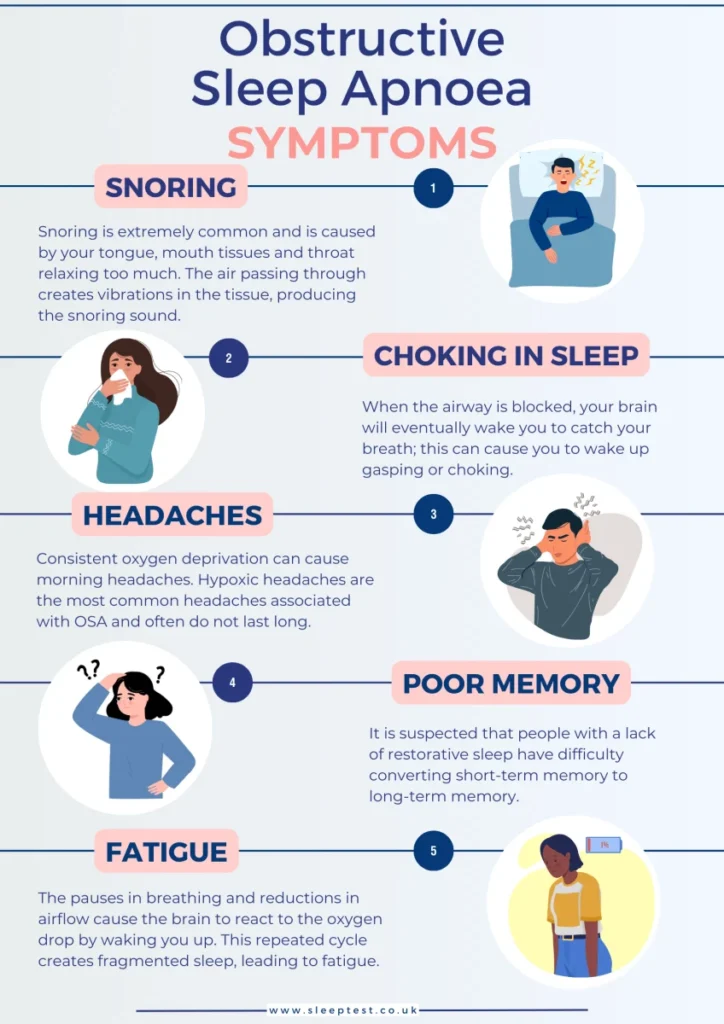
Snoring can be harmless, but it can also overlap with sleep apnea. Sleep apnea is commonly discussed in medical resources as a condition involving breathing interruptions during sleep, and it’s associated with symptoms like loud snoring, gasping, and daytime sleepiness.
Also, you may have seen recent buzz about sleep habits and long-term health risk. Headlines often simplify these topics. Treat them as a prompt to take sleep seriously, not as a reason to panic.
Get medical guidance if you have choking/gasping at night, excessive daytime sleepiness, morning headaches, or high blood pressure. If you’re unsure, a clinician can help you decide whether a sleep study makes sense.
Medical disclaimer: This article is for general information only and is not medical advice. It does not diagnose, treat, or replace care from a qualified clinician. If you suspect sleep apnea or have concerning symptoms, seek professional evaluation.
FAQ: quick answers people are searching for
Do anti-snoring mouthpieces work for everyone?
No. They often help with simple snoring, but they may not help if snoring is driven by untreated sleep apnea, nasal blockage, or certain jaw issues.
How fast should I notice a difference?
Many people notice changes within a few nights, but comfort and fit can take a week or two to dial in. Track snoring and daytime energy to judge progress.
Is snoring always a sign of sleep apnea?
Not always. Snoring can happen without apnea, but loud, frequent snoring plus choking/gasping, morning headaches, or daytime sleepiness can be warning signs.
What’s the difference between a mouthpiece and a chinstrap?
A mouthpiece is designed to change jaw/tongue position or airflow. A chinstrap helps keep the mouth closed to reduce mouth-breathing for some people.
When should I talk to a clinician?
If you suspect sleep apnea, have high blood pressure, wake up gasping, feel excessively sleepy, or snoring persists despite changes, get evaluated.
CTA: make the next step easy
If you’re tired of experimenting with random hacks, pick one change and test it for a week. A mouthpiece is one of the most practical at-home options to trial because you can track results quickly.