
At 2:13 a.m., the hotel room is silent—until it isn’t. One person is out cold after a long travel day. The other is staring at the ceiling, counting snores like it’s a metronome. In the morning, the jokes start (“You tried to chainsaw the pillow again”), but the fatigue feels real.
That mix of relationship humor, travel exhaustion, and “why am I so burned out at work?” is exactly why snoring is getting so much attention right now. People are buying sleep gadgets, trying viral hacks, and watching for new research. You may have seen headlines about dentists focusing more on breathing and sleep, debates about mouth taping, and even a Creative Smiles Dentistry Advances Airway Dentistry to Address Sleep and Breathing Health in Tucson. The point: snoring isn’t just “annoying.” It can crush sleep quality for two people at once.
This guide keeps it practical. You’ll learn how to set up an anti snoring mouthpiece routine using an ICI approach: improve comfort, check positioning, and keep cleanup simple.
Overview: why snoring keeps showing up in sleep conversations
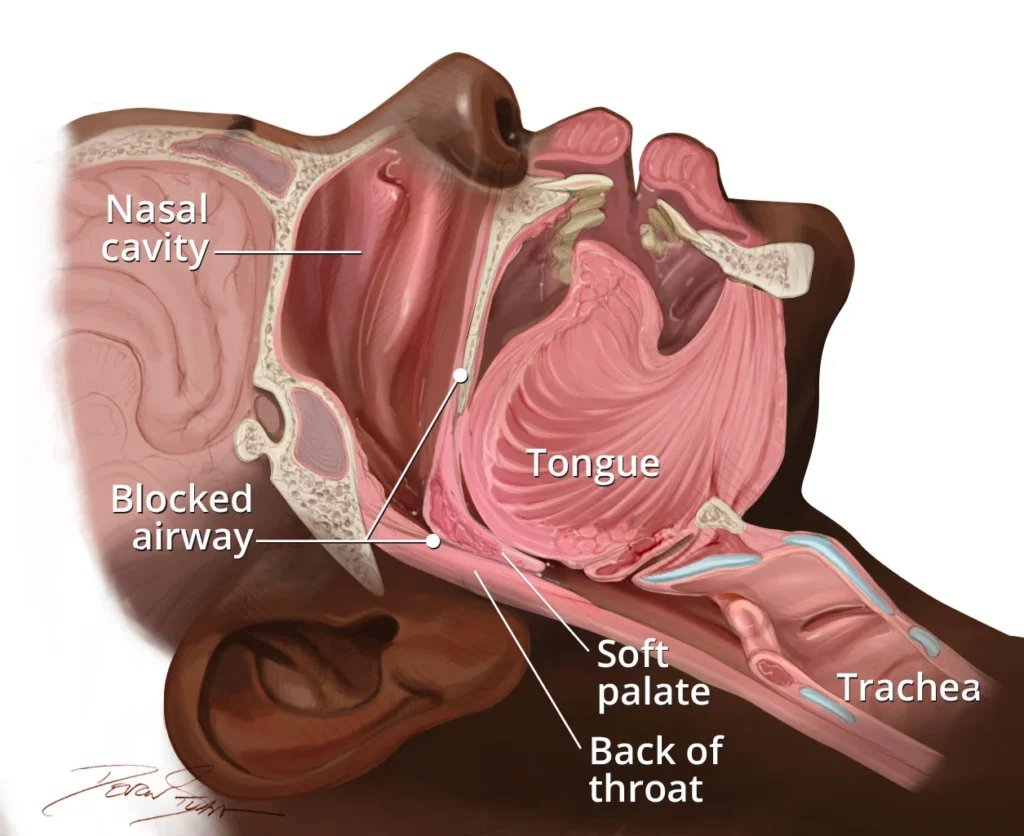
Snoring usually happens when airflow is partially blocked and soft tissues vibrate during sleep. That can be influenced by sleep position, nasal congestion, alcohol, stress, and jaw/tongue placement.
What’s “new” culturally is the way people talk about it. Sleep tracking rings, smart pillows, and app alarms are everywhere. Workplace burnout has made “good sleep” feel like a productivity tool. And couples are openly comparing solutions—from guest-room diplomacy to mouthpieces.
Timing: when to try a mouthpiece (and when to pause)
Good times to test an anti-snoring mouthpiece
- Consistent snoring that bothers you or a partner, especially on your back.
- Travel weeks when fatigue stacks up and you want a portable option.
- Gadget fatigue—you want something simple you can actually stick with.
Pause and get medical advice if you notice red flags
- Choking or gasping during sleep
- Severe daytime sleepiness, morning headaches, or high blood pressure concerns
- Snoring plus witnessed breathing pauses
Medical disclaimer: This article is for general education and does not diagnose, treat, or replace care from a qualified clinician. If you suspect sleep apnea or have significant symptoms, seek medical evaluation.
Supplies: what to have ready before night one
- Your mouthpiece (and any included case)
- A small mirror (helps with quick fit checks)
- Mild soap and a soft toothbrush (for gentle cleaning)
- A glass of water (dry mouth is common early on)
- Optional: nasal saline rinse or strips if congestion is part of your snoring pattern
If you’re shopping, look for an option that matches how you breathe at night and how sensitive your jaw feels. Some people like pairing a mouthpiece with a chin strap for stability. One example is an anti snoring mouthpiece.
Step-by-step (ICI): a simple routine that’s easier to follow than a “hack”
I = Improve comfort first (don’t force it)
Start on a low-stakes night, not the night before a big meeting. Wear the mouthpiece for 20–30 minutes while winding down. This lets your jaw and saliva response calm down before you try to sleep with it.
If the device is adjustable, change settings gradually. Tiny shifts can feel big at 1 a.m. Keep a note on your phone of what you changed so you don’t guess later.
C = Check positioning (the “quiet airway” goal)
Mouthpieces often aim to support the jaw and tongue position so the airway stays more open. After inserting it, do a quick check:
- Lips relaxed, not strained
- Jaw feels supported, not yanked forward
- You can breathe comfortably through your nose (if you normally can)
Then do a real-world test: lie down in your usual sleep position. Many people snore more on their back. If you can, start on your side for the first few nights to reduce the “stacked odds” effect.
I = Keep it clean (and keep it consistent)
In the morning, rinse the mouthpiece right away. Brush it gently with mild soap, rinse again, and let it air-dry fully in its case. Consistent cleaning helps with odor, buildup, and that “I don’t want to wear this” feeling.
Consistency matters more than perfection. A mouthpiece that’s worn most nights tends to beat the one that’s “perfect” but sits in a drawer.
Mistakes that wreck sleep quality (even with a good mouthpiece)
Cranking the adjustment too fast
Over-advancing the jaw can trigger soreness, tooth discomfort, or headaches. Make small changes and give each setting a few nights.
Ignoring nasal congestion
If your nose is blocked, you may still struggle at night. Addressing congestion with safe, basic measures can make the mouthpiece feel more tolerable.
Using it “only on bad nights”
Snoring isn’t always predictable. Sporadic use can slow your adaptation and make the device feel foreign every time.
Assuming viral tricks replace medical screening
Trends come and go—mouth taping is one that gets a lot of chatter. If you’re experimenting with anything that affects breathing, prioritize safety and talk with a clinician if you’re unsure.
FAQ: quick answers people ask before buying or trying
Will an anti-snoring mouthpiece help my partner sleep better?
It can if your snoring volume drops and you keep it in consistently. Many couples also benefit from simple add-ons like side-sleeping and earlier wind-down routines.
What if I wake up and it’s out of my mouth?
That’s common early on. Focus on comfort and fit, and practice short wear periods before sleep for a few nights.
Is jaw soreness normal?
Mild soreness can happen during the adjustment period. Sharp pain, persistent TMJ symptoms, or bite changes are reasons to stop and seek professional guidance.
CTA: pick the simplest plan you’ll actually use
You don’t need a nightstand full of gadgets to take snoring seriously. Start with a repeatable routine: comfort, positioning, and cleanup. If you want a bundled option, consider an anti snoring mouthpiece to reduce slip and simplify your setup.