
Is your snoring getting louder—or are you just noticing it more?
Are sleep gadgets and “quick fixes” actually improving sleep quality?
And is an anti snoring mouthpiece a reasonable next step?
Yes, snoring is getting more attention. People are talking about sleep like it’s a performance metric, a relationship issue, and a burnout warning sign all at once. A mouthpiece can be a practical tool, but only if you match it to the right problem.
What’s trending right now (and why it matters)
Sleep has officially entered the gadget era. You’ll see mouth taping debates, new anti-snoring devices entering clinical testing, and roundups comparing mouthguards like they’re headphones.
There’s also a growing focus on airway-oriented dental care and how breathing and sleep connect. If you want a general example of that conversation in the news, see Creative Smiles Dentistry Advances Airway Dentistry to Address Sleep and Breathing Health in Tucson.
Layer in travel fatigue, hybrid work schedules, and the classic “who’s keeping who awake?” bedroom humor, and it makes sense that people are looking for fast, noninvasive options.
What matters medically (the quick, useful version)
Snoring happens when airflow becomes turbulent and soft tissues vibrate. That can be influenced by nasal congestion, sleep position, alcohol, and anatomy.
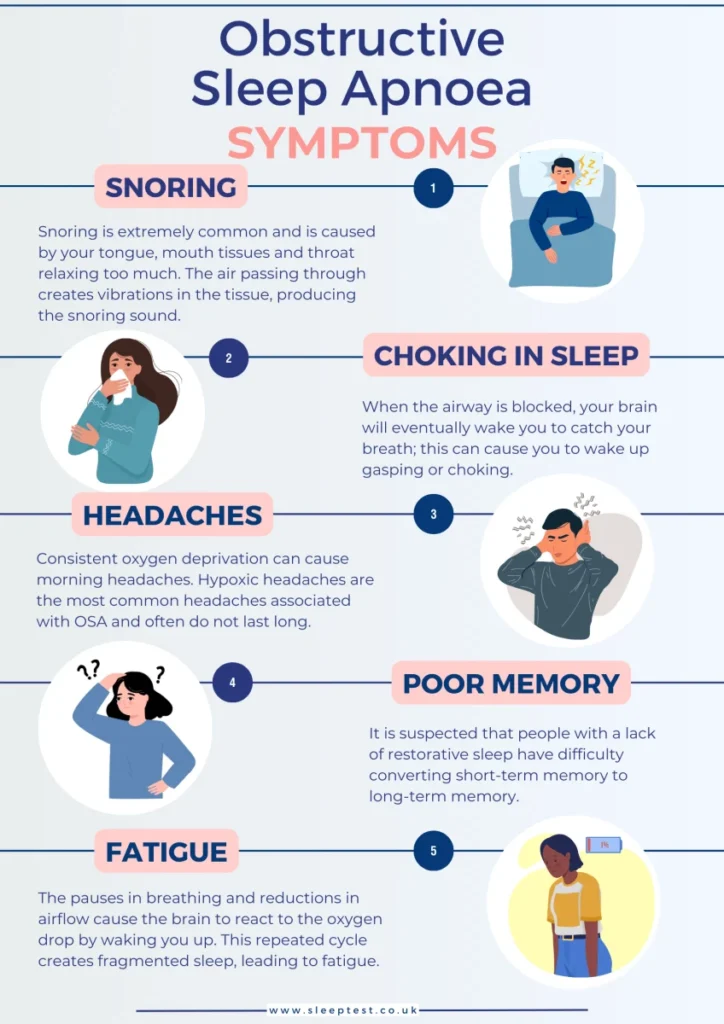
Here’s the key: snoring can be simple, or it can be a sign of something bigger like obstructive sleep apnea. Sleep apnea is not just “loud snoring.” It involves repeated breathing reductions or pauses during sleep and can affect daytime function and long-term health.
Red flags that should change your plan:
- Choking, gasping, or witnessed pauses in breathing
- Morning headaches or dry mouth that won’t quit
- Excessive daytime sleepiness, irritability, or concentration issues
- High blood pressure or known heart/metabolic risks (talk to your clinician)
If those show up, don’t rely on a DIY fix alone. Get evaluated.
How to try at home (tools + technique, not guesswork)
If your snoring seems position-related or “light to moderate,” a mouthpiece is one of the more straightforward tools to test. Most anti-snoring mouthpieces aim to keep the airway more open by adjusting jaw or tongue position.
Step 1: Pick the style that matches your snore pattern
Mandibular advancement devices (MADs): These gently move the lower jaw forward. They’re often chosen when snoring is worse on your back.
Tongue-retaining devices (TRDs): These hold the tongue forward. Some people prefer them if they can’t tolerate jaw advancement.
If you want a starting point for shopping, compare anti snoring mouthpiece and focus on adjustability, comfort, and materials.
Step 2: Get the fit right (ICI basics)
Think of mouthpiece success as ICI:
- Incremental: Small changes beat aggressive jaw movement. Start mild, then adjust.
- Comfort-first: If it hurts, you won’t use it. Discomfort also increases clenching.
- Interface: The bite surfaces should feel stable. Slipping equals noise and frustration.
Give it several nights before you judge it. One bad night doesn’t mean it failed.
Step 3: Positioning tweaks that stack with a mouthpiece
- Side-sleep support: A body pillow or backpack-style position aid can reduce back-sleep snoring.
- Nasal breathing support: If congestion is the driver, address the nose (saline rinse, allergy plan with a clinician). A mouthpiece won’t fix a blocked nose.
- Alcohol timing: If snoring spikes after drinks, move alcohol earlier or skip it near bedtime.
These aren’t “biohacks.” They’re basic levers that often matter more than the gadget.
Step 4: Cleanup and upkeep (so it doesn’t get gross)
Rinse the mouthpiece after use. Brush it gently with mild soap, then air-dry it. Don’t use hot water unless the instructions say it’s safe, because heat can warp the fit.
Also check your bite and jaw comfort in the morning. If your teeth feel shifted for hours, pause and reassess.
When to seek help (so you don’t miss the real issue)
Get medical advice if snoring comes with gasping, witnessed pauses, or serious daytime sleepiness. Do the same if you have jaw pain, frequent headaches, or you’re waking up unrefreshed despite “enough” hours.
A dentist trained in sleep-related oral appliances or a sleep clinician can help determine whether a mouthpiece is appropriate, and whether you should be tested for sleep apnea.
FAQ
Do anti-snoring mouthpieces work for everyone?
No. They can help some types of snoring, but they’re less likely to solve problems driven by untreated sleep apnea or major nasal blockage.
What’s the difference between snoring and sleep apnea?
Snoring is sound from airway vibration. Sleep apnea involves repeated breathing interruptions and should be evaluated by a clinician.
How long does it take to get used to a mouthpiece?
Often several nights to a couple of weeks. Fit and gradual adjustment are the difference-makers.
Can I use a mouthpiece if I have jaw pain or TMJ?
Be careful. If you have TMJ symptoms, talk with a dentist or clinician before using a jaw-advancing device.
How do I clean an anti-snoring mouthpiece?
Rinse, gently brush with mild soap, air-dry, and store it in a ventilated case.
CTA: If you want one next step, make it simple
If your goal is quieter nights and better sleep quality, start with a mouthpiece you’ll actually wear, then stack it with smart positioning and consistent cleanup. Comfort and consistency beat “extreme” hacks.
How do anti-snoring mouthpieces work?
Medical disclaimer: This article is for general education only and is not medical advice. It does not diagnose, treat, or replace care from a qualified clinician. If you suspect sleep apnea or have concerning symptoms, seek professional evaluation.