
At 2:13 a.m., the bedroom negotiation starts again. One person is half-awake, counting the hours until an early meeting. The other is asleep, snoring loud enough to turn “just one more minute” into “I’m going to the couch.”
By morning, nobody feels great. Not because of a dramatic argument. Because broken sleep quietly stacks up, night after night, until everything feels harder than it should.
Big picture: why snoring is suddenly everyone’s sleep topic
Sleep has become a full-on cultural obsession. People track it with rings, apps, and smart alarms. Travel schedules and late-night scrolling don’t help. Neither does workplace burnout, where “tired” starts to feel normal.
That’s why headlines keep circling the same idea: better sleep is a high-leverage health habit, especially as you get older. You’ll see rules of thumb and “sleep math” trending, like the Over 40? The 7:1 sleep rule is the single most important ‘longevity hack’ you aren’t doing.
Snoring fits into this moment because it’s one of the most common, most disruptive sleep problems. It’s also one of the most awkward to bring up.
The emotional part: snoring isn’t “just noise” in a relationship
Snoring jokes are everywhere for a reason. It’s relatable. But in real life, it can create a weird mix of guilt and resentment.
The snorer often feels blamed for something they can’t control. The listener feels dismissed because they’re the one paying the price at 3 a.m. Add travel fatigue or stress, and the patience meter hits zero fast.
A better script: treat it like a shared sleep-health project. The goal isn’t to “win.” The goal is two rested adults who don’t dread bedtime.
Practical steps: what to try before you buy another sleep gadget
If you’re hearing snoring most nights, start simple. Small changes can make a big difference, and they help you learn what’s driving the sound.
Step 1: spot the pattern (2 minutes, not a spreadsheet)
- Position: Is it worse on the back?
- Timing: All night, or only after alcohol / late meals?
- Nose vs. mouth: Is there obvious congestion or open-mouth breathing?
- Daytime clues: Morning headaches, dry mouth, or heavy sleepiness?
Step 2: reduce the “snore amplifiers”
- Side-sleeping support: A body pillow can help you stay off your back.
- Bedroom basics: Cool, dark, quiet. The boring stuff works.
- Nasal comfort: If you’re congested, addressing that can reduce mouth breathing.
- Timing: Late alcohol and heavy meals can make snoring more likely for some people.
If you do these and snoring still dominates the room, that’s where an anti snoring mouthpiece enters the chat.
Where an anti snoring mouthpiece fits (and why it’s trending)
People are talking about mouthpieces because they’re a straightforward, at-home option. They also feel more “real” than yet another app notification about sleep readiness.
In general, anti-snoring oral appliances aim to reduce vibration by improving airflow. Many designs do that by gently positioning the lower jaw forward during sleep. Some focus on tongue position. The best match depends on your snoring pattern and comfort.
You’ll also see more buzz because research and testing around new anti-snoring devices continues to grow, including clinical trials that look at sleep disruption and novel designs. That doesn’t mean every product works the same. It means the category is getting attention.
What to look for in a mouthpiece (quick checklist)
- Fit and adjustability: A stable, comfortable fit matters more than flashy features.
- Breathing comfort: You should be able to breathe comfortably through the night.
- Materials and cleaning: Choose something you can keep hygienic without hassle.
- Realistic expectations: The goal is quieter, more consistent sleep—not perfection on night one.
Relationship tip: agree on a “two-week trial,” not a forever verdict
Testing an anti-snoring solution can feel personal. Make it practical instead. Pick a short trial window. Decide what “success” means (fewer wake-ups, less volume, better mornings). Then reassess together.
If you’re comparing options, one route people explore is an anti snoring mouthpiece, especially when mouth opening seems to be part of the issue.
Safety and testing: when to DIY and when to get checked
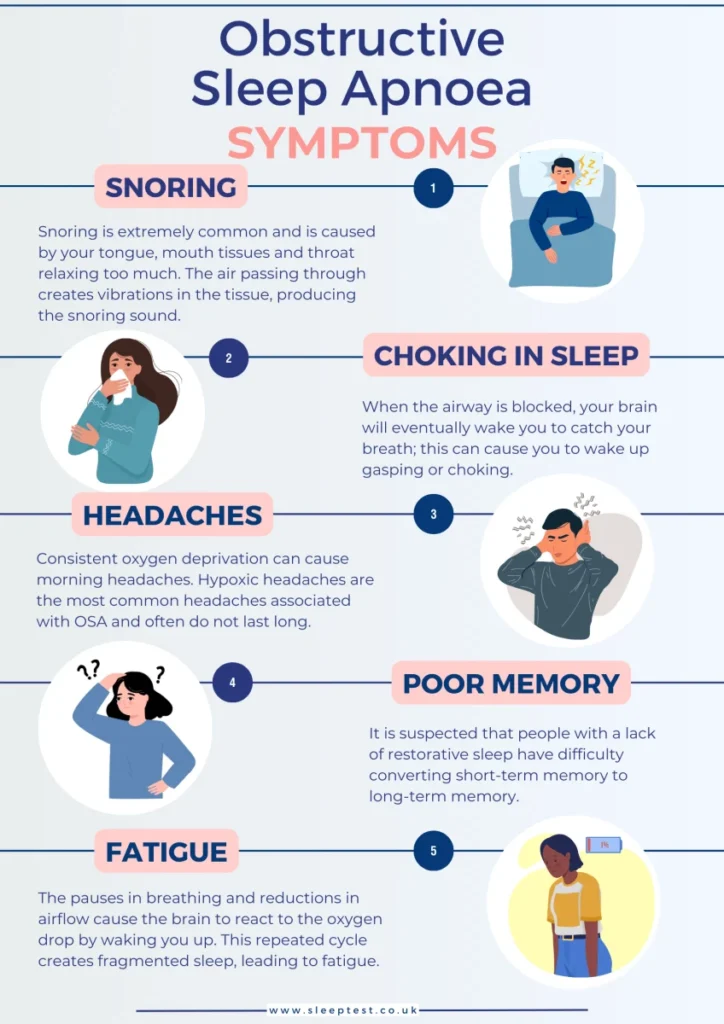
Snoring can be simple, but it isn’t always harmless. If you notice choking/gasping, witnessed pauses in breathing, high daytime sleepiness, or blood pressure concerns, talk to a clinician. Those can be signs of sleep apnea or another sleep-breathing disorder.
Mouthpieces can also cause jaw soreness, tooth discomfort, or bite changes in some people. Stop using a device that causes sharp pain or persistent symptoms. Consider a dental professional if you have TMJ issues, loose teeth, crowns, or gum disease.
Medical disclaimer: This article is for general education and does not provide medical advice, diagnosis, or treatment. For persistent snoring, suspected sleep apnea, or significant daytime symptoms, seek evaluation from a qualified healthcare professional.
FAQs
Do anti-snoring mouthpieces help with sleep quality?
They can, if they reduce snoring enough to prevent repeated awakenings. Better continuity often matters as much as total time in bed.
Is snoring worse with burnout and stress?
Stress can worsen sleep depth and routines, and it may increase habits like late alcohol or irregular schedules. Those factors can make snoring more noticeable.
What if snoring only happens when traveling?
Travel can bring dehydration, congestion, alcohol, and back-sleeping. A portable plan helps: consistent bedtime, nasal comfort, and a solution you can actually use in a hotel.
CTA: make the next night easier on both of you
Snoring doesn’t have to be a nightly argument or a running joke that stops being funny. Pick one change to try this week, then test a targeted solution if you need more help.