
- Snoring is a sleep-quality problem first—for you and whoever shares the room.
- An anti snoring mouthpiece can be a budget-friendly trial when snoring seems position-related.
- Comfort and fit matter more than hype; a “popular” gadget that hurts won’t last a week.
- Wearables and sleep apps are useful, but they don’t replace a real evaluation if symptoms look serious.
- If there are red flags for sleep apnea, don’t DIY forever—get checked.
Snoring has become a weirdly public topic lately. People compare sleep scores like step counts. New sleep gadgets show up in ads between travel reels and “burnout recovery” tips. And in plenty of relationships, snoring is the running joke—right up until it isn’t funny at 2:13 a.m.
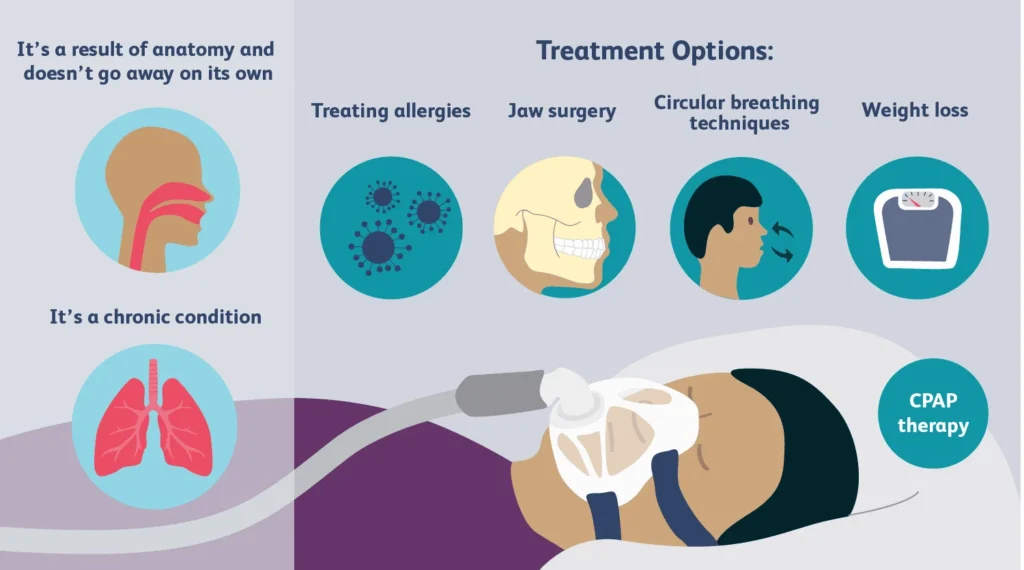
If you want a practical, low-waste way to improve nights at home, start with what’s most likely to move the needle: reducing airway collapse and improving breathing comfort. That’s where an anti snoring mouthpiece often enters the chat.
Is snoring just annoying, or is it hurting sleep quality?
Snoring isn’t only a sound issue. It often signals airflow resistance. That can fragment sleep, even if you don’t fully wake up. The result is familiar: foggy mornings, short tempers, and a “why am I tired?” feeling that follows you into meetings.
Sleep trends are also shifting how people think about this. Instead of chasing a perfect sleep score, many are focusing on symptoms: daytime sleepiness, morning headaches, and whether they feel restored. Recent coverage has also highlighted how newer analysis methods (including AI-driven markers) may reflect sleep apnea symptoms better than older, single-number summaries. The takeaway is simple: how you feel matters, not just what a chart says.
If you want a general reference point on that trend, see this Study: AI Marker Reflects OSA Symptoms Better Than Traditional Metrics.
Quick self-check: when to take snoring more seriously
Snoring deserves extra attention if any of these show up:
- Breathing pauses, choking, or gasping noticed by a partner
- Strong daytime sleepiness, especially while driving or in meetings
- High blood pressure or frequent morning headaches
- Snoring that’s getting louder over time
Those don’t confirm sleep apnea, but they are good reasons to talk to a clinician or request a sleep evaluation.
What are people buying right now to stop snoring (and why)?
Two forces are pushing snoring solutions into the spotlight: convenience and fatigue. Travel fatigue is real. So is workplace burnout. When people feel depleted, they look for fixes that don’t require a full lifestyle overhaul.
That’s why “sleep tech” and anti-snoring devices keep trending. Some options are simple (like nasal strips). Others are more involved (like devices that reposition the jaw). There are also new clinical trials exploring innovative anti-snoring approaches, which adds to the sense that better tools are coming.
Still, most people want something they can try tonight without turning their bedroom into a lab.
How does an anti snoring mouthpiece help, in plain language?
Many anti-snoring mouthpieces aim to keep the airway more open by changing position. The most common approach gently brings the lower jaw forward. That can reduce soft tissue collapse and vibration that creates snoring.
Think of it like adjusting the angle of a kinked garden hose. You’re not “adding more water.” You’re improving the pathway so flow meets less resistance.
Who tends to do well with a mouthpiece?
- People whose snoring is worse on their back
- People who notice snoring after alcohol or when overtired
- People with mild-to-moderate snoring who want a non-machine option
Who should be cautious?
- Anyone with significant jaw pain, TMJ issues, or frequent jaw clicking
- People with loose teeth, gum disease, or major dental work that feels unstable
- Anyone with strong sleep apnea symptoms (don’t delay evaluation)
How do you choose a mouthpiece without wasting money?
Ignore the “miracle” language and focus on practical filters. Reviews and roundups can help you compare categories, but your goal is simple: something you can actually tolerate for hours.
Use this budget-first checklist
- Comfort: If it hurts on night one, it probably won’t become your favorite on night ten.
- Fit approach: Some are boil-and-bite; others are pre-formed. Better fit usually means better compliance.
- Adjustability: Small changes can matter. Too aggressive can cause jaw soreness.
- Cleaning routine: If it’s annoying to clean, you’ll skip it. That’s when devices get gross fast.
- Return policy: Snoring solutions are personal. A trial period reduces risk.
If you’re comparing options, start here: anti snoring mouthpiece.
What else should you try alongside a mouthpiece?
Pairing small changes with a mouthpiece often beats chasing one perfect fix. Keep it simple for two weeks so you can tell what’s working.
Low-effort add-ons that can help
- Side-sleep support: A body pillow or backpack-style trick can reduce back-sleep snoring.
- Nasal comfort: Treat congestion and dryness so you’re not forced into mouth breathing.
- Alcohol timing: If you drink, try moving it earlier. Many people notice snoring worsens when alcohol is close to bedtime.
- Wind-down routine: Burnout brains don’t downshift easily. A consistent pre-sleep routine can reduce fragmented sleep.
Relationship tip: make it a shared experiment, not a blame game. A little humor helps, but a plan helps more.
When is it time to stop DIY and get evaluated?
If snoring is paired with choking/gasping, witnessed breathing pauses, or significant daytime sleepiness, treat that as a “don’t wait” moment. Sleep apnea is common and treatable, and it’s not something to self-manage indefinitely.
There’s also a practical angle: some people need documentation for work, insurance, or benefits. If you’re navigating a formal process (including disability ratings), you’ll want professional evaluation and records rather than relying on app screenshots.
FAQ: anti-snoring mouthpieces and sleep health
Do anti-snoring mouthpieces work for everyone?
No. They often help when jaw/tongue position contributes to snoring, but they won’t address every cause.
How fast should an anti snoring mouthpiece help?
Some notice changes quickly. Give it a fair trial, but don’t push through worsening pain or persistent symptoms.
Is loud snoring always sleep apnea?
Not always. Still, loud snoring plus breathing pauses or daytime sleepiness is worth a medical check.
Can I use a mouthpiece if I have TMJ or dental issues?
Use caution. If you have jaw pain or dental instability, ask a dentist before starting.
What’s the difference between a mouthguard and an anti-snoring mouthpiece?
A sports mouthguard protects teeth. Many anti-snoring mouthpieces reposition the jaw or tongue to support airflow.
What else helps snoring besides a mouthpiece?
Side sleeping, addressing nasal congestion, and adjusting alcohol timing can help. Persistent red flags need evaluation.
Ready to try a mouthpiece approach?
If you want a practical next step that doesn’t require a full bedroom makeover, start with a mouthpiece option that prioritizes comfort and a real trial period.
How do anti-snoring mouthpieces work?
Medical disclaimer: This article is for general education only and is not medical advice. Snoring can be a symptom of sleep apnea or other health conditions. If you have breathing pauses, choking/gasping, significant daytime sleepiness, chest pain, or worsening symptoms, seek evaluation from a qualified clinician.