
On a red-eye flight, an exhausted couple finally gets to their hotel. One of them falls asleep in minutes. The other stares at the ceiling, counting every snore like it’s a metronome.
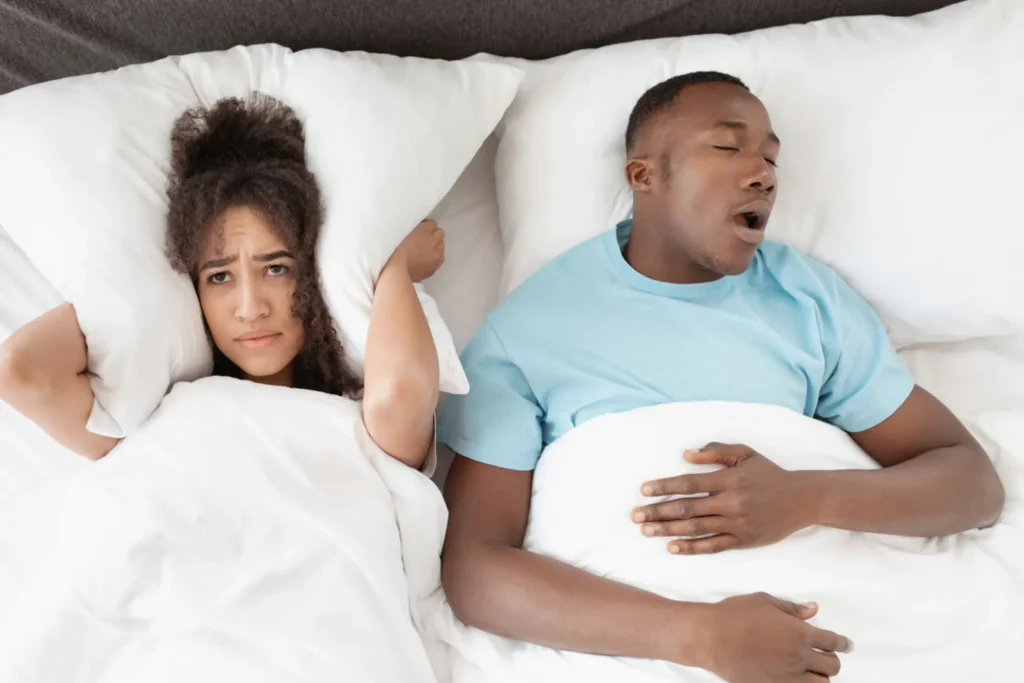
By breakfast, it’s half joke, half argument. That’s the vibe right now: sleep gadgets everywhere, burnout conversations at work, and people trying anything that might protect sleep quality. An anti snoring mouthpiece keeps coming up because it’s simple, portable, and doesn’t require a nightstand full of tech.
Overview: why snoring is suddenly everyone’s “sleep health” topic
Snoring isn’t just a noise problem. It can fragment sleep for the snorer, the partner, or both. That means groggier mornings, shorter tempers, and worse focus—especially when travel fatigue and late-night scrolling are already stacking the deck.
You’ll also see more discussion around airway-focused dental care and sleep-breathing health in the news, plus ongoing research into new anti-snoring devices. The big takeaway is not that one product “solves” snoring. It’s that people are paying closer attention to breathing, sleep disruption, and safe ways to try solutions.
If you want a general reference point for what’s being discussed publicly, here’s a related search-style link: Creative Smiles Dentistry Advances Airway Dentistry to Address Sleep and Breathing Health in Tucson.
Timing: when to try a mouthpiece (and when to pause)
Try a mouthpiece when snoring is the main issue and you want a low-lift experiment. It’s especially common for people who notice snoring is worse on their back, after alcohol, during allergy season, or during stressful weeks.
Pause and get screened if any red flags show up. These include choking/gasping at night, witnessed breathing pauses, severe daytime sleepiness, morning headaches, high blood pressure concerns, or snoring that’s suddenly much worse.
Relationship tip: agree on a two-week “trial window” before you start. That keeps the conversation from turning into nightly negotiations at 2 a.m.
Supplies: what to gather before you start (safety-first)
What you need on day one
- A quality mouthpiece you can clean and adjust as directed
- A toothbrush and mild soap or cleaner recommended by the manufacturer
- A ventilated case (don’t store it wet in a sealed container)
- A simple notes app or checklist to track comfort, snoring reports, and sleep quality
What you should document (reduces risk and confusion)
- Baseline: how often snoring happens, how loud it is (partner report), and how you feel in the morning
- Any jaw pain, tooth sensitivity, gum irritation, or bite changes before you start
- Travel variables (jet lag, alcohol, congestion) so you don’t blame the device for everything
Step-by-step (ICI): Identify → Choose → Implement
1) Identify your likely snoring pattern
You’re not diagnosing anything here. You’re just narrowing the story. Is it mainly back-sleeping? Is it worse with congestion? Does your partner notice pauses in breathing?
Also check your mouth and jaw status. Loose teeth, gum disease, recent dental work, or TMJ symptoms raise the stakes. In those cases, a dental professional should be part of your plan.
2) Choose a mouthpiece type that matches your situation
Many anti-snoring mouthpieces aim to reposition the lower jaw slightly forward to reduce tissue vibration in the airway. Comfort and fit matter as much as the idea itself.
If you’re comparing options, start with a clear, plain-language product page so you know what you’re buying and how it’s meant to be used. Here’s a relevant search-style anchor to explore: anti snoring mouthpiece.
When in doubt, prioritize: adjustability, cleaning instructions, and return policies. Those three reduce the “drawer of failed gadgets” problem.
3) Implement like a controlled trial (not a desperate overnight fix)
Night 1–3: Focus on comfort and fit. If you wake up with sharp pain, stop. Mild awkwardness can be normal, but pain is a signal.
Night 4–10: Track outcomes. Ask your partner for a simple rating: quieter / same / worse. Add your own notes: dry mouth, drooling, jaw stiffness, morning energy.
Night 11–14: Decide based on data, not vibes. If you see improvement without side effects, you have a direction. If sleep quality is still poor, don’t keep forcing it—look at screening and other supports.
Mistakes that waste money (or create new problems)
Ignoring screening signals
If there are breathing pauses, gasping, or heavy daytime sleepiness, don’t treat a mouthpiece like a substitute for medical evaluation. Snoring can overlap with sleep disorders that need a different approach.
Over-advancing too fast
More forward is not automatically better. Aggressive positioning can trigger jaw pain and headaches. Follow the adjustment guidance and go slowly.
Skipping hygiene and storage
A mouthpiece lives in a warm, wet environment. Clean it as directed, dry it fully, and store it properly. This is basic infection-risk reduction.
Not tracking bite changes
Some users notice temporary bite shifts on waking. If your bite feels “off” for hours, or your jaw clicks or locks, stop and get professional input.
Trying to solve burnout with gear alone
Sleep tech and mouthpieces can help, but they can’t fix a schedule that’s crushing you. If workplace burnout is the real driver, protect wind-down time and consistency too.
FAQ: quick answers people ask before buying
Do mouthpieces help with travel fatigue?
They can reduce partner-disrupting snoring on trips, which may help the room sleep better. Travel also brings congestion, alcohol, and odd sleep positions, so results can vary.
What if my partner says I’m quieter but I still feel tired?
Quieter doesn’t always mean better sleep. Consider screening for sleep-breathing issues and review caffeine, stress, and sleep duration.
Can I combine a mouthpiece with other snoring strategies?
Often yes, like side-sleeping support or addressing congestion. Avoid stacking too many changes at once, or you won’t know what helped.
CTA: make the next step simple
If you want a practical place to start, review mouthpiece options and commit to a short, trackable trial. Keep it safe, keep it documented, and don’t ignore red flags.
How do anti-snoring mouthpieces work?
Medical disclaimer: This article is for general education only and is not medical advice. Snoring can have many causes, including sleep-related breathing disorders. If you have choking/gasping, witnessed breathing pauses, severe daytime sleepiness, chest pain, or persistent jaw/tooth pain with a device, seek evaluation from a qualified clinician or dental professional.