
Five rapid-fire takeaways:
- Snoring is trending as a “sleep optimization” problem, not just a punchline.
- Wearables and sleep apps can nudge awareness, but they don’t replace medical evaluation.
- An anti snoring mouthpiece can be a practical first step when the issue is simple snoring.
- Budget wins come from testing one change at a time for 7–14 nights.
- Some snoring patterns point to sleep apnea and should not be DIY’d for long.
What people are talking about right now (and why it matters)
Sleep has become a full-on lifestyle category. You see it in “sleep gadget” drops, app dashboards, and travel recovery hacks. Even relationship humor has shifted from “you snore” to “your snore ruined my meeting tomorrow.”
At the same time, clinicians and health outlets have been discussing whether people should do more self-checks for sleep issues before they ever step into an exam room. If you like a checklist approach, start with Should You Ask Patients to Self-Screen for Sleep Issues? and compare them to what you (and your partner) notice at night.
Burnout culture is part of this, too. When people run on low sleep, they chase faster fixes. That’s how you end up with a drawer of unused nose strips, mouth tape experiments, and a smart ring you’re afraid to check in the morning.
The medical side: snoring vs. sleep health
Snoring happens when airflow gets noisy due to vibration in the upper airway. Sometimes it’s just anatomy plus sleep position. Other times it’s a sign that breathing is being disrupted more seriously.
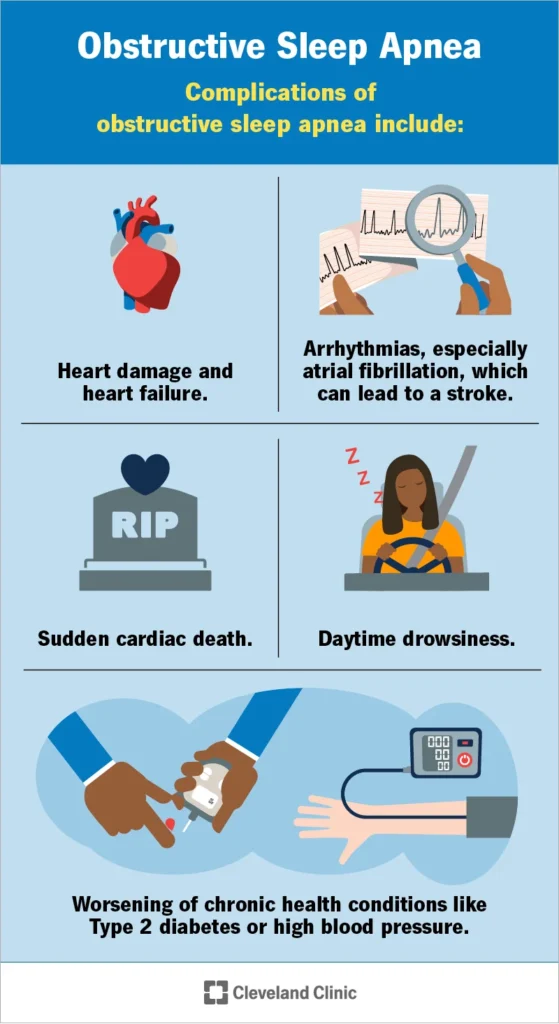
Sleep apnea is the phrase you’ll keep hearing in recent coverage of snoring and sleep-disordered breathing. It’s not something to self-diagnose, but it is something to respect. If you have loud snoring plus choking or gasping, witnessed pauses in breathing, or significant daytime sleepiness, don’t treat it like a gadget problem.
There’s also growing interest in better ways to detect sleep-related breathing issues. You’ll see headlines about newer markers and AI-assisted analysis that may reflect symptoms differently than older, simpler metrics. That doesn’t mean your app can diagnose you. It does mean the conversation is shifting toward earlier detection and better screening.
Finally, nasal breathing gets attention for a reason. Reviews and research roundups often discuss nasal dilators and similar tools. They can help certain people, especially when nasal obstruction is the bottleneck. If your snoring is mostly mouth-breathing plus jaw drop, a mouthpiece may be the more direct lever.
How to try this at home (without wasting a cycle)
If you want a budget-first plan, treat snoring like a mini experiment. Pick one change, track it, and keep the rest stable for a week. That’s how you avoid spending money on five solutions and learning nothing.
Step 1: Do a quick baseline for 3 nights
Use a simple notes app. Track: bedtime, alcohol close to bed (yes/no), congestion (yes/no), and whether someone noticed loud snoring. Add how you felt the next day: foggy, okay, or sharp.
Step 2: Decide which lever you’re pulling
Common levers include side-sleeping, reducing late alcohol, addressing congestion, and using an oral device. If the main complaint is loud snoring with mouth-open breathing, an anti-snoring mouthpiece is a reasonable at-home trial for many adults.
Step 3: Trial an anti-snoring mouthpiece for 7–14 nights
A mouthpiece generally aims to support the jaw and/or tongue position so the airway stays more open. Comfort matters. A device that sits poorly can lead to sore teeth, jaw tightness, or you ripping it out at 2 a.m.
If you want a combined approach some people prefer, look at an anti snoring mouthpiece. The idea is simple: reduce jaw drop and keep airflow quieter by supporting positioning. Keep expectations realistic and focus on whether sleep feels more continuous.
Step 4: Track outcomes like a grown-up (not like a gadget ad)
Skip perfection metrics. Watch for: fewer wake-ups, less dry mouth, fewer complaints from a partner, and better morning energy. If the only “win” is a nicer sleep score but you still feel wrecked, that’s a signal to reassess.
When to stop DIY and talk to a clinician
Home trials are fine for simple snoring. They’re not a substitute for care when symptoms point to something bigger.
- Urgent red flags: waking up choking/gasping, witnessed breathing pauses, or severe daytime sleepiness.
- Safety concerns: drowsy driving, morning headaches that persist, or uncontrolled high blood pressure (discuss with your clinician).
- Mouthpiece problems: ongoing jaw pain, tooth pain, or bite changes.
- No improvement: two weeks of consistent use with no meaningful change in snoring or sleep quality.
Clinicians can evaluate risk factors, consider sleep testing when appropriate, and discuss options that match your situation. That might include oral appliance therapy fitted by a dental professional, CPAP for sleep apnea, or targeted strategies for nasal obstruction.
FAQ: quick answers before you buy another sleep gadget
Is snoring always caused by being tired or “out of shape”?
No. Fatigue can worsen snoring, but anatomy, sleep position, alcohol, congestion, and airway stability all play roles.
Should I try a nasal dilator first?
Try it first if your main issue is nasal blockage or you snore most when congested. If your partner notices mouth-open snoring and jaw drop, a mouthpiece may be the more direct test.
Can travel make snoring worse?
Yes. Travel fatigue, alcohol at odd times, dry hotel air, and sleeping on your back can all increase snoring. A consistent routine helps more than a suitcase full of gadgets.
What if my partner says it’s “not that bad,” but I feel awful?
Listen to your daytime symptoms. Non-restorative sleep matters even when the room seems quiet. If you’re persistently sleepy or foggy, consider a medical conversation.
Medical disclaimer: This article is for general information only and is not medical advice. It does not diagnose, treat, or replace care from a qualified clinician. If you suspect sleep apnea or have concerning symptoms, seek professional evaluation.