
Is your snoring wrecking your sleep quality?
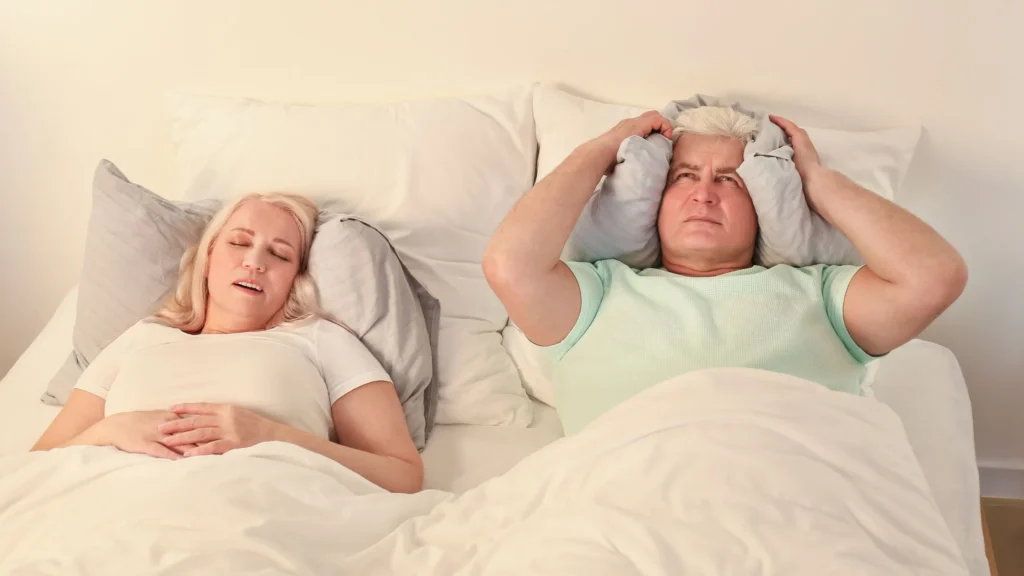
Are you wondering if an anti snoring mouthpiece is worth trying, or just another sleep gadget trend?
And is this “normal snoring,” or something you shouldn’t ignore?
Here’s the direct answer: snoring is often a signal that airflow is getting restricted during sleep. Sometimes it’s just noisy. Sometimes it’s a clue you should get evaluated for sleep-disordered breathing. Either way, the fastest path is matching the fix to the pattern you’re seeing.
People are talking about sleep more than ever—wearables, mouth tape debates, nasal strips, travel fatigue, and the “I’m fine” culture of workplace burnout. Meanwhile, relationship humor about snoring stays undefeated. The trend is real, but the solution still comes down to basics: airway, position, comfort, and consistency.
The no-guess decision guide (If…then…)
If you snore mostly on your back, then start with positioning
Back-sleeping can let the jaw and tongue drift in a way that narrows airflow. If your partner says it’s quieter when you roll to your side, that’s useful data.
Try first: side-sleep support (body pillow), head/neck alignment tweaks, and a simple bedtime routine that reduces late-night “collapse” (alcohol close to bed and heavy meals can make snoring more likely for some people).
If your nose feels blocked at night, then consider nasal-focused tools
When nasal breathing is compromised, you may mouth-breathe more, which can worsen vibration and dryness. Many people try strips or internal dilators because they’re low-commitment and easy for travel.
For a research-flavored overview of what’s being discussed lately, see this 31st Annual Advances in Diagnosis and Treatment of Sleep Apnea and Snoring. Keep expectations realistic: what helps nasal airflow doesn’t always solve every kind of snoring.
If snoring is loud, nightly, and your sleep feels unrefreshing, then screen for bigger issues
Snoring plus daytime sleepiness, morning headaches, or witnessed pauses in breathing deserves attention. Public-facing health resources have been emphasizing the basics of sleep apnea—symptoms, causes, and why it matters.
Then: consider a clinician conversation or a formal screening approach. Don’t self-diagnose from a smartwatch graph alone. Use it as a prompt, not a verdict.
If your snoring seems “mouth-open” and your jaw drops back, then an anti snoring mouthpiece may fit the pattern
An anti snoring mouthpiece is typically designed to support jaw or tongue positioning so the airway stays more open. In plain terms, it’s a mechanical nudge that aims to reduce the vibration that creates sound.
Then prioritize these buying and setup factors:
- Comfort first: if it hurts, you won’t wear it. A “technically effective” device that stays in a drawer is a non-solution.
- Fit and seal: a stable fit helps keep the jaw from drifting. Too loose can be pointless; too tight can be miserable.
- Gradual break-in: short wears while winding down can help some people adapt before an all-night attempt.
- Jaw feel in the morning: mild awareness can happen, but persistent pain, clicking, or bite changes are reasons to stop and get advice.
Technique matters: ICI basics (Insert, Comfort, Inspect)
Insert: get the starting position right
Don’t rush the first nights. A clean, correct seat helps the device do its job without creating pressure points. If your mouthpiece has adjustment steps, small changes beat dramatic jumps.
Comfort: make “wearable” the goal
Sleep tech trends love big promises, but your body only cares about tolerability. If you’re also dealing with travel fatigue or burnout, keep the plan simple. Consistency beats complexity.
Inspect: check fit, wear, and hygiene
Quick daily checks prevent gross surprises and extend the usable life. Look for rough edges, warping, or buildup. If it’s irritating your gums or cheeks, don’t “push through.”
Cleanup and care: fast routine, fewer problems
Rinse after use, brush gently if the product allows it, and let it dry fully. Store it in a ventilated case. A musty, wet container can turn a sleep solution into a morning regret.
If you’re prone to congestion, keep nasal hygiene and bedroom air in mind too. Dry air and mouth-breathing can stack the odds against comfort.
Where mouthpieces fit in the 2026 sleep conversation
Right now, the vibe is “optimize everything.” People track sleep scores, buy new gadgets, and joke about snoring on social feeds. Meanwhile, clinics and health systems keep repeating the unsexy truth: sleep quality affects how you feel during the day, and persistent symptoms shouldn’t be brushed off.
Mouthpieces sit in a practical middle lane. They’re more involved than a nasal strip, but less complex than many medical pathways. For the right snoring pattern, that can be exactly the point.
FAQ (quick answers)
Do anti-snoring mouthpieces work for everyone?
No. They can help some types of snoring, but they aren’t a universal fix and may be inappropriate if sleep apnea is suspected.
What’s the difference between a mouthpiece and a nasal dilator?
Mouthpieces focus on jaw/tongue position. Nasal dilators focus on nasal airflow. Your best option depends on what’s driving the restriction.
How long does it take to get used to a mouthpiece?
Often a short adjustment period. Comfort, fit, and a gradual routine can make the difference.
Can a mouthpiece replace CPAP for sleep apnea?
Not by default. Sleep apnea needs proper evaluation. Some oral appliances may be used with clinician oversight.
What are red flags that mean I should talk to a clinician?
Gasping/choking, witnessed breathing pauses, severe daytime sleepiness, and morning headaches are common reasons to get checked.
CTA: choose a mouthpiece path (without overthinking it)
If your pattern points to jaw/tongue positioning, start by comparing anti snoring mouthpiece and focus on comfort, fit, and easy cleaning.
How do anti-snoring mouthpieces work?
Medical disclaimer: This article is for general education only and isn’t medical advice. Snoring can have many causes, including sleep apnea. If you have concerning symptoms (breathing pauses, choking/gasping, significant daytime sleepiness, or other health concerns), talk with a qualified clinician for diagnosis and treatment options.