
On the last night of a quick work trip, “M.” fell asleep in a hotel bed with the TV timer on and a suitcase still open. By 2 a.m., the familiar nudge arrived: the kind that says, “You’re snoring again,” without saying a word. The next morning brought the usual combo—dry mouth, foggy focus, and the joke text from a partner back home: “Congrats on winning the chainsaw contest.”
If that feels familiar, you’re not alone. Snoring is getting a fresh wave of attention right now, helped along by sleep gadget culture, burnout conversations, and more mainstream coverage of sleep apnea and snoring education events (like this 31st Annual Advances in Diagnosis and Treatment of Sleep Apnea and Snoring). The big theme: better sleep quality is not a luxury item, and “just deal with it” is a costly strategy.
A no-waste decision guide (If…then…)
This is the practical path for choosing an anti snoring mouthpiece without buying five gadgets that end up in a drawer. Use the branch that sounds most like your situation.
If your snoring is worst on your back…then start with position + a mouthpiece shortlist
Back sleeping often makes soft tissues relax in a way that narrows airflow. If you notice the snoring spikes when you’re face-up, you can try a simple position change first. If that’s not enough, a mouthpiece that supports the jaw can be a reasonable next step.
If your partner says you “snore and then go quiet”…then don’t guess—screen for apnea
Snoring can be benign, but pauses, choking, or gasping are different. Public health coverage has been emphasizing sleep apnea basics and warning signs, and major medical sources describe it as a condition tied to disrupted breathing during sleep. If any of those red flags fit, prioritize an evaluation instead of only trying at-home fixes.
If you wake with dry mouth or sore throat…then consider mouth breathing and jaw support
Dry mouth can happen when you breathe through your mouth at night. Some people do better with solutions that encourage nasal breathing or help keep the jaw from dropping. A combo approach can be useful when mouth opening is part of the pattern.
If congestion drives your snoring…then test nasal airflow before you buy a bigger fix
When your nose feels blocked, you may snore simply because airflow gets turbulent. Some people try nasal dilators, and reviews in the medical literature discuss mixed, individual results across sleep-disordered breathing scenarios. If a simple nasal approach helps, that’s a budget win. If it doesn’t, your snoring may be more throat- or jaw-related.
If you’re “sleep-maxxing” with wearables and smart alarms…then focus on the boring metric: fewer awakenings
Sleep tech can be motivating, but it can also turn into a nightly performance review. Instead of chasing perfect scores, watch for practical signs: fewer wake-ups, less morning headache, better daytime patience, and fewer mid-afternoon crashes at work.
Where an anti-snoring mouthpiece fits (and where it doesn’t)
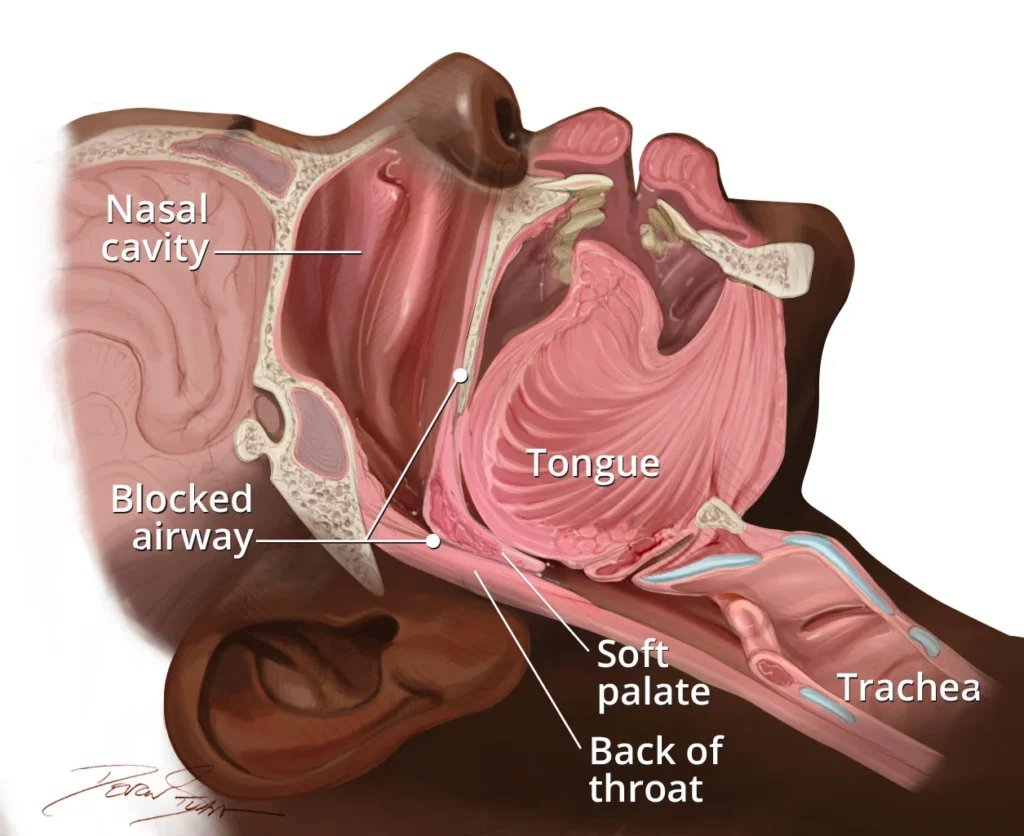
An anti-snoring mouthpiece is often used to improve airflow by influencing jaw and tongue position during sleep. That can reduce vibration that creates snoring in some people. It’s usually not a complete answer for snoring caused primarily by significant nasal obstruction, and it’s not a substitute for care if sleep apnea is suspected.
Budget lens: a mouthpiece can be a more targeted purchase than cycling through random sprays, tapes, and “viral” sleep gadgets. The best value comes from matching the tool to the likely cause.
Quick pick: when a combo option makes sense
If your snoring story includes mouth breathing, jaw drop, or a partner reporting that you sleep with your mouth open, a combined setup may be worth considering. One example is an anti snoring mouthpiece, which aims to address jaw position and mouth opening together.
How to try it without wasting a week
Set a simple 7-night test
Pick one change at a time. Track only a few outcomes: partner-reported snoring volume, your morning dry mouth, and daytime sleepiness.
Watch for deal-breakers early
Stop and reassess if you get jaw pain, tooth pain, gum irritation, or headaches. Comfort matters because the “best” device is useless if you can’t wear it.
Keep relationships out of the danger zone
Snoring is funny until it isn’t. If it’s causing separate bedrooms or resentment, treat it like a shared problem to solve, not a personal flaw to defend.
FAQ: fast answers people are searching right now
Are mouthpieces better than nasal strips?
It depends on the source of snoring. Nasal strips and dilators target nasal airflow. Mouthpieces target jaw/tongue position and throat vibration.
Can fit affect results?
Yes. Fit and comfort influence whether you can wear it consistently and whether it positions the jaw as intended.
Does alcohol make snoring worse?
It can for many people, since relaxation of airway tissues may increase vibration. If snoring spikes after drinks, that pattern is useful data.
Is snoring always a health problem?
Not always, but it can be a sign of sleep-disordered breathing. Persistent loud snoring plus symptoms should prompt a medical conversation.
CTA: get the plain-English overview
If you want a straightforward explanation before you buy anything, start here:
How do anti-snoring mouthpieces work?
Medical disclaimer: This article is for general education and is not medical advice. It does not diagnose, treat, or replace care from a qualified clinician. If you have choking/gasping at night, witnessed breathing pauses, severe daytime sleepiness, chest pain, or concerns about heart risk, seek medical evaluation promptly.