
- Snoring isn’t just noise. It can wreck sleep quality for you and your partner.
- Trendy sleep gadgets are everywhere. The best move is still matching the tool to the cause.
- An anti snoring mouthpiece is often a practical first buy. It’s usually cheaper than “smart” everything.
- Try a few no-cost checks first. Position, alcohol timing, congestion, and travel fatigue can be the whole story.
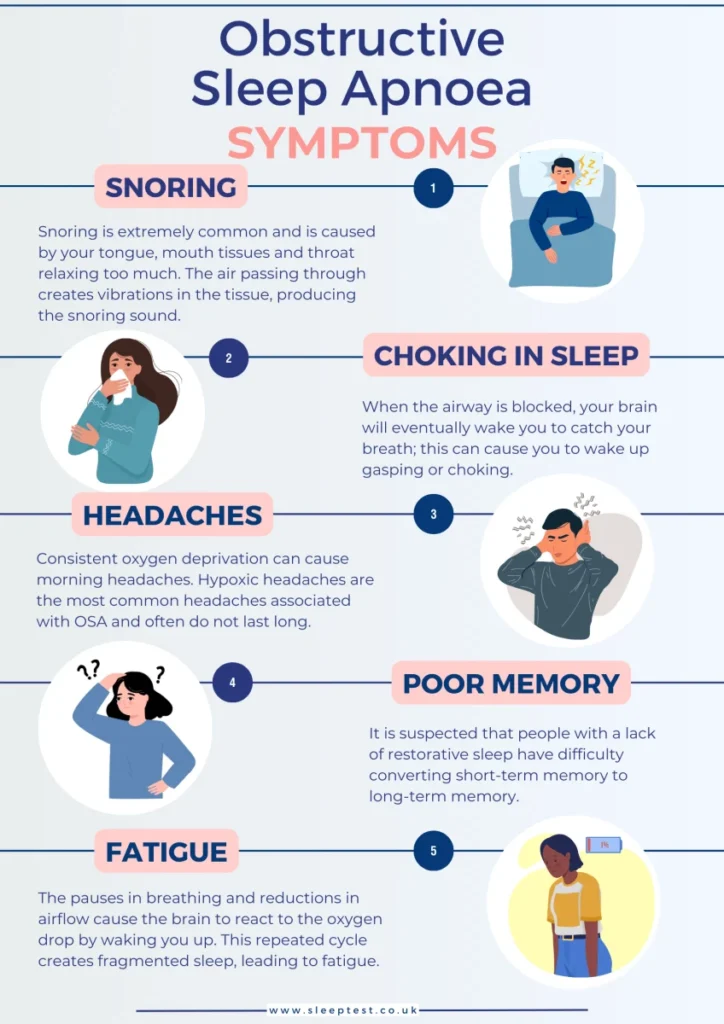
- Know the red flags. Snoring can overlap with sleep apnea symptoms, which needs proper evaluation.
The big picture: why snoring is suddenly everyone’s problem
Right now, sleep is having a moment. You see it in new devices, new trials, and more clinics talking about breathing and airway-focused care. You also feel it in daily life: late-night scrolling, early meetings, and that “I’m fine” burnout that isn’t actually fine.
Add travel fatigue and odd hotel pillows, and snoring becomes a group project. One person snores, two people lose sleep, and everyone pretends it’s funny the next morning.
Snoring happens when airflow gets turbulent as you breathe during sleep. The soft tissues in the throat and mouth can vibrate, especially when muscles relax. What matters is why the airflow is getting pinched in your case.
Why people are talking about airway-focused dentistry
More dental practices are highlighting “airway” and sleep-related breathing as part of whole-person health. That doesn’t mean every snorer needs dental treatment. It does reflect a broader trend: people want solutions beyond earplugs and resentment.
If you want a general read on that trend, see this related coverage: Creative Smiles Dentistry Advances Airway Dentistry to Address Sleep and Breathing Health in Tucson.
The emotional part: relationships, embarrassment, and “sleep debt” drama
Snoring has a social cost. People joke about “sleep divorce” (separate rooms) like it’s a quirky trend, but it often starts as survival. When sleep quality drops, patience goes with it.
There’s also the awkward loop: you feel tired, so you try more caffeine, then your sleep gets lighter, then your partner says your snoring got louder. That cycle is common during stressful work stretches or after a string of flights and late dinners.
A realistic goal is not perfection. It’s fewer wake-ups, less friction, and a plan you’ll actually follow on a Wednesday night.
Practical steps: a budget-first way to test what helps (at home)
If you’re trying to improve snoring without wasting a month, use a simple sequence. Change one variable at a time for a few nights. Keep notes, even if it’s just “better / same / worse.”
Step 1: Do the quick, free checks
Sleep position: Many people snore more on their back. Side-sleeping can reduce collapse of soft tissue for some sleepers.
Alcohol timing: Alcohol close to bedtime can relax airway muscles more. For some people, moving the last drink earlier is a noticeable win.
Nasal congestion: If your nose is blocked, you’re more likely to mouth-breathe. That can worsen snoring for certain people.
Travel fatigue: Irregular sleep schedules and dehydration can make snoring flare. If snoring spikes only on trips, your “fix” may be travel-specific.
Step 2: Decide whether a mouthpiece matches your pattern
An anti snoring mouthpiece usually aims to improve airflow by changing jaw or tongue position during sleep. People often look at mouthpieces when:
- Snoring is worse on the back
- Mouth breathing is common
- You want a non-electronic, packable option for travel
- You’d rather try a reversible approach before pricier gear
There are different designs. Some bring the lower jaw slightly forward. Others focus on tongue position. The “right” style depends on comfort and what seems to trigger your snoring.
Step 3: Consider a combo approach if mouth breathing is part of it
If your mouth falls open at night, keeping it gently supported can help some people. That’s why you’ll see mouthpieces paired with straps in certain product bundles.
If you’re comparing options, here’s a relevant starting point: anti snoring mouthpiece.
Step 4: Don’t ignore the nose (but keep expectations realistic)
Nasal dilators get attention because they’re simple. A recent systematic review and meta-analysis looked at nasal dilators in sleep-disordered breathing, and discussions around them tend to land in the same place: they may help certain people, but they aren’t a universal fix.
A practical way to think about it: if you can’t breathe through your nose comfortably while awake, your sleep may not magically improve at night. Nasal strategies can be a reasonable low-cost trial, especially when congestion is obvious.
Safety and testing: when snoring is more than snoring
Snoring can overlap with sleep apnea. Sleep apnea is commonly discussed in mainstream medical resources, and it’s associated with symptoms like loud snoring, choking or gasping, breathing pauses, and significant daytime sleepiness.
If any of those fit, treat it as a health question, not just a noise problem. A clinician or sleep specialist can guide screening and testing options. Some dentists also work with patients on oral appliances, often as part of a broader care plan.
Basic comfort and safety notes for mouthpieces
- Expect an adjustment period. Mild jaw or tooth soreness can happen early on.
- Stop if you have sharp pain. Ongoing jaw pain, tooth pain, or bite changes should be taken seriously.
- Keep it clean. Oral devices need regular cleaning to avoid odors and irritation.
- If you have dental work or TMJ concerns, get advice first. Fit and jaw positioning matter.
Medical disclaimer: This article is for general education only and is not medical advice. Snoring can have multiple causes, including sleep apnea. If you have breathing pauses, choking/gasping, chest pain, severe daytime sleepiness, or other concerning symptoms, seek medical evaluation.
FAQ: quick answers before you spend money
Do anti-snoring mouthpieces stop snoring for everyone?
No. They can help when jaw/tongue position contributes to snoring, but they won’t match every anatomy or every cause.
What’s the difference between a mouthpiece and a mouthguard?
A mouthguard usually protects teeth. An anti-snoring mouthpiece aims to improve airflow by changing mouth or jaw position during sleep.
Are nasal dilators worth trying?
They can be, especially when nasal blockage seems to drive mouth breathing. They’re not a guaranteed fix for throat-based snoring.
Can snoring be a sign of sleep apnea?
Yes. Loud, frequent snoring plus gasping, breathing pauses, or heavy daytime sleepiness are common reasons to get checked.
How long does it take to get used to an anti-snoring mouthpiece?
Often several nights to a couple of weeks. If discomfort is persistent or worsening, pause and get professional guidance.
CTA: one clear next step
If you want a straightforward way to learn the basics before you buy, start here: