
You can buy a new sleep gadget in two taps. You can’t “buy now” your way out of a rough night.
Snoring is the classic example. It turns one person’s sleep into everyone’s problem.
Thesis: Better sleep starts with airflow, comfort, and consistency—and an anti snoring mouthpiece can be a practical tool when snoring is position- or jaw-related.
The big picture: why snoring feels louder in 2026
People are talking about sleep like it’s a performance metric. Wearables grade your night, apps score your “readiness,” and social feeds hype simple rules that promise longevity.
That cultural push has an upside. It reminds us that sleep quality matters, especially as we get older and recovery doesn’t feel automatic.
If you’ve seen chatter about a “sleep ratio” or a simple rule-of-thumb for better aging, treat it as motivation, not a diagnosis. A rule can’t tell you why you’re waking up. Snoring can.
Snoring vs. “just tired”
Snoring often shows up alongside morning dry mouth, fragmented sleep, and groggy afternoons. Add travel fatigue, late-night scrolling, or workplace burnout, and it’s easy to normalize feeling run-down.
But persistent, loud snoring can also be a sign that breathing is struggling at night. That’s where sleep apnea discussions enter the chat, and why it’s worth taking snoring seriously.
The human side: relationships, embarrassment, and burnout
Snoring is a relationship stressor that people joke about because it’s awkward to admit. “I got kicked to the couch” is funny until it becomes a pattern.
Sleep loss also compounds stress. When you’re already stretched thin, a broken night can make everything feel sharper: patience, focus, even cravings.
If you’re feeling stuck, aim for progress, not perfection. The goal is quieter breathing and fewer wake-ups, not a flawless sleep score.
Practical steps tonight: tools + technique (no drama)
Start with the basics that reduce airway narrowing. Then add a device only if it fits your pattern.
1) Positioning: the fastest lever
Back-sleeping can make snoring worse for many people because the jaw and tongue can fall backward. Side-sleeping often helps.
If you travel a lot, hotel pillows and exhaustion can push you onto your back. Try a firmer pillow, a body pillow, or a simple “side-sleep cue” like a backpack pillow setup.
2) Nasal breathing support
Congestion and mouth breathing can amplify snoring. Gentle saline rinses, humidity, and avoiding bedroom irritants can help.
Keep it simple. If you can breathe through your nose more easily, you often snore less.
3) The mouthpiece option: where an anti snoring mouthpiece fits
An anti snoring mouthpiece is typically designed to improve airflow by influencing jaw or tongue position during sleep. Many people explore this when snoring seems worse on the back, after alcohol, or during allergy seasons.
Fit and comfort matter more than hype. A device you can’t tolerate won’t help your sleep quality.
ICI basics: fit, comfort, and cleanup
ICI is a simple way to think about mouthpiece success: Initial fit, Comfort, and In-the-morning routine.
- Initial fit: Follow the fitting directions exactly. A poor fit can increase drooling, soreness, or slipping.
- Comfort: Expect an adjustment period. If a device allows small changes, go slowly. Your jaw should feel supported, not forced.
- In-the-morning routine: Rinse, brush it gently, and let it dry. Consistent cleaning keeps the experience tolerable.
Chinstrap combo: when mouth opening is the main issue
If your snoring is tied to mouth breathing or your jaw dropping open at night, some people prefer a combined approach. That’s why options like an anti snoring mouthpiece get attention.
The point isn’t “more gear.” It’s keeping the airway mechanics stable enough that sleep stays deeper.
Safety and smart testing: when to pause and get checked
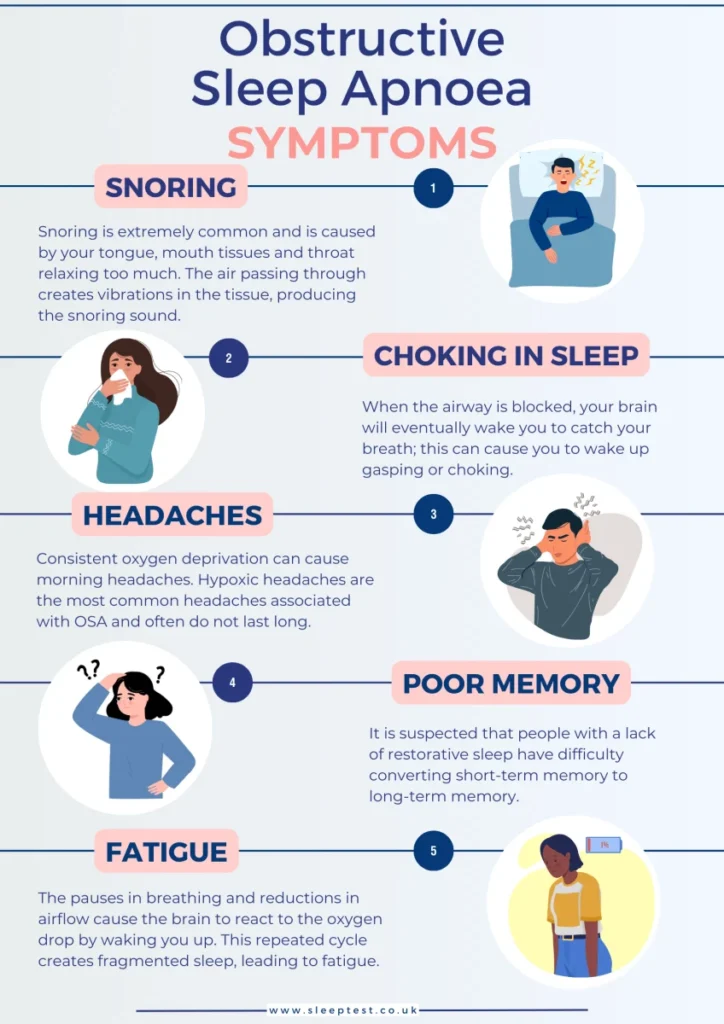
Snoring can be benign, but it can also overlap with sleep apnea. General medical guidance commonly highlights symptoms like loud habitual snoring, choking/gasping during sleep, and significant daytime sleepiness as reasons to seek evaluation.
If you suspect sleep apnea, don’t self-manage forever with gadgets. Consider talking with a clinician about screening and next steps.
How to test changes without overthinking
- Pick one change for 3–5 nights: Positioning, nasal support, or a mouthpiece. Don’t stack everything at once.
- Use simple metrics: Fewer wake-ups, less dry mouth, partner reports, and how you feel at 2–4 p.m.
- Watch for red flags: Jaw pain that persists, bite changes, headaches, or worsening sleep.
What people are reading right now (and why it matters)
Sleep headlines tend to cluster around two themes: “easy rules for better aging” and “don’t ignore sleep apnea.” Both are useful reminders.
If you want the broader cultural context around sleep rules and longevity talk, see this related coverage: Over 40? The 7:1 sleep rule is the single most important ‘longevity hack’ you aren’t doing.
FAQ
Do anti-snoring mouthpieces work for everyone?
No. They often help with simple snoring, but results depend on fit, jaw comfort, sleep position, and whether sleep apnea is involved.
What’s the difference between snoring and sleep apnea?
Snoring is sound from narrowed airflow. Sleep apnea involves repeated breathing interruptions during sleep and needs medical evaluation.
How long does it take to get used to a mouthpiece?
Many people adapt over several nights to a couple of weeks. Start with short wear periods and adjust gradually if the design allows.
Can a mouthpiece cause jaw pain?
It can, especially early on or if the fit is off. Persistent pain, bite changes, or headaches are reasons to stop and seek dental/medical advice.
What if I snore more when traveling?
Travel fatigue, alcohol, dehydration, and back-sleeping can worsen snoring. Focus on positioning, nasal breathing support, and a consistent wind-down routine.
Next step: pick one change and run a 7-night trial
If snoring is dragging down your sleep quality, choose one lever to test this week: side-sleeping support, nasal breathing basics, or an anti snoring mouthpiece that you can actually tolerate.
How do anti-snoring mouthpieces work?
Medical disclaimer: This article is for general education only and isn’t medical advice. If you have symptoms that suggest sleep apnea (such as choking/gasping during sleep, witnessed breathing pauses, or severe daytime sleepiness), talk with a qualified clinician for evaluation and personalized care.