
Myth: Snoring is just “noise,” so it can’t really affect health.
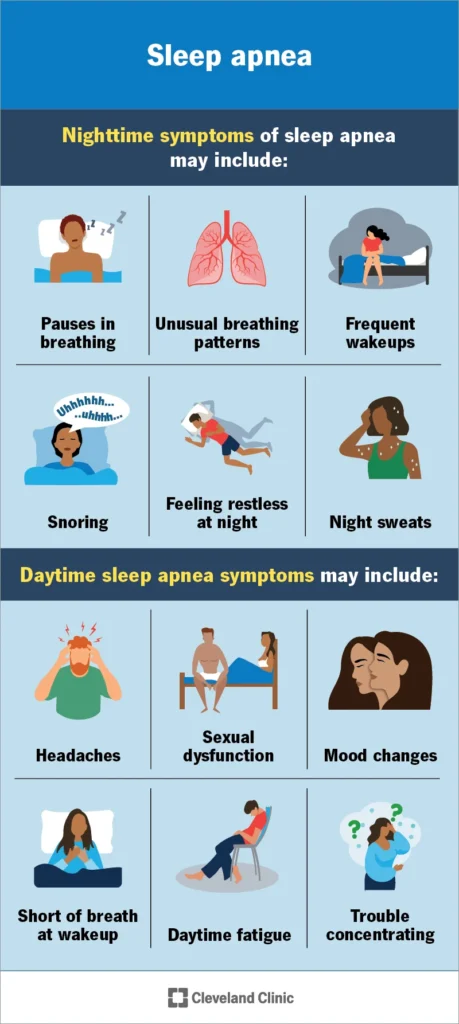
Reality: Snoring can be a sign that airflow is getting pinched during sleep. Even when it’s “just snoring,” it can still wreck sleep quality for you and the person next to you.
If you’ve noticed more chatter lately about sleep apnea, brain performance, and the latest sleep gadgets, you’re not imagining it. Between workplace burnout, doomscrolling at midnight, and travel fatigue that turns hotel pillows into enemies, a lot of people are trying to buy their way back to real rest.
This guide keeps it practical: where an anti snoring mouthpiece can fit, what questions to ask, and how to talk about it without turning bedtime into a weekly argument.
Is snoring actually hurting my sleep quality (or just my partner’s)?
Start with the obvious: if your partner is nudging you, moving to the couch, or joking that your snoring has “its own zip code,” sleep quality is already taking a hit in the room. That matters, because fragmented sleep adds up fast.
Your sleep may be affected too, even if you don’t wake fully. Common clues include morning headaches, dry mouth, feeling unrefreshed, irritability, and afternoon brain fog. Some recent health coverage has also linked obstructive sleep apnea discussions with cognitive health and mental performance, which is why people are suddenly taking snoring more seriously.
If you want a general read on that broader conversation, see this reference: Obstructive Sleep Apnea, Cognitive Health, and Mental Performance.
When should I worry that snoring is more than snoring?
Not every snorer has obstructive sleep apnea. Still, some patterns should move you from “try a fix” to “get checked.”
Common red flags to take seriously
- Breathing pauses witnessed by a partner
- Choking, gasping, or jolting awake
- Strong daytime sleepiness (especially while driving)
- High blood pressure or unexplained morning headaches
- Snoring that’s loud, nightly, and getting worse
Sleep apnea is widely described by major medical sources as a condition involving repeated breathing disruptions during sleep. If any of the above fits, it’s worth discussing with a clinician or a sleep specialist rather than guessing.
What do anti-snoring mouthpieces actually do?
Most anti-snoring mouthpieces aim to keep the airway more open while you sleep. Many designs do this by gently positioning the lower jaw forward, which can reduce the soft-tissue collapse that creates snoring vibrations.
Think of it like widening a slightly kinked garden hose. Airflow can move with less turbulence, so the sound often drops. The goal is quieter breathing and fewer sleep disruptions for both people in the bed.
Am I a good candidate for an anti snoring mouthpiece?
People tend to do best when their snoring is positional (worse on the back), linked to relaxed airway tone, or happens during certain seasons or routines. Travel is a classic trigger. So is a late drink at a work event when burnout is high and sleep is already fragile.
Signs a mouthpiece may be worth trying
- Your partner reports snoring without obvious choking or gasping
- You wake with dry mouth and feel you slept “lightly”
- Snoring is worse after alcohol or when you sleep on your back
- You want a non-surgery, non-device-on-your-face option to test
Signs you should pause and get guidance
- Jaw pain, significant TMJ issues, or loose teeth
- Severe daytime sleepiness or suspected sleep apnea
- Snoring plus frequent gasping or witnessed breathing pauses
How do I choose a mouthpiece without falling for hype?
Sleep trends come in waves. One month it’s a new ring, the next it’s mouth tape, then it’s a “biohacker” pillow that costs more than your flight. A mouthpiece is simpler, but you still want a realistic checklist.
Look for practical features
- Comfort and fit: If you can’t tolerate it, it won’t help.
- Breathing support: Some people also like added stability from a chinstrap, especially if mouth-breathing is part of the issue.
- Ease of cleaning: Daily habits beat perfect intentions.
If you’re exploring a combined approach, you can review an option here: anti snoring mouthpiece.
What can couples do tonight to reduce the “snore fight”?
Snoring turns into relationship stress fast because it feels personal, even when it isn’t. The fix starts with treating sleep as a shared resource.
Try a two-week “sleep truce” plan
- Pick one change: mouthpiece, side-sleeping, or alcohol timing. Don’t stack five new rules at once.
- Use a neutral signal: a gentle tap or agreed phrase beats frustration.
- Track outcomes: “Did we both wake up better?” matters more than a snore-score.
Even small improvements can lower tension, especially during high-stress seasons when burnout is already pushing patience to the edge.
What should I expect in the first week of using a mouthpiece?
The first nights can feel odd. That’s normal. Mild drooling or pressure can happen as you adapt.
Stop if you get sharp pain, worsening jaw symptoms, or if your sleep feels clearly worse. Comfort is not a luxury here; it’s the difference between a tool you use and a tool you abandon.
CTA: Ready to learn the basics before you buy?
How do anti-snoring mouthpieces work?
Medical disclaimer: This article is for general information only and is not medical advice. Snoring can have many causes, including obstructive sleep apnea. If you have choking/gasping, witnessed breathing pauses, significant daytime sleepiness, chest pain, or concerns about heart risk, seek care from a qualified clinician.