
Before you try another sleep gadget, run this checklist. It keeps you from wasting a week (or a paycheck) chasing the wrong “fix.”
- Confirm the pattern: Is snoring nightly or only after travel, alcohol, or late meals?
- Check the room: Dust, dander, and stale bedding can worsen congestion for some people.
- Check the nose: If you can’t breathe through your nose, you’ll default to mouth-breathing.
- Check the jaw: If snoring is worse on your back, jaw position may be part of it.
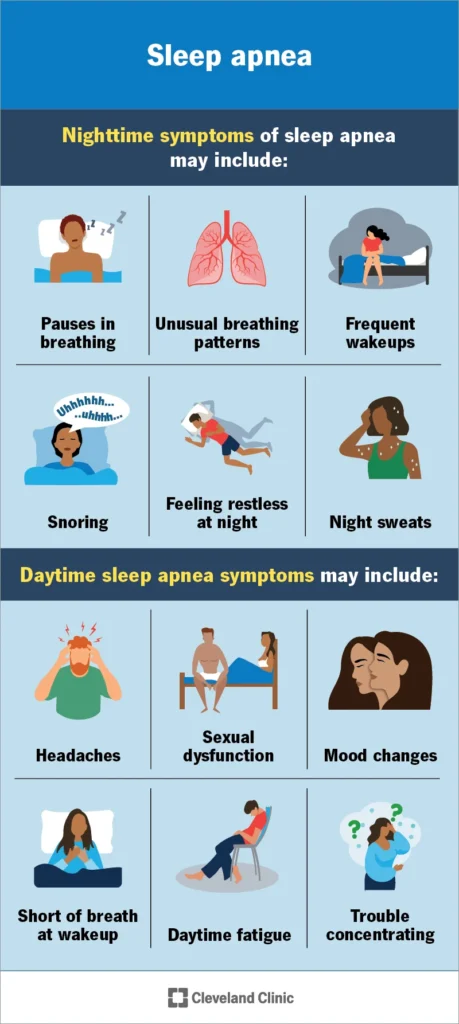
- Know the red flags: Pauses in breathing, gasping, or heavy daytime sleepiness = get evaluated.
Overview: what people are talking about right now
Snoring is having a moment in the culture again. Sleep trackers are everywhere, “smart” pillows keep launching, and burnout has people hunting for quick wins. Add travel fatigue and you get the same story: you come home wrecked, your partner jokes about the “chainsaw,” and Monday meetings feel brutal.
Recent health coverage has also pushed a bigger point: sleep-disordered breathing can affect how you feel and function during the day. That includes focus, mood, and mental performance. Not every snorer has sleep apnea, but it’s smart to treat snoring as a signal, not just a punchline.
If you want a general read on the conversation around bedroom triggers and practical fixes, see Your bed could be hiding the biggest causes of snoring, but help could be hidden in the freezer.
Timing: when to run this checklist (so it actually works)
Pick a 7-night window. Don’t try everything in one night. That’s how people end up with three new gadgets and the same snore.
Best time to start
Start after a “normal” day. If you’re jet-lagged, sick, or coming off late nights, your results won’t mean much.
What to track (simple, not obsessive)
- Bedtime and wake time
- Alcohol or heavy meals within 3–4 hours of bed
- Sleep position (back vs side)
- Partner report: louder, quieter, or no change
- Morning feel: refreshed vs foggy
Supplies: what you need for a practical, budget-first test
- Fresh pillowcase and clean bedding basics
- Saline rinse or gentle nasal spray (non-medicated options if appropriate)
- Water at bedside (dry mouth makes nights feel worse)
- A way to encourage side-sleeping (body pillow or folded blanket)
- If you’re testing jaw position: an anti snoring mouthpiece from a reputable source
If you’re comparing options, start here: anti snoring mouthpiece.
Step-by-step (ICI): Identify → Change → Iterate
This is the fastest way to narrow down what’s driving your snoring without turning your bedroom into a lab.
I — Identify your most likely trigger
Use these quick tells:
- Only on your back: airway collapse and jaw drop are common contributors.
- Worse with congestion: nasal blockage pushes mouth-breathing.
- Worse after drinking: extra throat relaxation can increase vibration.
- Worse during burnout weeks: sleep debt can change sleep depth and muscle tone.
C — Change one variable for 2–3 nights
Pick one lane:
- Bedroom lane: wash bedding, reduce dust, keep the room comfortably cool, and consider humidity if you wake dry.
- Nasal lane: support nasal breathing before bed. Keep it gentle and consistent.
- Position lane: commit to side-sleeping. Make it easy, not heroic.
- Jaw lane: trial an anti snoring mouthpiece designed to support jaw/tongue position.
I — Iterate based on what happened
If snoring drops when you change position, keep that habit and stop buying new things. If snoring improves with jaw support, a mouthpiece may be your most efficient next step. If nothing changes, stop guessing and consider a professional evaluation, especially if you have red-flag symptoms.
Mistakes that waste a whole week (and keep you tired)
Stacking fixes all at once
If you add a new pillow, mouth tape, a supplement, and a humidifier in one night, you won’t know what helped. You’ll also quit faster.
Ignoring mouth-breathing clues
Dry mouth, sore throat, and waking thirsty often point to mouth-breathing. That doesn’t prove a cause, but it’s useful information.
Assuming “snoring = harmless”
Snoring can be benign. It can also show up alongside obstructive sleep apnea. If you notice gasping, witnessed pauses, morning headaches, or serious daytime sleepiness, get checked.
Expecting CPAP to be silent in every setup
Some people still hear snoring-like sounds with CPAP due to leaks, pressure issues, or mouth leak. That’s a troubleshooting conversation for your sleep clinician or equipment provider.
FAQ: quick answers
Can an anti snoring mouthpiece help sleep quality?
It can, if it reduces snoring and micro-awakenings for you or your partner. Better continuity often matters as much as total hours.
What if my snoring is mostly from my nose?
Start with nasal support and bedroom triggers. If you still mouth-breathe at night, jaw support may still be relevant.
When should I skip DIY and get tested?
Seek evaluation if you have loud nightly snoring plus choking/gasping, witnessed pauses, high daytime sleepiness, or safety concerns (like drowsy driving).
CTA: make the next move, not a gadget pile
If your checklist points to jaw position or back-sleeping as the main driver, a mouthpiece is a reasonable, budget-conscious next test.
How do anti-snoring mouthpieces work?
Medical disclaimer: This article is for general education only and isn’t medical advice. Snoring can be a symptom of obstructive sleep apnea or other conditions. If you have breathing pauses, gasping, chest pain, severe daytime sleepiness, or concerns about CPAP or oral devices, talk with a qualified clinician.