
Is your snoring getting worse, or are you just noticing it more?
Is your sleep quality actually improving, or are you chasing numbers on an app?
Can an anti snoring mouthpiece help without turning bedtime into a science project?
Those are the questions people keep asking lately, especially as sleep gadgets get smarter and burnout gets louder. Here’s the grounded answer: you don’t need perfect data to take a smart next step. You need a clear plan, a simple test window, and a safety check for sleep apnea.
Big picture: why snoring is suddenly everyone’s topic
Snoring has always been around. What’s new is how often we talk about it. Wearables and bedside sensors now claim to track breathing patterns, movement, and snoring. That makes snoring feel like a “metric” you should optimize.
Add modern life. Travel fatigue, late-night scrolling, and workplace stress can all push sleep in the wrong direction. Then snoring becomes the problem that spills into everything else: mood, focus, workouts, and morning patience.
Some recent conversations also connect sleep-disordered breathing with mental sharpness and long-term health. That’s not meant to scare you. It’s a reminder to treat persistent snoring as worth addressing, not as a punchline you ignore forever.
If you want a sense of what people mean by sleep monitoring right now, skim this overview-style reference on Sleep monitoring: breath, apneas, movements and snoring. Use it as context, not as a diagnosis tool.
The emotional layer: snoring isn’t just noise
Snoring can turn bedtime into negotiation. One partner nudges. The other insists they’re “not even asleep yet.” It’s funny until it isn’t.
Sleep loss also stacks up fast. After a week of fragmented nights, people often feel more reactive at work and less resilient at home. That’s why snoring solutions trend whenever “wellness” trends do. Everyone is looking for the easiest lever that improves real life.
If you’re trying to conceive, timing and ovulation can already make nights feel high-stakes. The goal here is not to add pressure. Better sleep can support energy, mood, and consistency, which helps you show up for the process without overcomplicating it.
Practical steps: a no-drama way to test what helps
Step 1: do a quick pattern check
Before you buy anything, note what’s true on your loudest nights:
- More snoring after alcohol, big late meals, or travel days
- More snoring on your back than on your side
- Dry mouth in the morning (often points to mouth breathing)
- Nasal congestion or seasonal allergies
This isn’t about perfection. It’s about choosing the most likely fix first.
Step 2: clean up the “easy wins” for 7 nights
Try a short reset window:
- Keep a consistent bedtime and wake time when you can
- Limit alcohol close to bedtime
- Side-sleep if back-sleeping makes snoring worse
- Address nasal stuffiness (saline rinse or shower steam can be enough for some people)
If your snoring drops and you feel better, great. If it doesn’t, you’ve still learned something useful.
Step 3: consider an anti snoring mouthpiece as a focused experiment
An anti snoring mouthpiece (often a mandibular advancement-style device) aims to reposition the jaw forward to reduce tissue collapse and vibration. In plain terms, it can help keep the airway more open for some snorers.
This approach is especially popular right now because it’s tangible. You can try it without installing a new gadget ecosystem or turning your nightstand into a charging station.
If you’re comparing options, you can look at an anti snoring mouthpiece. A chin strap is sometimes used to encourage nasal breathing and reduce mouth-open snoring.
Step 4: decide how you’ll measure “working”
Pick two or three simple markers for two weeks:
- Partner report: volume and frequency (quick 1–5 rating)
- Morning symptoms: dry mouth, headache, jaw tightness
- Daytime function: energy, focus, irritability
If you use a sleep app, treat it like a journal. Don’t let it become a judge.
Safety and testing: when to stop DIY and get checked
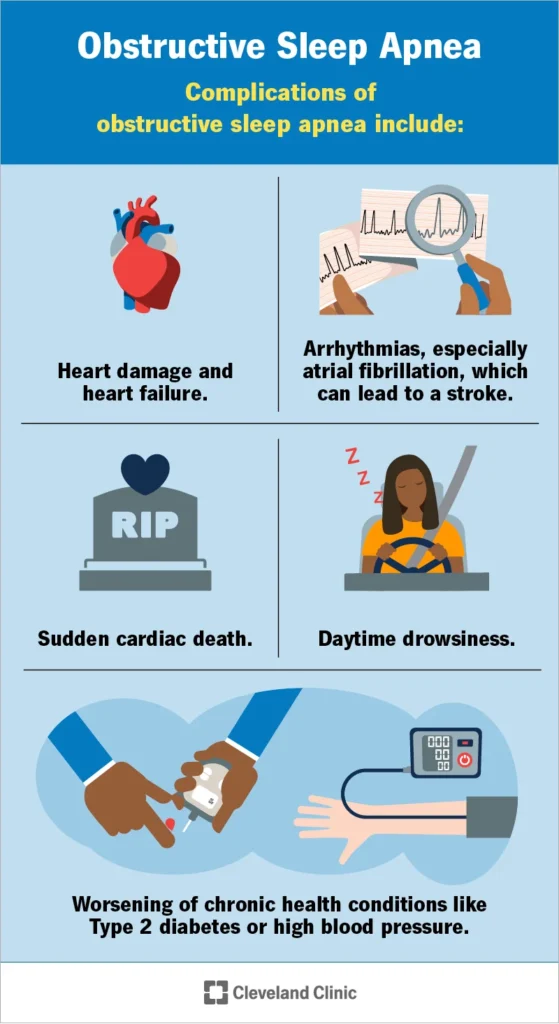
Snoring can be harmless. It can also be a sign of obstructive sleep apnea (OSA). OSA is commonly discussed now because it may affect more than just sleepiness, including cognitive performance and overall health.
Red flags you should not ignore
- Witnessed pauses in breathing
- Choking or gasping during sleep
- Excessive daytime sleepiness
- Morning headaches
- High blood pressure or heart risk factors
If any of these fit, talk to a clinician about proper evaluation. A mouthpiece may still be part of your plan, but you’ll want the right diagnosis first.
Mouthpiece comfort checks
A mouthpiece should not cause ongoing pain. Stop and reassess if you notice persistent jaw soreness, tooth pain, gum irritation, or changes in how your bite feels. If you have TMJ problems or dental concerns, get professional guidance before continuing.
Medical disclaimer: This article is for general education and does not provide medical advice, diagnosis, or treatment. If you suspect sleep apnea or have concerning symptoms, consult a licensed healthcare professional.
FAQ: quick answers people want right now
Will a mouthpiece help if my snoring is mostly from my nose?
Sometimes, but not always. If congestion is the main driver, nasal-focused steps may matter more. A mouthpiece can still help if jaw position also contributes.
Is it normal to feel weird the first few nights?
Yes, many people need an adjustment period. Comfort should improve, not worsen. Don’t push through sharp pain.
Can I use a mouthpiece only on travel nights?
Some people do, especially when travel fatigue or hotel sleep makes snoring louder. Consistency often gives clearer results, so test it at home first.
CTA: keep it simple and take the next step
If you’re ready to move from “we should do something” to a real plan, start with one focused experiment and a clear test window. You’ll learn more in two weeks than you will from months of guessing.