
Before you try anything, run this quick checklist.
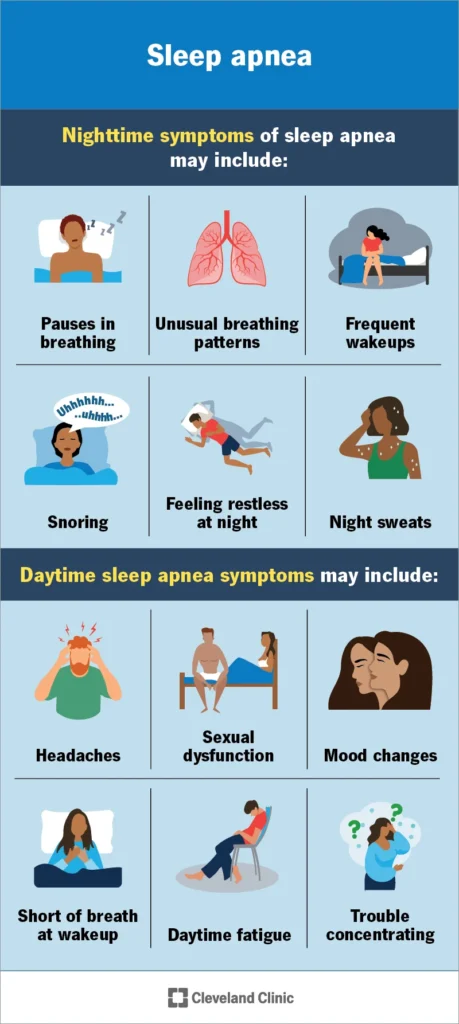
- Is it “just noise” or a health flag? Snoring plus choking, gasping, or witnessed breathing pauses needs a medical conversation.
- Is sleep quality crashing? Morning headaches, dry mouth, brain fog, or irritability are common signs your night isn’t doing its job.
- Is it situational? Travel fatigue, alcohol, congestion, and burnout can turn mild snoring into an all-night soundtrack.
- Are you in a gadget spiral? Sleep wearables can help you notice patterns, but they can’t replace real evaluation.
- Do you want a simple, reversible trial? An anti snoring mouthpiece is often considered because it’s noninvasive and easy to test.
Big picture: why snoring is suddenly everyone’s topic
Snoring isn’t new. What’s new is how many people are tracking it. Sleep gadgets now spotlight things like breathing, movement, and snoring intensity. That visibility makes snoring feel urgent, even when the cause is simple.
At the same time, headlines keep connecting sleep to mental performance and long-term health. That mix—more data, more anxiety, more burnout—pushes people to look for fast fixes. Some are smart. Others are just expensive nightstand clutter.
If you’re curious about the broader trend of tracking breathing and snoring signals, see this general overview here: Sleep monitoring: breath, apneas, movements and snoring.
The emotional side: snoring turns into a relationship problem fast
Snoring rarely stays neutral. It becomes a nightly negotiation: who gets the pillow wall, who takes the couch, who “started it.” Jokes help, but resentment builds when one person is always the tired one.
Workplace burnout makes this worse. When your day already feels like too much, you don’t have extra patience at 2 a.m. That’s why the best plan is the one that reduces friction, not the one that demands perfection.
Try this script: “I’m not blaming you. I’m worried about our sleep. Can we test one change for a week and see what happens?” It lowers defenses and keeps the goal shared.
Practical next steps (no drama, just progress)
1) Get clear on what’s changing your snoring
Snoring often spikes with a few repeat triggers: sleeping on your back, nasal congestion, alcohol close to bedtime, and inconsistent sleep schedules. Travel can stack all of these at once. That’s why people snore more on work trips or after red-eye flights.
If you use a sleep tracker, treat it like a notebook. Look for patterns across several nights. Don’t obsess over a single “bad” score.
2) Decide what you’re trying to solve
There are two common goals:
- Reduce noise for the room (relationship peace, fewer wake-ups).
- Improve sleep quality (less fragmentation, better morning energy).
They overlap, but they aren’t identical. A quieter night is great. Restorative sleep is the real win.
3) Where an anti snoring mouthpiece fits
An anti snoring mouthpiece is popular because it’s a direct, mechanical approach. Many designs aim to keep the airway more open by adjusting jaw or tongue position during sleep. For some snorers, that’s the missing piece.
People often compare mouthpieces to “turning the volume down at the source,” rather than masking sound. If your snoring is position-related or tied to how your mouth relaxes at night, a mouthpiece trial can be a practical experiment.
If you’re researching options, you can start here: anti snoring mouthpiece.
4) A simple 7-night test plan
- Night 1–2: Focus on comfort and fit. Expect an adjustment period.
- Night 3–5: Track outcomes that matter: fewer wake-ups, partner reports, morning dryness, energy.
- Night 6–7: Compare to your baseline week. Decide if it’s “noticeably better” or “not worth it.”
Keep the scoring simple. A 1–5 rating for snoring loudness and morning refreshment is enough.
Safety and reality checks (especially with apnea concerns)
Know the red flags
Snoring can be harmless, but it can also show up alongside obstructive sleep apnea. Consider medical evaluation if you notice loud snoring plus any of the following: witnessed breathing pauses, choking/gasping, significant daytime sleepiness, or high blood pressure concerns.
Also pay attention if you’re making a common “one mistake at night” repeatedly—like consistently shorting sleep or combining multiple sleep-disruptors. General health coverage has been emphasizing that sleep habits can affect cardiovascular strain over time. If you’re worried, it’s worth discussing with a clinician.
Use mouthpieces responsibly
Stop and reassess if you have jaw pain, tooth pain, gum irritation, or headaches that persist. Comfort matters because you can’t benefit from something you won’t wear.
If you have dental issues (like loose teeth, active gum disease, or significant TMJ symptoms), ask a dental professional before committing to long-term use.
What trackers can (and can’t) tell you
Sleep trackers can highlight trends: snoring nights, restless nights, and possible breathing irregularities. They cannot diagnose sleep apnea. Treat them as a prompt to investigate, not a final answer.
FAQ
Do anti-snoring mouthpieces work for everyone?
No. They can help some people, especially when snoring is related to jaw position, but results vary by anatomy and the cause of snoring.
Is loud snoring always a sign of sleep apnea?
Not always, but it can be a clue. If snoring comes with choking/gasping, pauses in breathing, or heavy daytime sleepiness, get evaluated.
How fast can a mouthpiece reduce snoring?
Some people notice a change in the first few nights. Others need an adjustment period to get used to sleeping with it.
Can sleep trackers diagnose sleep apnea?
No. Trackers may flag patterns like snoring or breathing irregularities, but only a clinician can diagnose sleep apnea with proper testing.
What if my partner snores and won’t address it?
Pick a calm time to talk, focus on shared sleep quality, and suggest a low-friction first step like tracking, a mouthpiece trial, or a medical screening if red flags show up.
Your next move (keep it simple)
If snoring is disrupting your sleep, don’t wait until you’re both running on fumes. Start with one test you can actually stick with for a week. If you see red flags, prioritize a medical check.
How do anti-snoring mouthpieces work?
Medical disclaimer: This article is for general education only and is not medical advice. It does not diagnose, treat, or replace care from a qualified clinician. If you suspect sleep apnea or have concerning symptoms, seek professional evaluation.