
Is your snoring getting worse lately? Are sleep gadgets and trackers telling you your sleep quality is “off”? And are you wondering if an anti snoring mouthpiece is the simplest next move?
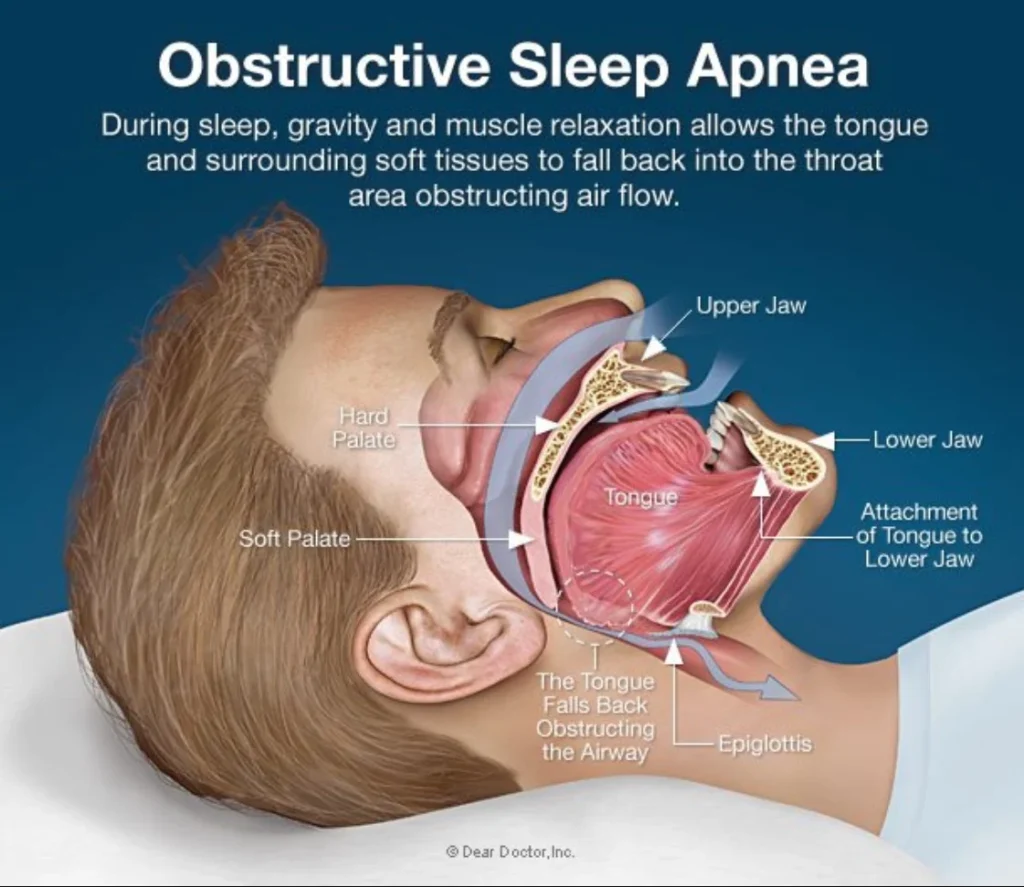
Yes, snoring can spike during stressful weeks, after travel, or when burnout messes with routines. Yes, the “sleep tech” trend can help you notice patterns, but it can also send you into a late-night rabbit hole. And yes, a mouthpiece can be a practical option for many people—if you screen for red flags and set it up correctly.
Overview: What people are talking about right now (and why it matters)
Snoring is having a moment in the culture. You see it in relationship jokes (“I love you, but please stop sounding like a leaf blower”) and in workplace burnout conversations where everyone is tired all the time. You also see it in the rise of sleep gadgets—rings, mats, apps, and “smart” everything.
At the same time, there’s renewed attention on basics that get overlooked. Your sleep environment can quietly contribute to snoring. Think allergens, dryness, and airflow. One recent story even pointed people back to the bed itself and simple at-home tactics. If you want that general angle, here’s a related read: Your bed could be hiding the biggest causes of snoring, but help could be hidden in the freezer.
Also trending: dentistry and airway-focused conversations. Many people are learning that snoring isn’t just “noise.” It can be a breathing and sleep health signal. That doesn’t mean you should self-diagnose. It does mean you should take patterns seriously.
Timing: When to try a mouthpiece vs. when to get screened
Try an anti-snoring mouthpiece when snoring seems situational and you feel otherwise well. Common examples include snoring that’s worse after alcohol, during allergy season, or when you sleep on your back.
Get screened first if you notice any of these:
- Pauses in breathing, choking, or gasping during sleep (reported by a partner or caught on audio)
- Excessive daytime sleepiness, morning headaches, or brain fog that doesn’t match your schedule
- High blood pressure or other health risks plus loud, frequent snoring
- Snoring that’s new and persistent without an obvious trigger
These can be associated with sleep apnea, which needs medical evaluation. A mouthpiece may still be part of care for some people, but it should be guided by a clinician.
Supplies: What you need for a low-drama, safer setup
- Notebook note or phone note to document what you tried and what changed (helps you avoid guessing)
- Basic cleaning supplies: mild soap, cool water, a dedicated toothbrush for the device
- Nasal support (optional): saline rinse or strips if congestion is a known trigger
- Your mouthpiece (follow the manufacturer’s instructions exactly)
If you’re shopping, start with a clear category: mandibular advancement (jaw-forward) or tongue-retaining. Comfort and fit drive adherence. If you want a place to compare, see anti snoring mouthpiece.
Step-by-step (ICI): Identify → Choose → Implement
1) Identify your likely snoring triggers (10 minutes)
Use a quick “ICI” check-in. You’re not diagnosing. You’re narrowing variables.
- Inflammation/congestion: allergies, colds, dry air, mouth breathing
- Collapse risk: back sleeping, alcohol close to bedtime, heavy fatigue from travel
- Interface/environment: dusty bedding, old pillows, bedroom dryness, inconsistent sleep schedule
Document what’s true for you this week. Travel fatigue and late-night work sprints are common culprits. They also make you more likely to buy a new gadget at 1 a.m.
2) Choose the simplest next lever
Pick one change for three nights. That keeps you honest.
- If you suspect environment: wash bedding, consider pillow age, and reduce bedroom dryness.
- If you suspect position: try side-sleep support.
- If you suspect airway mechanics: consider an anti snoring mouthpiece.
3) Implement the mouthpiece safely (and track results)
Follow the product directions for fitting and cleaning. If it’s adjustable, don’t jump to maximum advancement on night one. Comfort matters because you need consistent use to learn whether it helps.
Track three simple outcomes:
- Snoring volume/frequency (partner report or a simple recording)
- How you feel in the morning (refreshed vs. foggy)
- Jaw/tooth comfort (any soreness, bite changes, or headaches)
For relationship harmony, agree on a neutral “data” check-in. Keep it light. Snoring is funny until nobody sleeps.
Mistakes that waste money (or create new problems)
Buying three devices before you fix the basics
Sleep trackers can be useful, but they don’t remove allergens from bedding or change sleep position. Start with fundamentals, then add tools.
Ignoring dental and jaw red flags
Skip DIY experimentation if you have significant TMJ pain, loose teeth, gum disease, or recent dental work. A dentist can help you avoid making things worse.
Using a mouthpiece as a substitute for sleep apnea screening
If you have breathing pauses, gasping, or heavy daytime sleepiness, treat that as a medical priority. Don’t “power through” with a device and hope for the best.
Cleaning shortcuts
Dirty devices can irritate gums and mouth tissues. Clean it as directed, let it dry, and store it properly. If you’re sick, be extra careful with hygiene and replacement timing per manufacturer guidance.
FAQ (quick answers)
Do mouthpieces help with sleep quality or just noise?
If snoring drops and breathing is steadier, many people report better sleep continuity. If you still wake unrefreshed, consider screening for sleep apnea or other sleep issues.
What if my snoring is mostly from my nose?
Nasal congestion can be a major driver. You may need a combined approach: nasal support plus a mouthpiece, or a different strategy altogether.
How long should I test a mouthpiece before deciding?
Give it a short, structured trial (often 1–2 weeks) while tracking comfort and results. Stop if pain is significant or bite changes persist, and consult a clinician.
CTA: Make one smart move tonight
If you want a practical next step that doesn’t require a full gadget overhaul, an anti snoring mouthpiece can be a reasonable option for many adults. Start with screening, fit it carefully, and document what changes.
How do anti-snoring mouthpieces work?
Medical disclaimer: This article is for general education only and is not medical advice. Snoring can be a symptom of sleep apnea or other conditions. If you have breathing pauses, choking/gasping, significant daytime sleepiness, chest pain, or worsening symptoms, seek medical evaluation from a qualified clinician.