
- Snoring is trending again because people are connecting sleep quality to focus, mood, and “brain fog.”
- Sleep gadgets are everywhere, but the simplest fixes still start with airflow and sleep position.
- An anti snoring mouthpiece may help if your snoring is related to jaw/tongue position.
- Travel fatigue and burnout can make snoring worse by fragmenting sleep and increasing congestion.
- If there are breathing pauses, gasping, or extreme daytime sleepiness, treat it as a medical issue.
What people are talking about right now (and why)
Snoring has moved from “annoying relationship joke” to “sleep health headline.” Recent coverage has tied disrupted breathing at night to daytime mental performance and cognitive health. That’s a big reason couples are suddenly comparing notes like coworkers comparing productivity hacks.
At the same time, new devices and clinical testing keep making news. The vibe is clear: people want solutions that feel modern, but they also want something that works without turning bedtime into a science project.
If you’re deep in sleep-tech mode, it can help to zoom out. A tracker can show patterns, but it doesn’t open your airway. The question is which tool matches your snoring type.
Related reading that’s driving the conversation: Obstructive Sleep Apnea, Cognitive Health, and Mental Performance.
The part that matters medically (without the panic)
Snoring usually means turbulent airflow. Something is narrowing the passage as you sleep. Common contributors include nasal congestion, sleeping on your back, alcohol near bedtime, or anatomy that makes the airway more collapsible.
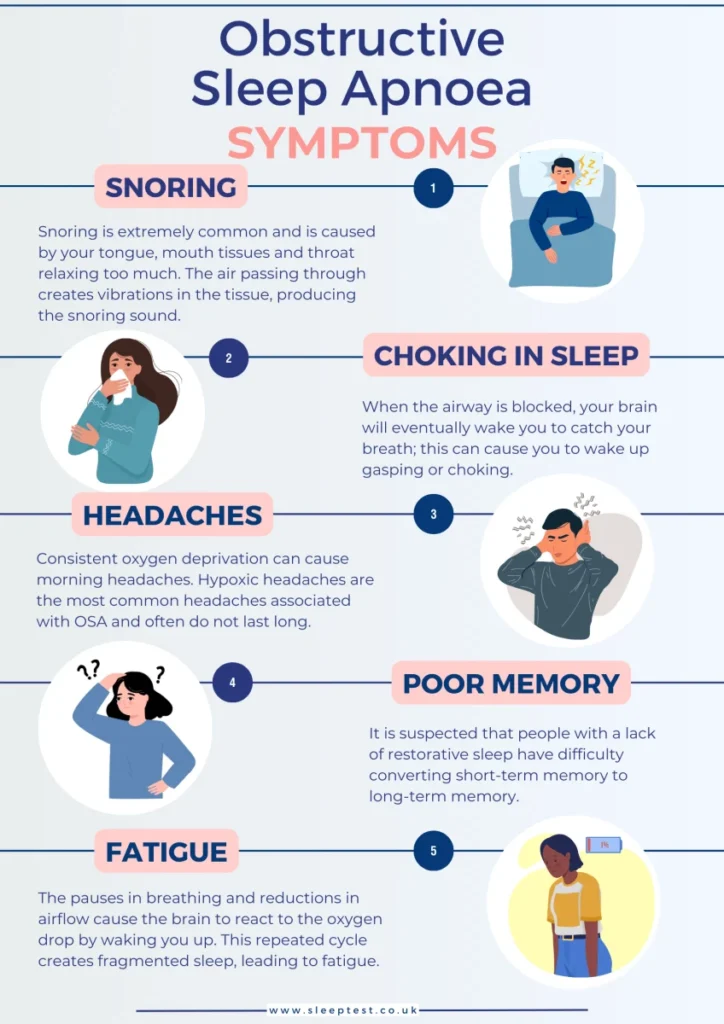
Here’s the key distinction: snoring can be “simple snoring,” or it can be a sign of obstructive sleep apnea (OSA). OSA involves repeated breathing reductions or pauses that disrupt sleep and can strain the body over time.
Clues that snoring may be more than noise
- Gasping, choking, or witnessed breathing pauses
- Waking up with headaches or a very dry mouth
- Strong daytime sleepiness, dozing off easily, or concentration problems
- High blood pressure or a history of cardiometabolic risk
If any of those fit, don’t just “upgrade your gadget.” Consider a clinical conversation and appropriate testing.
Where an anti-snoring mouthpiece fits
Many anti-snoring mouthpieces are designed to support the jaw and tongue position so the airway stays more open. If your snoring is worse on your back or improves when your jaw is slightly forward, this category may be worth a look.
Not all mouthpieces feel the same. Comfort, adjustability, and fit can change whether you actually keep it in all night.
If you’re comparing options, start here: anti snoring mouthpiece.
What you can try at home (low-drama, high-signal)
Think of this as a quick experiment. Change one or two variables for a few nights. Then reassess with real feedback (yours and your partner’s).
Tonight’s short list
- Side-sleep: A body pillow or backpack trick can reduce back-sleeping.
- Clear the nose: If you’re congested, address it with safe, common-sense measures that work for you.
- Move alcohol earlier: Alcohol close to bedtime can relax airway muscles.
- Set a consistent wind-down: Burnout sleep is often fragmented sleep. Regular timing helps.
- Trial a mouthpiece: If snoring seems positional or jaw-related, a mouthpiece may reduce the vibration and airflow narrowing.
How to evaluate results without overthinking
Skip perfection. Aim for trends. If you wake up fewer times, feel less foggy, or your partner reports less snoring, that’s meaningful.
If you want data, use your phone audio recording for a couple nights. Keep it simple. You’re looking for “less and quieter,” not a lab report.
When to get help (and what to say at the appointment)
Seek medical guidance if you suspect sleep apnea, if symptoms are escalating, or if you’re relying on caffeine to function. It’s also smart to talk with a clinician if you have loud nightly snoring plus daytime sleepiness.
Bring this info
- How often you snore (most nights vs. occasional)
- Any witnessed pauses, gasping, or choking
- Morning symptoms (headaches, dry mouth)
- Daytime impact (sleepiness, mood, focus)
- What you’ve already tried (side-sleeping, mouthpiece trial, etc.)
Medical disclaimer: This article is for general education and does not replace medical advice. Snoring can have multiple causes. A clinician can help evaluate symptoms and determine whether sleep apnea testing or a specific treatment is appropriate.
FAQ
What is an anti snoring mouthpiece?
It’s an oral appliance worn at night that aims to reduce snoring by improving airflow, often by gently positioning the lower jaw forward.
Do mouthpieces help with sleep apnea?
Some oral appliances can help certain cases, but sleep apnea needs proper evaluation. If you suspect apnea, talk with a clinician for testing and guidance.
How fast can a mouthpiece reduce snoring?
Some people notice a change within a few nights, but fit and comfort matter. Give it a short trial period and track symptoms like sleepiness and partner reports.
What are signs my snoring could be more serious?
Loud snoring with choking/gasping, witnessed breathing pauses, morning headaches, high daytime sleepiness, or high blood pressure are common red flags to discuss with a clinician.
What else can I try tonight besides a mouthpiece?
Side-sleeping, reducing alcohol close to bedtime, treating nasal congestion, and keeping a consistent sleep schedule can all reduce snoring for many people.
Next step
If snoring is hurting your sleep quality (or your relationship’s sense of humor), a mouthpiece is one of the most direct at-home tools to try—especially when the pattern looks positional.