
- Snoring is rarely “just noise.” It’s often a sleep-quality problem for two people, not one.
- Your bed setup can be part of the trigger. Allergens, dryness, and positioning can stack the odds against you.
- Travel fatigue and burnout make snoring louder. Poor sleep routines, alcohol timing, and congestion matter.
- An anti snoring mouthpiece can be a practical tool. It targets airway positioning, not vibes.
- Safety comes first. Know the red flags for sleep apnea and when to get checked.
The big picture: why snoring is having a moment
Snoring keeps popping up in the same conversations as sleep trackers, “smart” pillows, and recovery routines. That’s not random. People are tired, traveling more, and trying to squeeze better sleep into packed schedules.
When your nights get chopped up, everything feels harder. Focus drops at work. Workouts feel heavier. Even small relationship stuff becomes a running joke—until it isn’t funny at 2:00 a.m.
Recent sleep headlines have also pushed a simple idea: your bedroom environment can quietly fuel snoring. Think of it as friction in the system. You might not notice it during the day, but your airway notices at night.
Snoring 101 in one paragraph (no jargon)
Snoring happens when airflow meets resistance and nearby tissues vibrate. That resistance can come from congestion, sleep position, mouth breathing, or how your jaw and tongue sit when you relax. Most “quick fixes” work by reducing resistance or changing positioning.
The emotional side: sleep loss is a relationship issue (and a you issue)
Snoring rarely stays contained. Partners start nudging, rolling away, or moving to the couch. Then the story becomes, “I sleep fine,” vs. “I never sleep.” That mismatch creates tension fast.
It also hits solo sleepers. If you wake with a dry mouth, a sore throat, or feel unrefreshed, you’re paying a sleep-quality tax. Over time, that can look like irritability, brain fog, or “why am I so wiped out?”
One more modern twist: people now bring snoring on the road. Hotel air can feel dry. Time zones and late dinners change breathing patterns. Even a short work trip can turn mild snoring into a full-volume event.
Practical steps: a bed-to-breath checklist you can try this week
Before you buy another gadget, run a quick reset. The goal is simple: reduce irritation, support nasal breathing, and keep your airway less collapsible.
1) Audit your “bed ecosystem” (dust, dryness, and airflow)
Your bed can hide snore triggers in plain sight. Dust and allergens can drive nighttime congestion. Dry air can also push you toward mouth breathing.
Try a basic refresh: wash bedding regularly, consider an allergy-friendly pillow cover, and keep the room comfortably cool. If you’re prone to congestion, cleaning up the sleep environment is a low-cost win.
Some people also talk about cold-based comfort tricks for irritation (the kind of idea you’d hear in lifestyle coverage). Keep it general: cold can feel soothing for some, but it’s not a universal fix.
2) Positioning: make gravity work for you
Back sleeping often makes snoring worse because the jaw and tongue can drift backward. Side sleeping can reduce that tendency for many people.
If you keep ending up on your back, use simple barriers: a body pillow, a supportive pillow behind your back, or a setup that makes side sleep the default. Keep it comfortable. If it’s miserable, you won’t stick with it.
3) Reduce mouth breathing (the quiet driver of “dry and loud” nights)
Mouth breathing dries tissues and can increase vibration. Nasal breathing is often calmer and quieter.
Support nasal breathing with common-sense moves: address congestion, avoid heavy meals right before bed, and limit alcohol close to bedtime if it reliably worsens snoring for you. If you suspect allergies, consider discussing options with a clinician.
4) Where an anti-snoring mouthpiece fits (and why people are shopping for them)
If your snoring is tied to jaw position or relaxed airway posture, an anti snoring mouthpiece can help by changing what your jaw and tongue do when you fall asleep. That’s why mouthpieces keep showing up in “best of” roundups and product reviews.
There are two common design approaches:
- Mandibular advancement: gently holds the lower jaw forward to keep the airway more open.
- Tongue support: helps keep the tongue from falling back.
Comfort matters as much as mechanics. If it’s bulky, it won’t last the week. If it’s too aggressive, your jaw may complain.
ICI basics: fit, comfort, and cleanup (the stuff that decides whether you quit)
- Initial fit: Follow the manufacturer’s fitting steps. A sloppy fit tends to slip, rub, or trigger drooling.
- Comfort: Aim for “noticeable but tolerable.” Pain is a stop sign, not a badge of progress.
- Incremental changes: If the device is adjustable, small changes beat big jumps.
- Cleanup: Rinse after use and clean as directed. Odor and buildup end routines quickly.
Safety and testing: don’t miss the bigger health picture
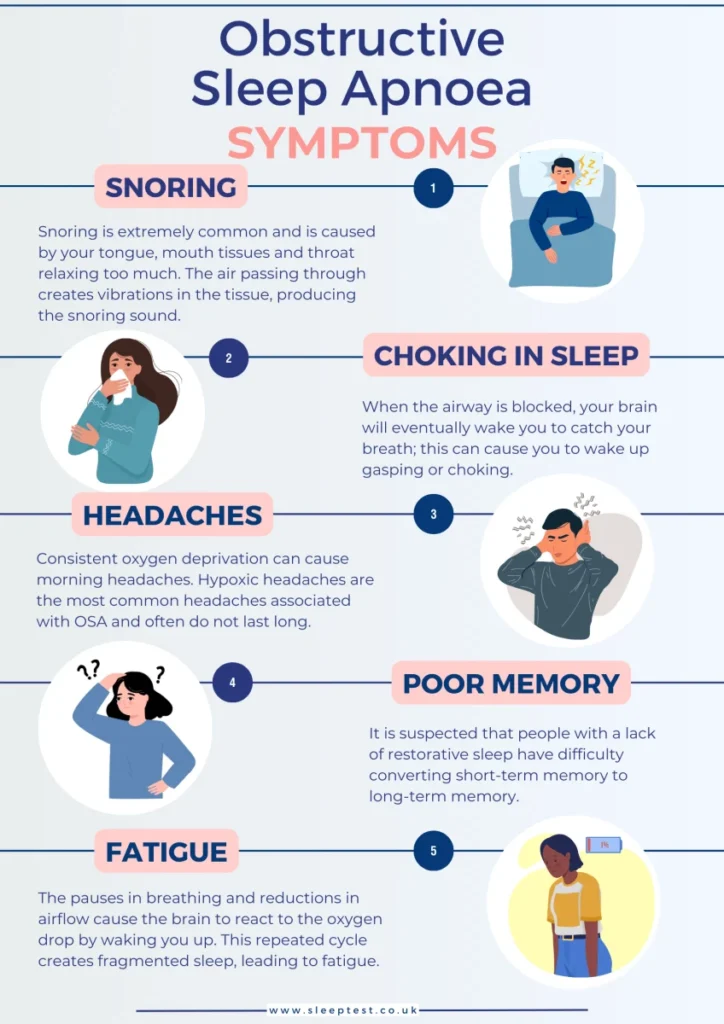
Snoring can be simple, but it can also overlap with sleep apnea. Sleep apnea is a medical condition involving repeated breathing disruptions during sleep, and it’s worth taking seriously.
Consider talking to a clinician if you notice any of the following:
- Witnessed breathing pauses, choking, or gasping
- Excessive daytime sleepiness, morning headaches, or concentration problems
- High blood pressure concerns, or snoring that suddenly worsens
If you want a general, non-sales overview of the “bed setup” conversation that’s been making the rounds, see this related coverage: Your bed could be hiding the biggest causes of snoring, but help could be hidden in the freezer.
Medical disclaimer (read this)
This article is for general education and does not provide medical advice, diagnosis, or treatment. If you suspect sleep apnea or have persistent symptoms, seek evaluation from a qualified clinician.
CTA: a simple next step if you want a mouthpiece + positioning assist
If you’re prioritizing comfort, positioning, and a routine you’ll actually follow, consider a combined approach that supports the mouth and helps reduce jaw drop.