
Is your snoring getting louder, or are you just noticing it more?
Is your sleep quality sliding because of travel fatigue, burnout, or a new sleep gadget habit?
Should you try an anti snoring mouthpiece, or should you screen for something bigger first?
Yes, snoring is having a moment. People are swapping tips, buying wearables, and joking about “sleep divorces” after rough nights. But the smartest move is still simple: protect sleep quality while you screen for risk.
Is snoring “normal,” or a sign you should take seriously?
Occasional snoring happens. Congestion, alcohol, back-sleeping, and exhaustion can all make the airway noisier. That’s why snoring spikes after business trips, red-eye flights, or a stressful week.
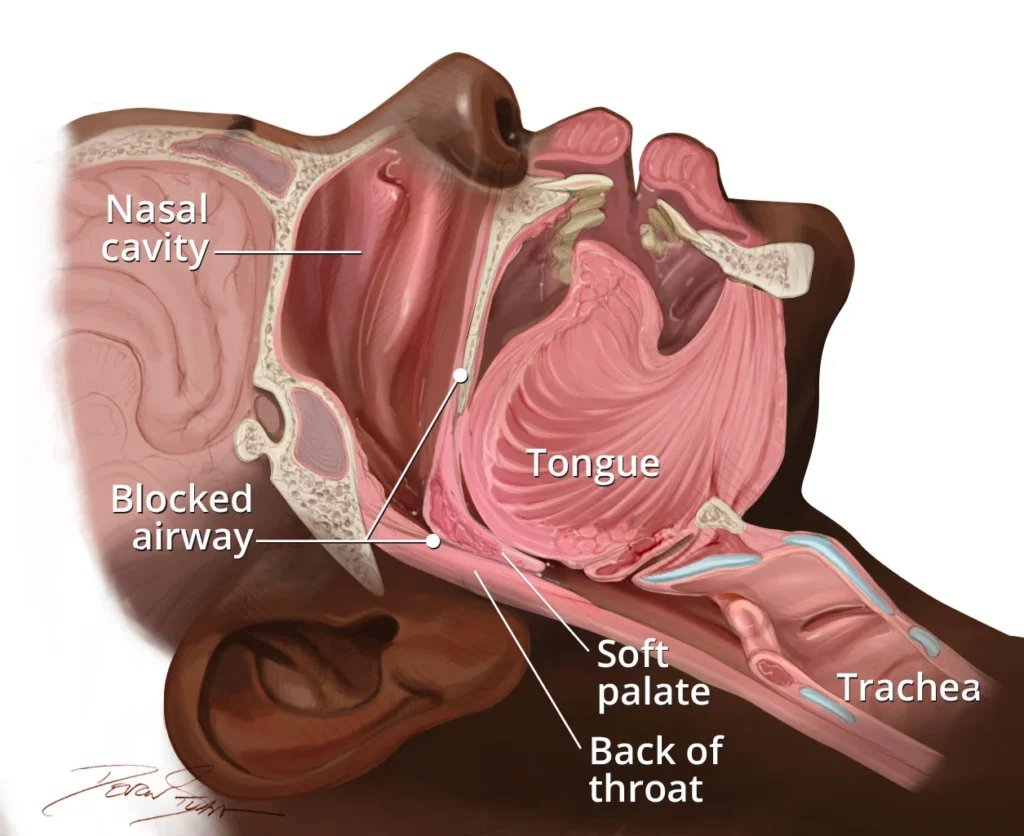
Still, loud and frequent snoring can also overlap with obstructive sleep apnea (OSA). OSA is a breathing problem during sleep that can affect daytime focus and overall health. If you’re seeing headlines about sleep apnea and mental performance, that’s the general idea: disrupted breathing can disrupt recovery.
If you want a general overview of that conversation, see Obstructive Sleep Apnea, Cognitive Health, and Mental Performance.
Fast screen: red flags you shouldn’t ignore
- Someone notices breathing pauses, choking, or gasping
- You wake up unrefreshed most days, even after “enough” hours
- Morning headaches, dry mouth, or frequent nighttime bathroom trips
- High blood pressure, or strong family history of OSA
- Sleepiness that affects driving, work, or mood
If these fit, prioritize screening with a clinician or a sleep specialist. A mouthpiece may still play a role, but you want the right plan first.
What’s actually hurting your sleep quality right now?
Snoring rarely shows up alone. It stacks with modern sleep disruptors: late-night scrolling, “one more episode,” and the always-on work culture. Even well-meaning sleep tech can backfire when it turns bedtime into a performance review.
Also, skin discomfort can wreck sleep. People dealing with itchy or inflamed skin often report fragmented nights. The takeaway is not the diagnosis. It’s the pattern: when sleep gets choppy, snoring often gets worse too.
Quick wins that don’t require buying anything
- Side-sleeping: Back-sleeping can increase airway collapse and vibration.
- Alcohol timing: Alcohol close to bedtime relaxes airway muscles.
- Nasal support: Treat congestion and consider nasal strips if you’re blocked.
- Bedroom basics: Cool, dark, quiet. Keep it boring on purpose.
These steps won’t solve every case. They do reduce noise for many people, and they make mouthpiece results easier to judge.
When does an anti snoring mouthpiece make sense?
An anti snoring mouthpiece is a reasonable next step when snoring is frequent, your partner is losing sleep, and you don’t have obvious red flags for untreated sleep apnea. It’s also popular because it’s low-friction: no batteries, no app, no subscription.
Most mouthpieces aim to keep the airway more open by changing jaw or tongue position. Less vibration usually means less snoring. That can improve sleep quality for both people in the room, which is why it’s trending alongside “relationship sleep hacks.”
Who should be cautious before trying one
- People with significant jaw pain, clicking, or known TMJ disorders
- Anyone with loose teeth, gum disease, or untreated dental work
- People who wake with new tooth pain or notice bite changes
In those cases, get dental guidance. It’s the safer path and it helps you document a reasonable decision if problems show up later.
How do you choose a mouthpiece safely (and reduce risk)?
Buying sleep products is a trend. So is returning them after one uncomfortable night. A safer approach is to set criteria before you click “buy,” then track outcomes like a mini experiment.
Safety checklist before purchase
- Materials and cleaning: Choose something you can clean consistently. Replace it if it cracks, warps, or develops odor.
- Fit strategy: Follow fitting instructions exactly. Poor fit increases jaw strain.
- Comfort plan: Start with shorter wear time. Build up over several nights.
- Stop rules: Stop if you get persistent jaw pain, tooth pain, or bite changes.
Document your “snoring trial” like a pro
- Record 7 nights of baseline: bedtime, wake time, alcohol, congestion, sleep position
- Use a simple snore recording app (optional) to compare before/after
- Track daytime sleepiness and morning headaches
- Write down partner feedback (yes, it counts)
This reduces guesswork. It also helps if you later talk to a clinician about screening.
What about mouthpieces that include a chinstrap?
Some people snore more with mouth-breathing. Others struggle to keep a mouthpiece stable if their jaw drops open during deep sleep. That’s where a combo approach can be appealing.
If you’re comparing options, an anti snoring mouthpiece is designed for people who want both jaw positioning and mouth-closure support in one setup.
Keep expectations realistic. If snoring is driven by untreated sleep apnea, a combo may reduce noise but still won’t address the underlying breathing problem. Screening matters.
Common questions people are asking right now
“Why did my snoring get worse after travel?”
Travel fatigue changes sleep depth, sleep position, and hydration. Hotel air can be dry, and alcohol timing often shifts. Any of those can increase vibration in the airway.
“Can stress and burnout make snoring louder?”
Indirectly, yes. Stress can worsen sleep quality, increase late-night habits, and change breathing patterns. When sleep gets fragmented, snoring complaints often rise.
“Is it okay if my partner wears earbuds and we ignore it?”
Relationship humor aside, persistent loud snoring deserves a look. Earbuds can mask sound, but they don’t address possible breathing issues or your partner’s sleep debt.
FAQ
Can an anti snoring mouthpiece help if I only snore sometimes?
It can, especially if your snoring is position-related or linked to relaxed jaw/tongue at night. Track patterns for a week and reassess if symptoms change.
How do I know if snoring might be sleep apnea?
Red flags include choking/gasping, witnessed breathing pauses, severe daytime sleepiness, morning headaches, or high blood pressure. If these show up, get screened.
Are anti-snoring mouthpieces safe for everyone?
Not for everyone. People with significant jaw pain, untreated dental issues, loose teeth, or certain TMJ problems should talk with a dental professional first.
What’s the difference between a mouthpiece and a chinstrap?
A mouthpiece typically positions the jaw or tongue to keep the airway more open. A chinstrap supports keeping the mouth closed, which may reduce mouth-breathing and vibration.
How long does it take to get used to a mouthpiece?
Many people need several nights to a couple of weeks. Start gradually and stop if you develop persistent jaw pain, tooth pain, or bite changes.
Next step: pick one path and run a 7-night test
If you have red flags, book screening first. If you don’t, run a simple trial: improve basics (side-sleeping, alcohol timing, congestion control), then test a mouthpiece consistently for a week and track results.
How do anti-snoring mouthpieces work?
Medical disclaimer: This article is for general education only and is not medical advice. Snoring can be a symptom of obstructive sleep apnea or other conditions. If you have choking/gasping, witnessed breathing pauses, significant daytime sleepiness, chest pain, or concerns about heart risk, seek medical evaluation promptly.