
Snoring has become a weirdly mainstream topic. It shows up in gadget reviews, wellness rules, and couple jokes that aren’t really jokes.
If you’re tired, your partner is tired, and everyone is a little short-tempered, it’s not “just noise.” It’s a sleep quality problem.
Right now, people want practical fixes—especially simple options like an anti snoring mouthpiece—without turning bedtime into a full-time project.
What people are buzzing about (and why it sticks)
Sleep trends are having a moment. You’ll hear about new “rules” for better rest, wearables that grade your night, and travel fatigue that lingers for days.
At the same time, burnout is real. When work stress is high, patience drops. That’s when snoring turns into a relationship flashpoint.
The new sleep culture: gadgets, rules, and reality
Many headlines push simple frameworks for living longer or feeling sharper. Those ideas can be motivating, but they also create pressure. If your sleep score tanks because of snoring, the fix needs to be realistic.
Other recent coverage points to overlooked bedroom factors. Think bedding, allergens, temperature, and congestion triggers. People even trade home hacks that sound odd at first, because they’re desperate for quiet.
Airway-focused dentistry is in the conversation
Another theme popping up is airway and breathing health. Some dental practices highlight how oral structures and sleep can connect, especially when snoring is persistent.
If you want a general read on that angle, see this related coverage: Creative Smiles Dentistry Advances Airway Dentistry to Address Sleep and Breathing Health in Tucson.
What matters for sleep health (the not-scary medical basics)
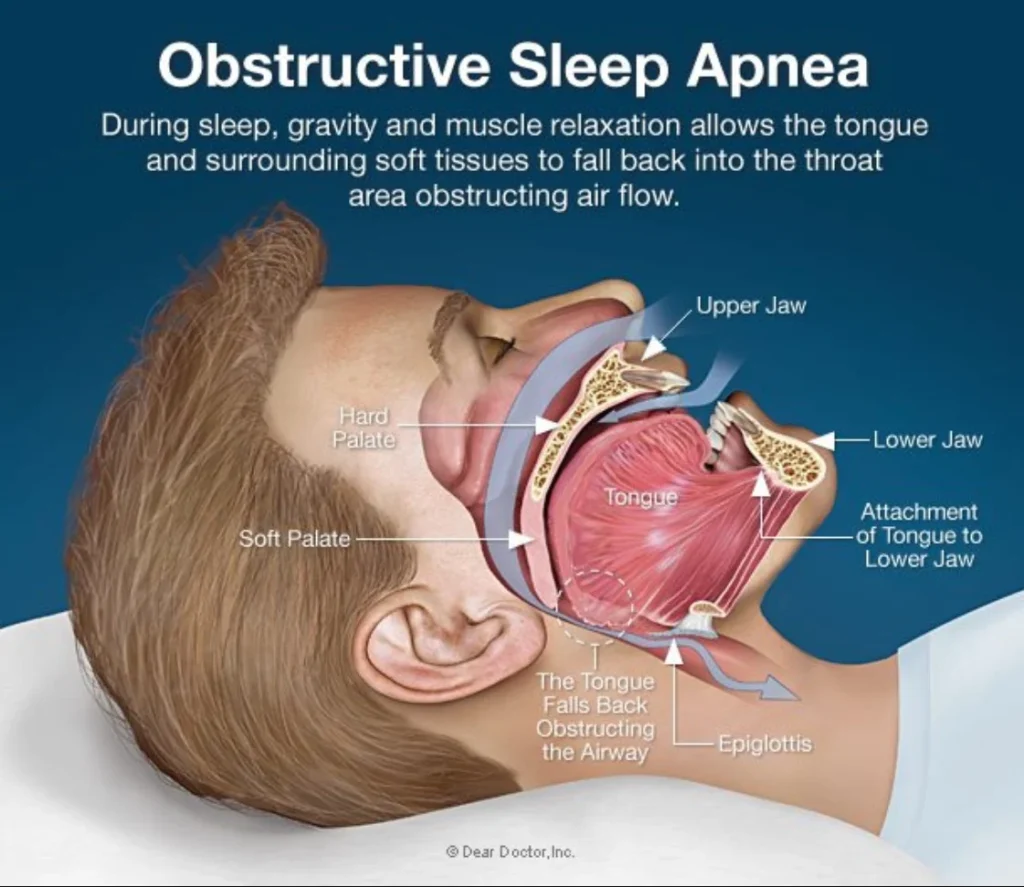
Snoring usually happens when airflow is partially blocked and tissues vibrate. That can be influenced by sleep position, nasal congestion, alcohol, weight changes, jaw position, and the shape of your airway.
Even if snoring doesn’t wake you fully, it can fragment sleep. Micro-arousals add up. You might wake feeling “fine” and still hit a wall by mid-afternoon.
Why the relationship tension is a clue
When one person snores, both people can lose sleep. That can show up as irritability, forgetfulness, and low motivation. The arguments often look like communication problems, but the fuel is fatigue.
A useful reframe is: you’re on the same team, solving a shared sleep environment.
Where an anti snoring mouthpiece fits in
Anti-snoring mouthpieces generally aim to keep the airway more open by supporting the jaw forward or stabilizing the tongue, depending on the design. For some sleepers, that change reduces vibration and volume.
If you’re comparing styles, comfort and fit matter as much as the concept. The “best” option is the one you can tolerate night after night.
If you want to browse examples, start here: anti snoring mouthpiece.
What you can try at home this week (low-drama experiments)
Don’t change ten things at once. Pick two, track results for a few nights, then adjust.
1) Do a quick snore audit
Use a simple voice memo or a snore-tracking app for 2–3 nights. You’re not chasing perfection. You’re looking for patterns, like worse snoring after alcohol, on your back, or during allergies.
2) Reset the bed environment
Snoring often gets blamed on anatomy, but the bedroom can push things in the wrong direction. Wash bedding regularly, consider allergen reduction, and keep the room cool and dark.
If dryness is an issue, hydration and humidity can help comfort. If congestion is the issue, focus on nasal support before you blame your jaw.
3) Try position changes that don’t ruin sleep
Back-sleeping is a common snoring trigger. Side-sleeping can help some people, but forcing it can backfire if you wake up sore.
Experiment with pillow height and neck alignment. If you wake with a stiff neck, your setup may be working against you.
4) Test a mouthpiece thoughtfully
Plan a short trial window. Start on a low-stakes night, like a weekend. Expect an adjustment period.
Stop and reassess if you get jaw pain, tooth pain, or headaches. Those are signals, not “things to push through.”
When it’s time to stop DIY-ing and get help
Snoring can be harmless, but it can also overlap with sleep-disordered breathing. If you notice any of the signs below, bring it up with a clinician.
Red flags to take seriously
- Choking, gasping, or witnessed pauses in breathing during sleep
- Severe daytime sleepiness or dozing off unintentionally
- Morning headaches, dry mouth, or waking unrefreshed most days
- High blood pressure or heart risk factors paired with loud snoring
- Snoring that suddenly worsens without a clear reason
If you’re also managing a chronic inflammatory condition that affects sleep comfort, it’s worth addressing both the condition and the sleep routine. Better sleep is often a “system” fix, not a single product.
FAQ: quick answers people want before bed
Will a mouthpiece help travel fatigue?
It won’t fix jet lag, but it may reduce snoring-related disruptions in unfamiliar beds. Travel also increases congestion and dehydration, which can worsen snoring.
Can stress make snoring worse?
Stress can worsen sleep quality and increase muscle tension and alcohol use patterns. Those factors can indirectly increase snoring for some people.
Should couples sleep separately?
Sometimes a temporary “sleep reset” helps. Many couples do better with a plan: quiet nights during the workweek, experiments on weekends, and honest check-ins.
CTA: make this a shared plan, not a nightly fight
Pick one change you can stick with for a week. Then add a second. Consistency beats intensity.
How do anti-snoring mouthpieces work?
Medical disclaimer: This article is for general education only and isn’t medical advice. Snoring can have multiple causes, including conditions that require professional evaluation. If you have breathing pauses, choking/gasping, significant daytime sleepiness, or other concerning symptoms, seek care from a qualified clinician.