
Is snoring wrecking your sleep quality?
Are you seeing sleep gadgets and “biohacks” everywhere and wondering what actually works?
Could an anti snoring mouthpiece help, or is this something you should get checked?
Let’s answer all three with a simple decision guide. You’ll see where mouthpieces fit, when lifestyle tweaks are enough, and when it’s time to talk to a clinician. We’ll also cover comfort, positioning basics, and cleanup—because the best tool is the one you’ll actually use.
First: what people are talking about (and why it matters)
Sleep is having a moment. You can’t scroll without seeing smart rings, sleep scores, and “perfect bedtime” routines. Add travel fatigue, night shifts, and workplace burnout, and it’s no surprise couples are joking about “sleep divorces” (separate bedrooms) to protect rest.
At the same time, dental and airway-focused conversations are getting more mainstream. Some dental offices highlight airway and breathing health as part of sleep wellness. If you want a general example of that trend, see this reference on Creative Smiles Dentistry Advances Airway Dentistry to Address Sleep and Breathing Health in Tucson.
Bottom line: better sleep is a health trend, but snoring isn’t just a punchline. It can be a simple vibration issue—or a sign you should rule out something more serious.
Decision guide: if…then… choose your next move
If your snoring is occasional, then start with low-effort sleep quality fixes
If snoring shows up mainly after late meals, alcohol, a congested week, or a red-eye flight, start here before buying anything:
- Position: Side-sleeping often reduces snoring for many people. A body pillow can make it easier to stay put.
- Nasal comfort: Address stuffiness (saline rinse, shower steam, allergy plan you’ve already been given). Mouth breathing can make snoring louder.
- Timing: Keep meals and alcohol earlier when possible. Late-night heaviness can worsen sleep disruption.
- Room setup: Cooler, darker, quieter. That matters even more if you’re fighting burnout or shift-work fatigue.
Try these for a week. If your partner still records “chainsaw mode,” move to the next branch.
If you snore most nights, then consider an anti snoring mouthpiece
Frequent snoring usually needs a more direct airway strategy. This is where an anti snoring mouthpiece can make sense. Most options aim to reduce the vibration that creates snore noise by improving airflow.
What to look for (comfort + technique):
- Fit and feel: A mouthpiece that’s too bulky won’t last past night three. Comfort is not a bonus; it’s the whole game.
- Positioning basics: Many designs gently guide the lower jaw forward. That can help keep the airway more open for some sleepers.
- Adjustability: Small changes can matter. Overdoing advancement can irritate the jaw.
- Material and edges: Smooth edges reduce gum irritation. Softer isn’t always better, but it can feel easier at first.
If you want a starting point for shopping, see these anti snoring mouthpiece and compare comfort features and fit style.
If you wake up tired (even after 7–9 hours), then treat snoring as a sleep quality problem
Snoring that pairs with poor daytime energy is a different category. You’re not just chasing quiet. You’re protecting recovery, mood, and focus.
That’s why sleep routines are trending in night-shift and burnout conversations. When your schedule is off, your sleep can get lighter and more fragmented. A mouthpiece may help some people, but it won’t fix everything by itself.
Combine tools: Keep the room dark, protect a consistent wind-down, and use the mouthpiece as one part of a system. If you work nights, aim for the same sleep window as often as life allows.
If you notice red flags, then pause the DIY route and get evaluated
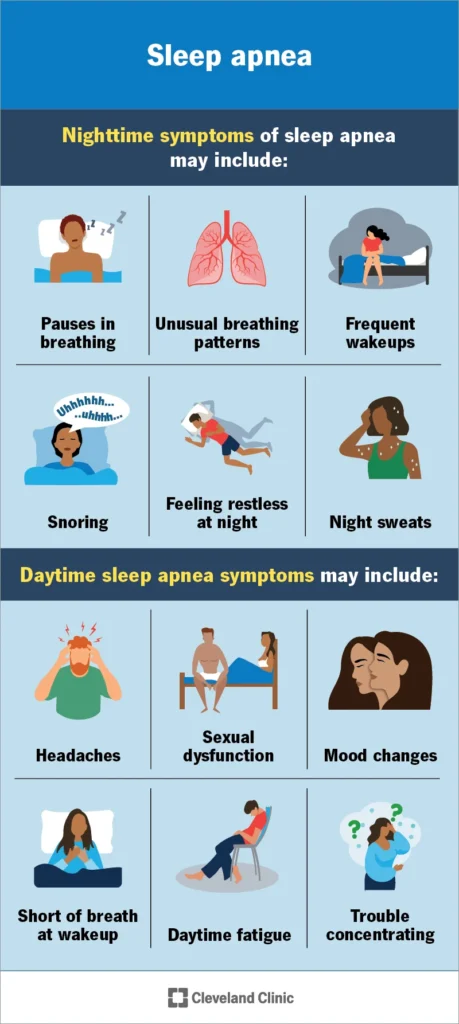
Some symptoms should move you out of “gadgets and hacks” and into medical evaluation. Don’t wait months if you have:
- Breathing pauses noticed by a partner
- Choking or gasping awakenings
- Morning headaches
- High daytime sleepiness or drowsy driving risk
- High blood pressure concerns or significant health risk factors
These can be associated with sleep-disordered breathing, including sleep apnea. A clinician can help you sort out what’s going on and which treatment fits.
How to use a mouthpiece without making it miserable
ICI basics: initial comfort matters
Initial Comfort Index (ICI) is a simple way to think about adherence: if it feels “okay” fast, you’re more likely to keep using it. If it feels awful, you’ll abandon it—even if it could have helped.
- Start on an easy night: Not your first day back from travel, not your most stressful workweek night.
- Give your mouth time: Mild drooling or awareness can happen early on. Sharp pain is not normal.
- Don’t force it: If your jaw clicks, locks, or aches, stop and consider professional guidance.
Positioning: small tweaks beat big jumps
When a mouthpiece advances the jaw, more is not always better. The goal is enough positioning to reduce snoring while keeping your jaw and teeth comfortable.
If your model is adjustable, move in small steps and track results. Use two metrics: partner feedback (or a snore app) and your morning jaw comfort.
Cleanup: keep it simple so you’ll do it
A complicated cleaning routine is a silent dealbreaker. Use a quick, repeatable approach:
- Rinse right after use.
- Brush gently with mild soap (avoid harsh toothpaste unless the manufacturer says it’s fine).
- Air-dry fully before storing.
Heat can warp some materials, so skip boiling water unless the product specifically instructs it.
FAQ: quick answers before you buy
Medical note: This article is for general education only and isn’t medical advice. It doesn’t diagnose, treat, or replace care from a qualified clinician. If you suspect sleep apnea or have severe daytime sleepiness, seek medical evaluation.
CTA: one clear next step
If your snoring is frequent and you want a practical tool that targets airflow and comfort, start by learning the mechanism and fit basics.
How do anti-snoring mouthpieces work?
Bring your partner into the loop. Treat it like a shared sleep project, not a blame game. Better nights are usually a system, not a single trick.