
Is your snoring getting worse lately?
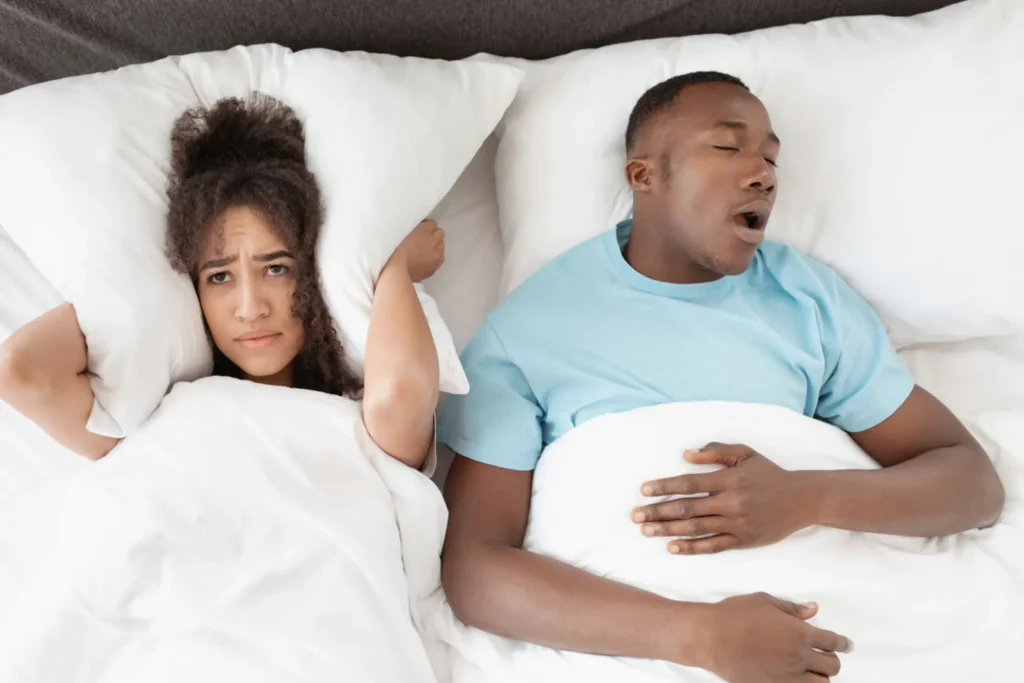
Are sleep gadgets and “quick fixes” everywhere, but your mornings still feel rough?
Do you want an anti snoring mouthpiece that’s comfortable, not a nightly fight?
Yes, snoring is having a moment. Between travel fatigue, wearable sleep scores, and the “I need eight hours or I’m useless” workplace burnout talk, people are paying attention. Add relationship humor about “separate bedrooms” and you get the same question: what actually helps without turning bedtime into a science project?
This guide stays practical. It’s a decision tree with clear “if…then…” next steps, plus the basics on comfort, positioning, and cleanup.
First: what snoring is (and why sleep quality takes the hit)
Snoring is vibration from airflow meeting resistance. That resistance can come from relaxed throat tissues, nasal congestion, sleep position, alcohol, or general sleep debt. The result is noise, but the bigger issue is fragmentation. Even if you don’t fully wake up, your sleep can become lighter and less restorative.
Also, snoring can overlap with sleep apnea. If you have loud snoring plus gasping, choking, or significant daytime sleepiness, treat that as a screening issue—not a DIY challenge.
Decision guide: If…then… pick your next move
If your snoring spikes in certain beds or after travel, then check your setup first
People love blaming the pillow. Sometimes that’s fair. Bedroom factors can nudge snoring up or down: dust, dryness, and awkward head/neck angles. Recent chatter has even pointed to “hidden” bedroom culprits and simple cooling/comfort hacks. Keep it general and actionable: clean fabrics regularly, keep the room comfortably cool, and aim for stable head support.
If you want a quick external reference on the bed-and-snoring conversation, see this related coverage: Your bed could be hiding the biggest causes of snoring, but help could be hidden in the freezer.
If your partner says you’re loudest on your back, then try positioning before buying anything
Back-sleeping often makes snoring more likely because gravity encourages tissues to relax toward the airway. If you can switch to side sleeping, many couples notice a difference fast.
Simple positioning tools can help: a supportive pillow that keeps your head neutral, or a method that discourages rolling onto your back. Keep it comfortable. If it feels like punishment, you won’t stick with it.
If your nose feels blocked at night, then fix airflow basics (or your mouthpiece won’t feel great)
Nasal congestion pushes more mouth breathing, which can worsen snoring for some people. Dry air can also irritate tissues and make you feel “stuffy” even without a cold.
Try low-drama steps: keep the room at a comfortable humidity, avoid irritants, and keep bedding clean. If congestion is persistent, consider discussing it with a clinician.
If you’re chasing sleep scores and still feel tired, then consider a screening step
Sleep trends are full of bold claims: one “night mistake,” one gadget, one hack. In real life, persistent fatigue is a signal. Don’t assume it’s just stress or a bad mattress.
If snoring pairs with morning headaches, witnessed pauses in breathing, or daytime sleepiness, ask for medical guidance. That’s especially important if symptoms are new or worsening.
If snoring is frequent and you want a tool you can actually use nightly, then an anti snoring mouthpiece is a logical next step
An anti snoring mouthpiece is popular because it’s direct and portable. It also fits modern life: hotel rooms, red-eyes, and “I have a meeting at 9” mornings. You don’t need a full tech stack on your nightstand to test whether jaw positioning helps.
To compare styles and see what to look for, review these anti snoring mouthpiece.
Mouthpiece basics people care about right now: ICI
I = Impact (what it changes)
Most mouthpieces aim to reduce airway resistance by changing jaw or tongue position. Less resistance can mean less vibration and less noise. The goal is a calmer airflow pathway, not a “forced” bite.
C = Comfort (what makes you quit)
Comfort decides compliance. If it’s bulky, rubs, or makes you dread bedtime, it won’t last a week.
- Start easy: choose a design that looks tolerable for your gag reflex and sleep style.
- Go gradual: short wear times can help you adapt before using it all night.
- Watch your jaw: mild early soreness can happen, but ongoing pain is a stop-and-reassess signal.
I = Instructions (positioning + cleanup that keeps it usable)
Positioning: a mouthpiece can work better when you also avoid back sleeping and keep your head/neck neutral. Stack wins. Don’t rely on one fix if two simple adjustments are available.
Cleanup: keep it simple and consistent. Rinse after use, clean gently, dry fully, and store it in a ventilated case. A mouthpiece that smells “off” becomes a drawer item fast.
Red flags: when snoring isn’t just snoring
- Witnessed pauses in breathing, gasping, or choking
- Severe daytime sleepiness or dozing off unintentionally
- Morning headaches or waking unrefreshed most days
- High blood pressure concerns or new/worsening symptoms
If any of these fit, get medical advice. Mouthpieces can be part of a plan, but they shouldn’t replace screening when signs point to sleep apnea.
FAQs (quick answers)
Do anti-snoring mouthpieces work for everyone?
No. They’re most promising when jaw/tongue position contributes to snoring.
How long does it take to adjust?
Often a short ramp-up helps. Comfort and fit matter more than forcing it.
Can I use one if I clench or grind?
Some people can, but comfort and jaw symptoms matter. Consider a design that’s compatible with your needs and ask a dental professional if you’re unsure.
What if I drool?
Extra saliva can happen early. It often improves as you adapt, but persistent issues may mean the style isn’t right for you.
CTA: pick the next step you’ll actually follow
If you’ve already tried basic positioning and your snoring is still a recurring problem, a mouthpiece is a practical next test. Keep the goal simple: quieter nights and more consistent sleep.
How do anti-snoring mouthpieces work?
Medical disclaimer: This article is for general information only and isn’t medical advice. Snoring can be a sign of a medical condition such as sleep apnea. If you have choking/gasping, breathing pauses, significant daytime sleepiness, chest pain, or other concerning symptoms, seek evaluation from a qualified clinician.