
Before you try an anti snoring mouthpiece, run this quick checklist:
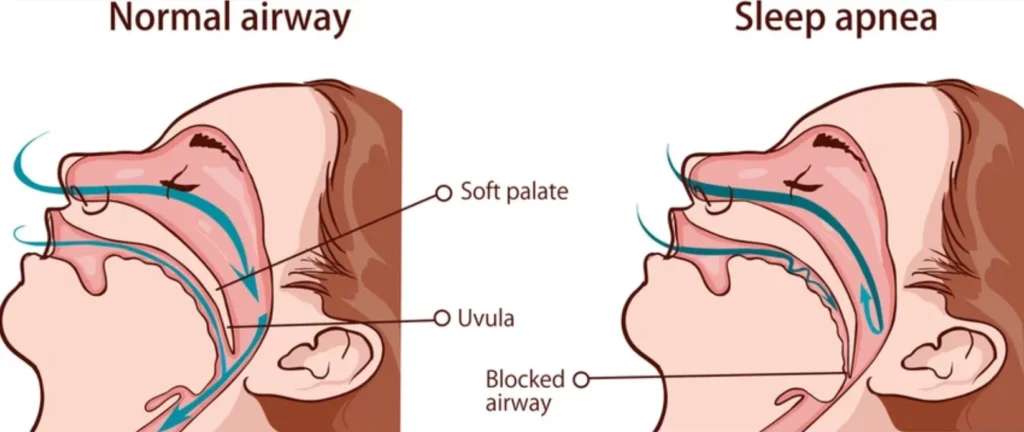
- Rule out red flags: choking/gasping, pauses in breathing, severe daytime sleepiness, or high blood pressure.
- Check the “snore zone”: pillow height, back-sleeping, nasal congestion, alcohol close to bedtime, and bedroom dryness.
- Clean what touches your face: sheets, pillowcases, and the mouthpiece itself. Don’t let “mystery funk” build up.
- Pick one change at a time: track what actually helps instead of stacking five gadgets at once.
- Document your baseline: simple notes, a snore app, or partner feedback for two weeks.
Big picture: why snoring is trending again
Snoring is having a moment, and not because it’s funny. People are buying sleep trackers, traveling more, and talking openly about burnout. When your schedule is chaotic, sleep becomes the first thing to break.
Add the modern bedroom mix—new mattresses, cooling toppers, humidifiers, white noise machines—and it’s easy to miss the basics. Some recent coverage has even joked that the “cause” might be closer to your bed than you think, with quirky home hacks floating around. Treat those as cultural context, not medical advice.
If you want a quick example of how these conversations sound right now, see this Your bed could be hiding the biggest causes of snoring, but help could be hidden in the freezer.
The human side: snoring hits relationships, confidence, and mornings
Snoring becomes a couples issue fast. One person feels judged. The other feels trapped in a nightly soundscape they didn’t consent to. The jokes about “sleep divorce” land because they’re real.
It also shows up at work. Poor sleep can make you short-tempered, foggy, and overly reliant on caffeine. That’s a bad mix during high-pressure weeks, especially when travel fatigue or late-night scrolling is already stealing recovery time.
The goal isn’t “never snore again.” The goal is better sleep quality and fewer disruptions for everyone in the room.
Practical steps: fix the room, then consider the mouthpiece
Step 1: Remove common bedroom triggers (the boring stuff that works)
Start with what you can control tonight. These changes are low-cost and low-risk.
- Pillow and position: Many people snore more on their back. Side-sleeping and a supportive pillow can reduce vibration for some sleepers.
- Dry air and congestion: If you wake with a dry mouth, consider humidity and hydration habits. If congestion is frequent, treat the cause appropriately.
- Alcohol timing: Alcohol close to bedtime can worsen snoring for some people by relaxing airway muscles.
- Bedroom hygiene: Wash bedding regularly. Replace pillows on schedule. Dust and allergens can contribute to nighttime congestion.
Step 2: Know what an anti snoring mouthpiece is (and isn’t)
An anti-snoring mouthpiece is typically designed to change jaw or tongue position during sleep. The point is to help keep the airway more open so soft tissues vibrate less. It’s a mechanical approach, not a “sleep gadget” in the app sense.
It’s also not a cure-all. If your snoring is driven by anatomy, congestion, alcohol, or an underlying sleep breathing disorder, a mouthpiece may help, may do nothing, or may be the wrong tool.
If you’re comparing options, start here: anti snoring mouthpiece.
Step 3: Make your trial measurable (so you don’t waste a month)
Most people test products emotionally: “I think it helped?” Don’t do that. Use a simple two-week log.
- Nightly notes: bedtime, alcohol, congestion, sleep position, and whether you used the mouthpiece.
- Outcome: partner rating (0–10), your morning dryness, and daytime sleepiness.
- One variable at a time: If you change the pillow and start a mouthpiece the same week, you’ll never know what worked.
Safety and screening: reduce risks and avoid the wrong problem
Screen for sleep apnea risk (don’t guess)
Snoring can be harmless, but it can also be linked to sleep apnea. If you have loud snoring plus choking/gasping, witnessed pauses, morning headaches, or significant daytime sleepiness, get evaluated. This matters for health and for documentation if you ever need formal records for work, travel safety, or benefits.
Dental and jaw safety: the part people skip
Mouthpieces can cause issues if the fit is off or if you force adaptation. Watch for jaw soreness that doesn’t fade, tooth discomfort, gum irritation, or bite changes. If any of that shows up, stop and get advice from a dental professional.
Also keep it clean. Rinse after use, follow manufacturer cleaning instructions, and store it dry. A dirty device can irritate tissues and create avoidable problems.
Reality check on “viral hacks” and new devices
Sleep tech is moving fast, and you’ll see headlines about new anti-snoring devices entering trials or trending online. That’s interesting, but it doesn’t replace proven safety steps: screening, fit, and consistent tracking. If a hack sounds like a shortcut, treat it like one.
FAQ: quick answers people want before buying
Do anti-snoring mouthpieces work for everyone?
No. They can help some people, especially when snoring relates to jaw or tongue position, but results vary by cause.
What’s the difference between a mouthguard and an anti-snoring mouthpiece?
A sports mouthguard protects teeth. An anti-snoring mouthpiece aims to reduce snoring by changing airflow mechanics during sleep.
Is loud snoring always sleep apnea?
No, but it can be a sign. If you have pauses in breathing or significant daytime sleepiness, get screened.
How long does it take to adjust?
Often several nights to a few weeks. Start gradually and follow the product’s fitting instructions.
When should I stop using one?
Stop if you develop persistent jaw pain, tooth movement, gum injury, or worsening sleep symptoms.
CTA: take the next step without overcomplicating it
If snoring is hurting your sleep quality, pick a simple plan: fix obvious bedroom triggers, track results, and trial a mouthpiece with safety in mind. Keep notes. If red flags show up, get evaluated instead of doubling down on gadgets.
How do anti-snoring mouthpieces work?
Medical disclaimer: This article is for general education only and isn’t medical advice. It doesn’t diagnose or treat any condition. If you suspect sleep apnea, have severe symptoms, or have dental/TMJ concerns, consult a qualified clinician.