
- Snoring is a sleep-quality problem, not just a noise problem.
- Burnout and travel fatigue can make snoring feel louder and sleep feel lighter.
- An anti snoring mouthpiece can help when jaw position narrows the airway.
- Relationship tension is common; the fix often starts with a calm, practical conversation.
- If sleep apnea is on the table, a mouthpiece is not a substitute for medical care.
Big picture: why snoring is everywhere right now
Sleep is having a moment. People are buying trackers, trying “sleep tourism,” and comparing bedtime routines like they compare coffee orders. At the same time, workplace stress and always-on schedules push many nights into the “just get through it” category.
Snoring becomes the soundtrack to that pressure. One person can’t stay asleep, the other feels blamed, and both wake up foggy. That’s why mouthpieces and other sleep gadgets keep trending in reviews and roundups.
There’s also growing awareness that snoring can overlap with bigger health conversations. If you’ve seen articles about sleep apnea definitions or even benefit-related guides, you’ve seen the broader point: breathing at night matters, and documentation and testing can matter too. For a general reference point, see this Sleep Apnea VA Rating Guide: How to Get 50% or Higher.
Emotional reality: the “snore tax” on relationships
Snoring rarely stays funny. At first it’s a joke about “chainsaws.” Then it turns into separate bedrooms, resentment, or a nightly debate at 1:30 a.m.
Keep the frame simple: this is a shared sleep problem. Nobody is choosing to snore, and nobody is choosing to be irritated at 3 a.m. A plan lowers the temperature.
A quick script that helps
Try: “I miss sleeping next to you. Can we test a few options for two weeks and see what actually changes?” That one sentence replaces blame with a timeline and a goal.
Practical steps: where an anti snoring mouthpiece can help
Snoring often shows up when airflow gets turbulent. For many people, that happens when the jaw drops back during sleep, especially on the back. A mouthpiece may help by holding the lower jaw in a position that keeps the airway more open.
What people are shopping for (and why)
Recent product chatter tends to focus on comfort, adjustability, and whether the device feels “worth it” after a week. That’s the right lens. A mouthpiece that sits in a drawer doesn’t improve sleep quality.
If you want a bundled option that targets both jaw position and mouth-breathing habits, look at this anti snoring mouthpiece.
Two-week “quiet sleep” trial (simple and measurable)
Night 1–3: Focus on fit and comfort. Expect some drooling or oddness early on. That doesn’t mean it failed. It means your mouth is adapting.
Night 4–10: Track outcomes. Use a basic note: bedtime, wake-ups, partner rating (0–10), and how you feel at 2 p.m. The afternoon slump is a useful signal.
Night 11–14: Make one change at a time. If snoring improves but sleep still feels thin, test side-sleeping support, alcohol timing, or bedroom temperature. Don’t change five variables at once.
Small habits that pair well with mouthpieces
These are the boring wins that show up in real life, especially after travel or long work weeks:
- Side-sleep bias: a pillow setup that discourages back sleeping can reduce snoring for some people.
- Alcohol timing: earlier is usually better than “right before bed,” since relaxation can worsen airway collapse.
- Nasal comfort: if you’re congested, address it with clinician-approved options; don’t just force mouth-breathing through a rough night.
Safety and testing: when to think beyond gadgets
Mouthpieces are not one-size-fits-all. If you have jaw pain, loose dental work, significant gum disease, or a history of TMJ problems, proceed carefully and consider dental guidance.
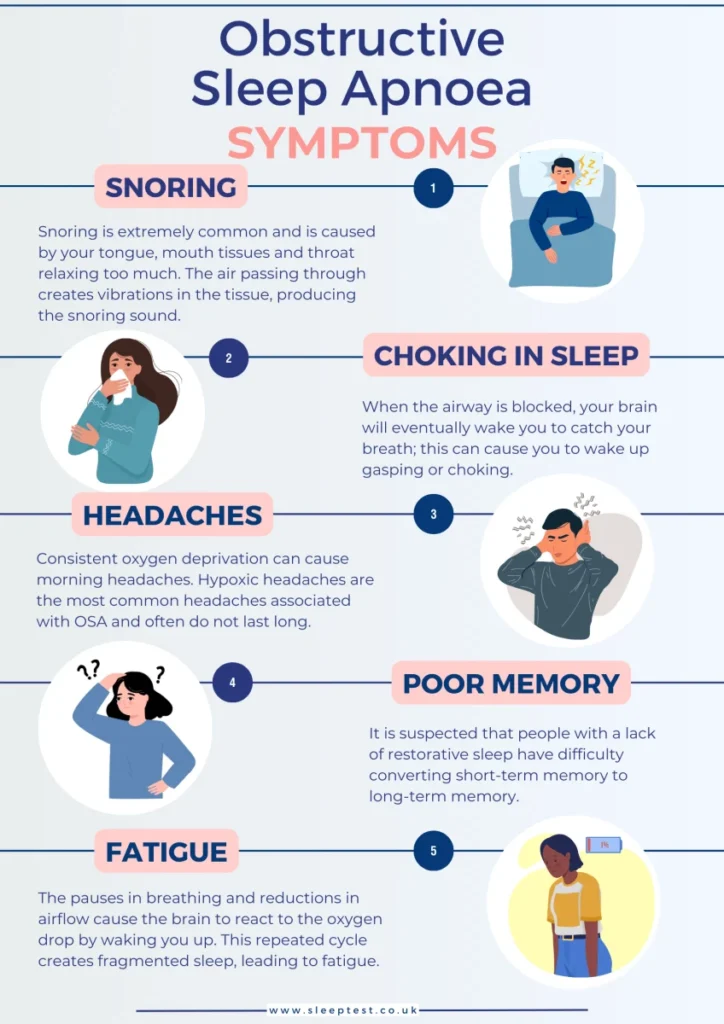
More importantly, snoring can be a sign of sleep apnea for some people. Consider medical evaluation if any of these are true:
- Breathing pauses witnessed by a partner
- Choking or gasping during sleep
- Morning headaches or dry mouth plus heavy daytime sleepiness
- High blood pressure or cardiometabolic concerns alongside loud snoring
In those cases, testing can clarify what’s going on. It also keeps you from chasing the wrong fix.
Medical disclaimer
This article is for general education only and is not medical advice. It does not diagnose, treat, or replace care from a licensed clinician. If you suspect sleep apnea or have severe symptoms, seek medical evaluation.
FAQ
Do anti-snoring mouthpieces work for everyone?
No. They often help with simple snoring, especially when jaw position plays a role, but they may not help if snoring is driven by untreated sleep apnea or severe nasal blockage.
How fast should an anti snoring mouthpiece help?
Many people notice a change within a few nights. Comfort and fit can take 1–2 weeks to settle as you adjust and fine-tune placement.
Can snoring be a sign of sleep apnea?
Yes. Loud, frequent snoring plus choking/gasping, witnessed breathing pauses, or heavy daytime sleepiness can point to sleep apnea and deserves medical evaluation.
Is a mouthpiece the same as a CPAP?
No. CPAP is a medical therapy for sleep apnea that delivers air pressure. Mouthpieces reposition the jaw or tongue and are typically used for snoring or select cases under clinician guidance.
What if my partner says the mouthpiece is “still not enough”?
Treat it like a shared problem, not a personal flaw. Track snoring, try side-sleeping and alcohol timing changes, and consider an evaluation if symptoms suggest sleep apnea.
CTA: turn “we’ll deal with it later” into a plan
If snoring is creating nightly friction, don’t wait for another exhausted week to pile up. Start with one measurable change and give it two weeks.