
Is your snoring getting louder, or are you just noticing it more?
Are sleep gadgets and “viral” sleep hacks helping… or just taking your money?
Is an anti snoring mouthpiece a real fix, or another drawer purchase?
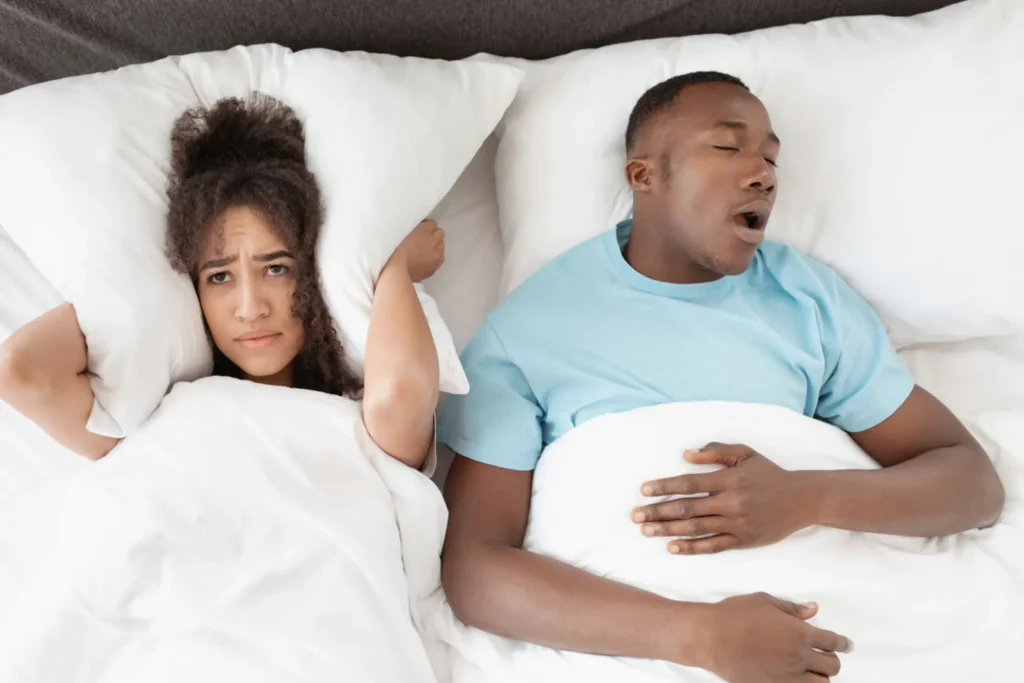
Here’s the direct answer: snoring is having a moment because people are exhausted. Between travel fatigue, night shifts, and workplace burnout, everyone is chasing deeper sleep. Mouthpieces can help the right kind of snoring, and you can test the basics at home without burning a month’s budget.
What people are talking about right now (and why)
Sleep advice is trending again, but the tone has shifted. It’s less “perfect your routine” and more “make sleep workable.” That’s why you’re seeing renewed interest in simple, repeatable habits, plus practical tools that don’t require a full bedroom overhaul.
Also, snoring is a relationship topic. It’s the punchline in group chats and the reason someone “mysteriously” starts sleeping with a pillow wall. When the joke turns into chronic sleep loss, people start searching for solutions that are faster than booking a dozen appointments.
If you want a quick scan of mainstream coverage, look at These Are the Sleep Tips Experts (And Science!) Actually Back. The common thread: do the basics well, then add tools that match your specific problem.
What matters for sleep health (not just noise)
Snoring isn’t only annoying. It can fragment sleep for the snorer and the person next to them. That means lighter sleep, more wake-ups, and a groggy morning even when you “got enough hours.”
Snoring often happens when tissues in the airway vibrate as air moves through. A few common drivers show up again and again:
- Jaw position: the lower jaw falls back during sleep, narrowing the airway.
- Mouth breathing: often linked to jaw drop and dry mouth.
- Nasal congestion: allergies, colds, or chronic blockage can push you into mouth breathing.
- Alcohol or sedating meds at night: can relax airway muscles more than usual.
- Sleep deprivation: yes, being overtired can make snoring worse by changing muscle tone.
Important: snoring can also be associated with obstructive sleep apnea (OSA), which is a medical condition. You can’t diagnose that at home with a gadget. If you suspect it, get evaluated.
How to try this at home (without wasting a cycle)
Think “cheap tests first, then targeted gear.” You’re trying to learn what type of snoring you have.
Step 1: Run a 3-night baseline
Pick three typical nights. Track: bedtime, wake time, alcohol (yes/no), congestion (yes/no), and how you feel in the morning. If possible, record snoring with a phone app so you’re not guessing.
Step 2: Try the easiest variables
- Side-sleep setup: a body pillow or backpack-style “don’t roll onto your back” hack.
- Nasal support: saline rinse or a shower before bed; consider nasal strips if you’re stuffy.
- Cut the late-night relaxants: avoid alcohol close to bedtime for a few nights and compare.
- Travel fatigue reset: after flights or hotel stays, prioritize hydration and a consistent sleep window.
Step 3: If jaw position looks like the culprit, test an anti snoring mouthpiece
An anti snoring mouthpiece (often a mandibular advancement device) aims to keep the lower jaw slightly forward. That can reduce airway narrowing for some people. The goal is less vibration, steadier breathing, and fewer micro-awakenings.
Budget lens: don’t overbuy. Start with a product that matches your likely pattern (jaw drop, mouth breathing, partner reports loud snoring on your back). If you also struggle to keep your mouth closed, a combo approach can be useful.
Example option to review: anti snoring mouthpiece.
Step 4: Fit and comfort rules (so you actually use it)
- Go gradual: wear it for short periods before sleep to get used to it.
- Watch for red flags: sharp pain, ongoing jaw locking, or bite changes that don’t fade.
- Re-check results: compare recordings and morning energy after 7–14 nights.
When to stop DIY and get help
Don’t “power through” if symptoms suggest something bigger than simple snoring. Seek medical advice if you notice:
- Pauses in breathing, choking, or gasping during sleep
- Severe daytime sleepiness, morning headaches, or concentration problems
- High blood pressure concerns, heart risk concerns, or worsening symptoms despite changes
- Persistent jaw pain, tooth pain, or bite changes from a mouthpiece
If you work nights or rotate shifts, get extra serious about evaluation. Shift work can wreck sleep quality even when you do everything “right.” A clinician can help you sort schedule issues from breathing issues.
FAQ
Do anti-snoring mouthpieces work for everyone?
No. They tend to help when snoring is related to jaw position and mouth breathing, but they may not help if snoring is driven by nasal blockage or untreated sleep apnea.
How fast should an anti-snoring mouthpiece help?
Many people notice a change within a few nights, but fit and comfort can take a week or two to dial in. If symptoms worsen or you can’t tolerate it, stop and reassess.
Is loud snoring always a sign of sleep apnea?
Not always, but it can be. If there are pauses in breathing, choking/gasping, or heavy daytime sleepiness, get evaluated.
Can night shift workers use a mouthpiece?
Yes, but consistency matters. Pair it with a stable sleep window, a dark room, and a wind-down routine to improve overall sleep quality.
What are common side effects of mouthpieces?
Jaw soreness, tooth discomfort, drooling, dry mouth, and bite changes can happen. Persistent pain or bite shift is a reason to stop and talk to a dental professional.
CTA: make the next step simple
If you’re ready to test a practical solution (not a full gadget ecosystem), start with the question that matters:
How do anti-snoring mouthpieces work?
Medical disclaimer: This article is for general education and does not provide medical advice, diagnosis, or treatment. If you suspect sleep apnea, have cardiovascular concerns, or develop jaw/tooth pain with an oral device, consult a qualified clinician or dental professional.